Counting the waves…
Counting the waves…
A refined fusion of water purity, environmental stability, and communal vibrancy for Plage de Vana.
View MethodologyAnalyzed via live sensors and environmental data.
Wave height, wind, and atmospheric stability.
Live footfall and crowd balance metrics.
Community reviews and curated sentiment.
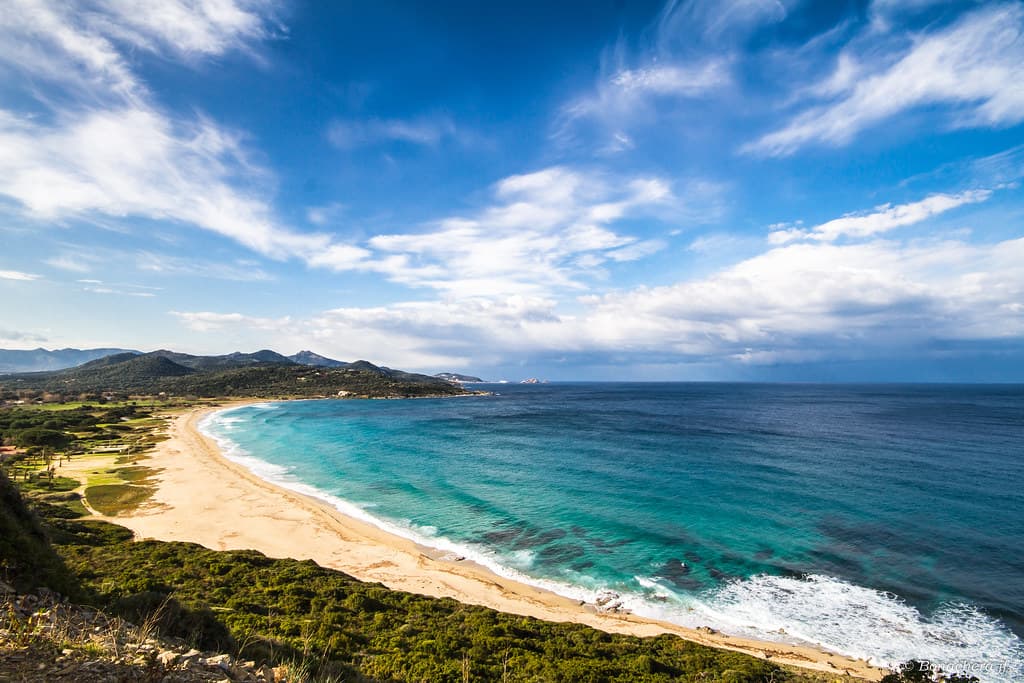
“You'll find Plage de Vana where the coastal road bends inland, a sweep of ivory sand framed by wild rosemary and granite. The tide pulls gently here, leaving shallow pools warm enough for barefoot wandering.”
Limited recent visitor reports — live OBI telemetry is your best guide for current conditions.
The sand at Plage de Vana compresses under your soles with a satisfying give, fine-grained and almost white where the water hasn't darkened it. Tufts of oyat grass shiver on the low dunes behind you, anchoring the scrubland that gives way to macchia-covered hills. Families spread checked blankets near the southern end, where the beach tapers into smooth pebbles and the shade of wind-bent pines offers midday refuge.
The water deepens slowly, turquoise shifting to cobalt as you wade past the sandbar that emerges at low tide. By afternoon, a breeze funnels down the valley, cooling your shoulders and carrying the scent of myrtle from the hillside. A handful of locals arrive after work, parking along the verge and walking down with fishing rods and coolers.
 Credit: Unsplash
people on beach during daytime
 Credit: Unsplash
a group of people on a beach
Wide sand, few umbrellas
Gradual slope, warm pools
Dune paths into scrubland
Prime Visitation
Best Weather|Less Crowds
Where it is
Plage de Vana
Palasca, Haute-Corse, France
42.663400°, 9.031300°
Weather
Loading…
Swell
—
Temp
Warm · Restorative
UV Index
Moderate
Wind
—
Tidal State
Last known
Max Sunlight
—
Ideal Shade
—
May - Sep (Peak)
Jan - Dec (Off-season)
Best Weather|Less Crowds
Select a category to load nearby places.
Unlock restaurants, luxury stays and curated maritime experiences within 2km
Swimming safety at Plage de Vana depends on weather and sea conditions, which can vary significantly. The beach's location along the eastern Balagne coast means it can experience wind and waves, particularly during afternoon sea breezes or weather changes. There are typically no lifeguards at this less-developed beach, so swimmers should be confident and assess conditions carefully. The sandy bottom is generally swimmer-friendly, but currents can develop. Always check local weather forecasts, avoid swimming alone, and stay close to shore if conditions seem uncertain.
The best time to visit Plage de Vana is during late spring (May-June) or early autumn (September) when weather remains pleasant but crowds are minimal. Summer months offer warmest water and reliable sunshine, though July and August bring more visitors even to this hidden beach. Morning visits typically provide calmer seas and softer light. The beach's low-key nature means it never gets overwhelmingly crowded, making it suitable for peaceful visits throughout the swimming season. Off-season, the beach offers beautiful coastal walks and dramatic scenery.
Reaching Plage de Vana requires a car, as it's located between the better-known Lozari and Ostriconi beaches along the eastern Balagne coast. From the main coastal road (D81), look for signs toward Palasca or local beach access points. Parking may be informal or limited near the beach access. The final approach might involve a short walk or unpaved track. Given its hidden nature, GPS coordinates or detailed local directions are helpful. The beach's remote character means public transport options are extremely limited, making personal or rental vehicles essential.
Plage de Vana is a low-key, undeveloped beach with minimal or no facilities on-site. Visitors should come prepared with food, water, sun protection, and any beach equipment they need. There are no restaurants or beach clubs directly at this location. The nearest amenities are in the village of Palasca or at nearby beaches like Lozari. This lack of development is part of the beach's appeal for those seeking natural, peaceful surroundings. Plan to bring everything you need and pack out all trash to preserve the beach's pristine character.
Plage de Vana offers visitors seeking solitude an alternative to the busier (though still beautiful) Lozari and Ostriconi beaches. Its hidden nature and lack of facilities mean fewer crowds and a more undisturbed natural experience. The beach provides similar scenic Balagne coastline beauty with sandy shores and clear waters, but with greater tranquility. It's ideal for travelers who prioritize peaceful surroundings over amenities and don't mind minimal infrastructure. The beach rewards those willing to venture slightly off the beaten path with an authentic, uncommercialized coastal experience.
Photos