Counting the waves…
Counting the waves…
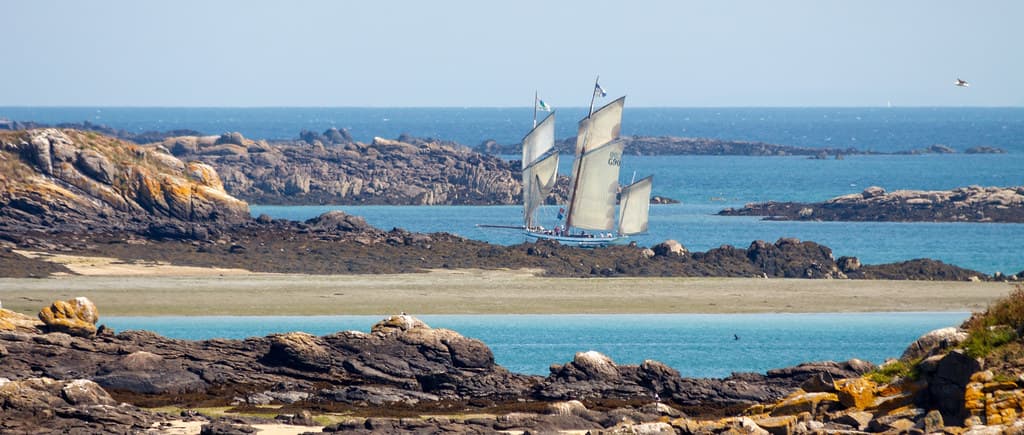
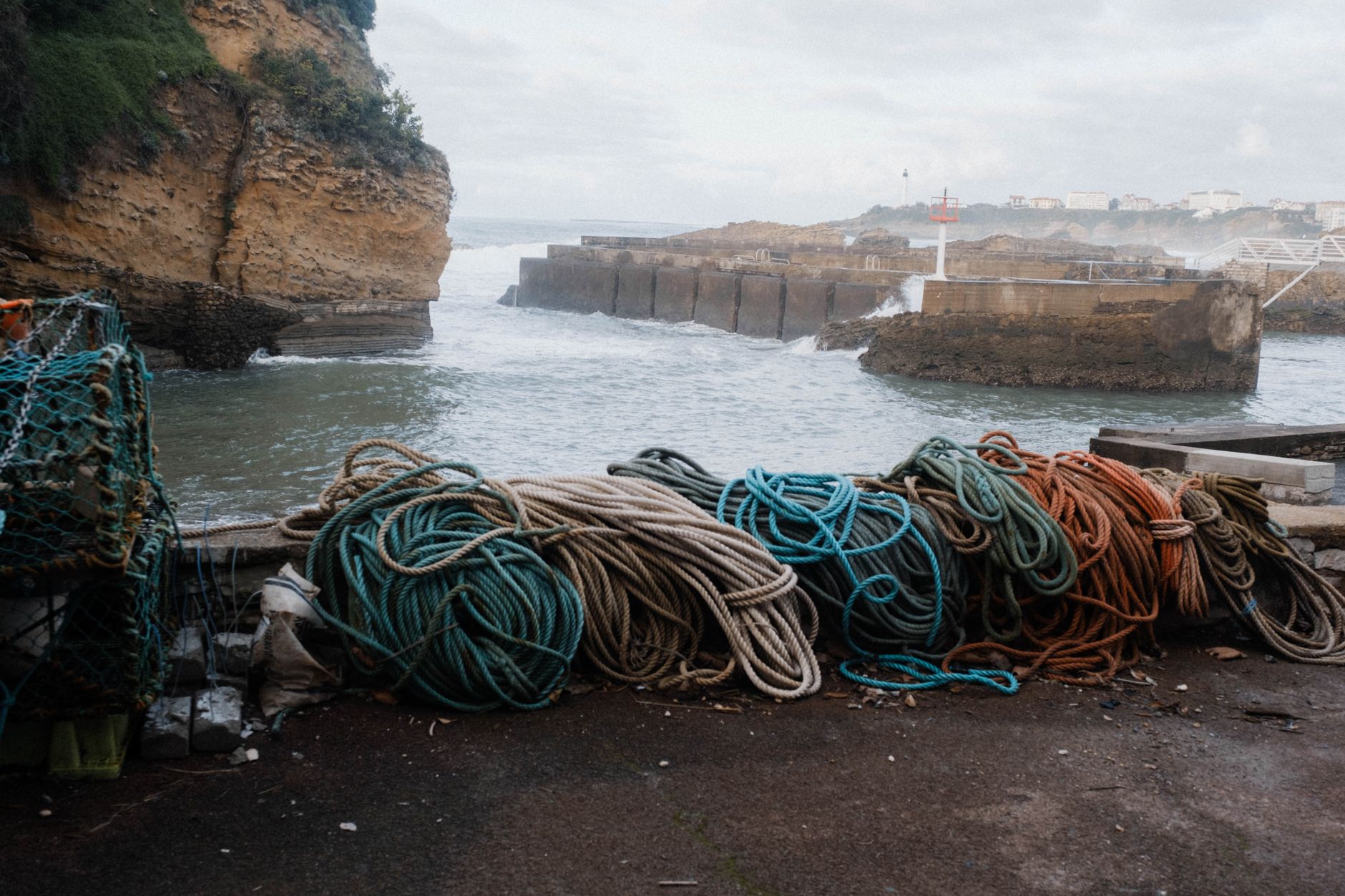
Port-Marie is not a destination; it is a portal. The beach arcs along the eastern shore of Grande Île, sheltered by the stone ramparts of an 18th-century fort and flanked by fishermen's cottages whose blue shutters fade under salt wind. When the ferry from Granville cuts its engine and nudges the slipway, you disembark directly onto sand that shifts from ash-blond to pewter depending on cloud cover. Families spread checked blankets near the tide line while day-trippers shoulder daypacks and head inland, but the wise linger here—because Port-Marie reveals the essential character of Chausey before the archipelago splinters into a hundred unnamed islets. The water is cold year-round, bracing even in July, and the beach itself is workmanlike: no palms, no beach clubs, no illusions. Granite boulders jut from the northern end, slick with bladderwrack. At low tide the strand doubles in width, exposing ribbed sand and tidal pools where crabs scuttle. Gulls argue over mussel shells. The smell is iodine and diesel and drying nets. What makes Port-Marie essential is its honesty. It does not pretend to be anything other than what Norman island beaches have always been—a place where the sea delivers you, and where you pause to decide whether to stay or keep moving. Most visitors choose the latter. You should choose the former, at least long enough to watch the ferry chug back toward the mainland and feel the archipelago close around you like a fist.
Places, rentals, tours and events within walking and driving distance of Plage de Port-Marie.
Photos
Swimming at Plage de Port-Marie is generally safe during calm weather, but the Chausey Islands experience strong tidal currents and significant tidal ranges—among Europe's largest. Always check tide times before swimming, as water depth and beach area change dramatically. Avoid swimming during high tides or rough seas. There are no lifeguards on duty, so supervise children closely. The beach's sheltered position within the archipelago offers some protection, but remain cautious of currents between islands and never swim alone in this remote island location.
Late spring through early autumn (May to September) offers the most reliable weather and regular boat service to the Chausey Islands. July and August provide warmest temperatures but attract larger crowds. For a quieter experience with mild weather, visit in June or September. The beach is accessible year-round, though winter ferry schedules are limited. Sunset views are spectacular throughout the year. Check tide schedules regardless of season, as extreme tides significantly affect the beach landscape and your exploration time on the islands.
Plage de Port-Marie is only accessible by boat from Granville. Regular ferries depart from Granville's harbour, typically taking 50 minutes to reach Grande Île, the main Chausey island. Park your car in Granville—public parking is available near the port and in town. Book ferry tickets in advance during peak season, as spaces are limited. Once on Grande Île, Plage de Port-Marie is a short walk from the landing point. Day-trip schedules allow several hours on the island before return departure.
The Chausey Islands have very limited facilities. The only accommodation is the Hôtel du Fort et des Îles on Grande Île, which also operates a restaurant—booking well ahead is essential. A few seasonal snack bars may open during summer. Most visitors bring picnic supplies from Granville, as options are minimal. No shops exist on the islands. For more dining and lodging choices, stay in Granville and visit Plage de Port-Marie as a day trip, which is how most travellers experience this remote beach.
The Chausey Islands experience some of Europe's most extreme tides, with ranges exceeding 14 meters during spring tides. At low tide, vast expanses of sand and rocky seabed are exposed, dramatically transforming the landscape and revealing hundreds of small islets. The beach area itself changes significantly, creating extensive tidal pools and walking opportunities. This tidal phenomenon is a major attraction—plan your visit around tide schedules to witness this remarkable transformation and explore the expanded shoreline safely before waters return.