Counting the waves…
Counting the waves…
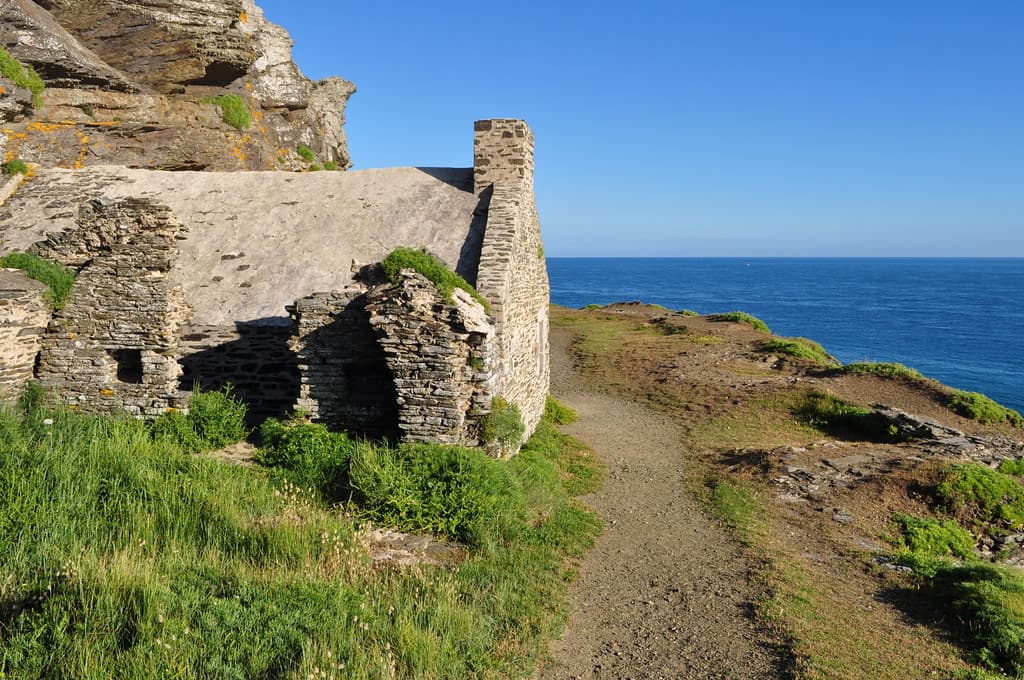
Quinéville's beach unfolds in broad, unhurried strokes along the Cotentin Peninsula's eastern shore, a place where the fury of 1944 has long given way to the gentle pleasures of sun, sand, and the kind of uncomplicated seaside afternoons that define the Norman coast. You arrive to find miles of fine blonde sand interrupted only by scattered dark rocks and the occasional timber groyne, the water retreating so far at low tide that you can walk what feels like halfway to England. The beach serves the small resort village behind it with quiet efficiency: families spread picnic blankets in the shelter of dunes topped with marram grass, older couples claim folding chairs near the tideline, and teenagers practice their best nonchalance while wading through ankle-deep water. The seafront promenade, lined with modest villas and the occasional crêperie, maintains the unhurried dignity of a resort that peaked somewhere around 1960 and decided it rather liked it there. As afternoon softens into evening, the western light turns the wet sand into hammered bronze, and you understand why locals return here season after season. This isn't Biarritz or Saint-Tropez—Quinéville asks nothing of you but that you shed your shoes, breathe the iodine-scented air, and remember that the best beaches are often those that refuse to perform.
Places, rentals, tours and events within walking and driving distance of Plage de Quinéville.
Photos
Plage de Quinéville is generally considered family-friendly with its long stretch of sandy beach and shallow waters at low tide. However, the English Channel's tidal range here is significant, so always check tide times before swimming. The beach is unsupervised in many sections, so extra caution is needed with children. Currents can strengthen during incoming tides. The gentle slope makes it ideal for paddling and beach games. As with all Normandy beaches, be mindful of changing weather conditions and never swim during storms or rough seas.
Plage de Quinéville is accessible year-round, with each season offering different appeal. Summer (June-August) brings warmest weather and water temperatures around 17-19°C, ideal for swimming and sunbathing. Spring and autumn offer quieter visits with pleasant temperatures for beach walks and sunset viewing. Winter can be dramatic with storm watching opportunities but requires warm clothing. The beach faces east, making it perfect for sunrise rather than sunset views. Low season visits mean fewer crowds and easier parking, while July-August attracts the most visitors.
Plage de Quinéville is located along the D421 coastal road on the Cotentin Peninsula in Normandy. By car from Cherbourg, it's about 40 minutes south; from Caen, roughly 90 minutes north via the N13. The beach has several parking areas along the seafront, including free spots near the main access points. Parking is generally abundant except during peak summer weekends. Public transport is limited; the nearest train station is in Carentan, about 15km away, requiring a taxi or car rental to reach the beach.
Quinéville village offers basic amenities including small shops, bakeries, and a few cafés and restaurants serving traditional Norman cuisine, particularly seafood and local specialties. The beachfront has limited facilities, so bring supplies for a beach day. Accommodation options include several vacation rentals, gîtes, and small hotels in Quinéville and surrounding villages. For more extensive dining and shopping, nearby towns like Saint-Vaast-la-Hougue (20 minutes north) offer broader choices. A small museum dedicated to D-Day history is located just behind the beach, reflecting the area's wartime heritage.
Plage de Quinéville was part of Utah Beach sector during the D-Day landings, and significant wartime remnants remain visible today. A well-preserved German bunker sits directly on the beach and houses the Musée de la Liberté, documenting daily life during the Occupation and Liberation. Additional concrete fortifications from the Atlantic Wall are scattered along the shoreline. The museum provides excellent context for understanding the beach's strategic importance in June 1944. This combination of beautiful seaside setting and poignant historical significance makes Quinéville unique among Normandy beaches for history enthusiasts.