Counting the waves…
Counting the waves…

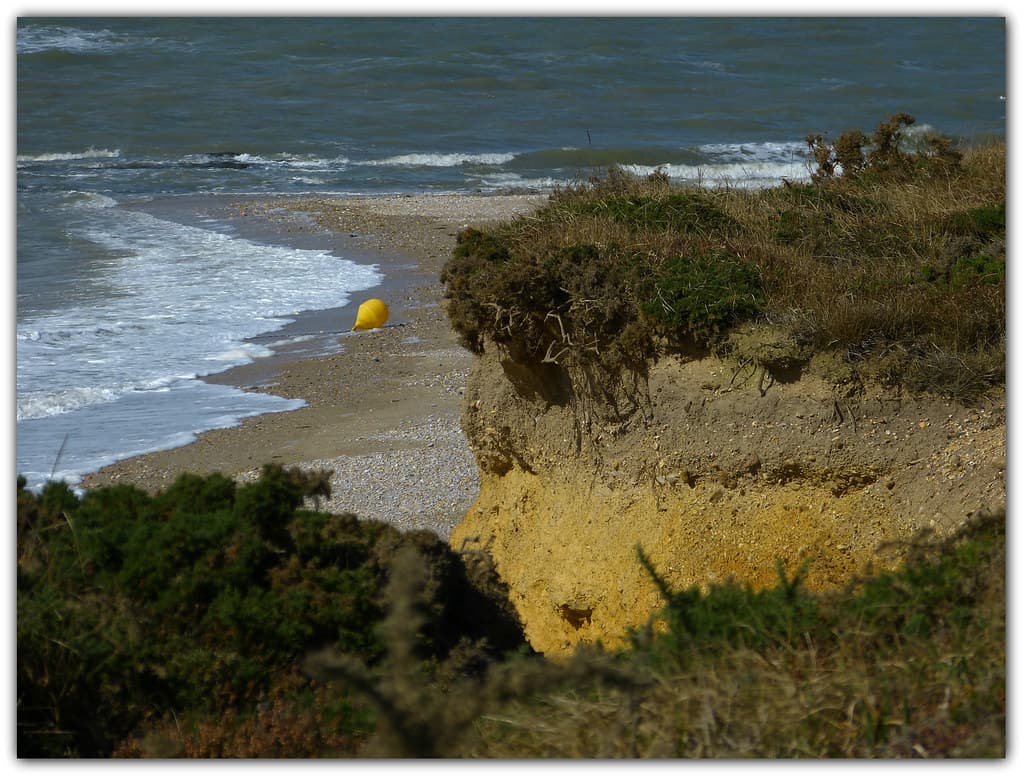
The beach reveals itself in stages. First, the crunch of crushed shell beneath your sandals. Then the scatter of granite boulders—some table-flat, others rounded smooth by centuries of tides—that divide the strand into intimate pockets. Children crouch beside tide pools trapped in the rock hollows, nets poised over translucent shrimp darting through ribbons of kelp. Unlike its neighbor beaches hemmed by dunes, Palandrin opens directly onto a wide tidal plain where the Vilaine River mingles with Atlantic swells. At low water, the sand extends in ribbed patterns far enough that you'll need binoculars to spot the waders stalking the shallows. The sailing boats anchored offshore lean on their keels, waiting. By afternoon, returning tides bring a brisk chop that slaps against the sea wall, sending up salt spray that tastes of iodine and summer. You'll find no beach clubs or parasol grids here—just a small parking area behind the dunes and a footpath worn smooth by generations of Pénestinois. Local families arrive with coolers and canvas chairs, staking their spots by mid-morning. As the light softens toward evening, couples appear for the sunset, when the westward sky ignites in copper and the moored boats become black silhouettes against the afterglow.
Places, rentals, tours and events within walking and driving distance of Plage du Palandrin.
Photos
Plage du Palandrin is generally family-friendly with calmer waters compared to ocean-facing beaches, as it sits along the Vilaine estuary. However, swimming conditions vary with tides, which can be significant in this area. There's no lifeguard supervision, so always watch children carefully. Check tide times before visiting, as the beach can transform dramatically between high and low tide. The sandy bottom and gradual slope make it suitable for families, but exercise caution during strong currents or windy conditions. Local tide tables are available at tourist offices in Pénestin.
Plage du Palandrin is accessible year-round, with each season offering different appeal. Summer (June-August) brings warmest weather for swimming and sunbathing, though it's less crowded than Pénestin's main beach. Spring and autumn offer pleasant temperatures for coastal walks and birdwatching along the estuary. The beach is particularly popular for sunset viewing, as it faces west across the Vilaine. Visit during low tide to explore tidal pools and enjoy maximum beach space. Winter visits appeal to those seeking peaceful coastal scenery and dramatic skies, though amenities may be limited off-season.
Plage du Palandrin is located in Pénestin, approximately 30 minutes from La Baule and 20 minutes from La Roche-Bernard. By car, follow signs to Pénestin village, then look for specific beach signage. Free parking is available near the beach access, though spaces can fill during peak summer periods. The beach is less developed than Plage de la Mine d'Or, with a more natural setting. No direct public transport serves this beach, so a car is recommended. The parking area is a short walk from the sand via a coastal path.
Plage du Palandrin has limited on-site amenities, reflecting its quieter, more natural character. You'll find restaurants, bakeries, and small supermarkets in Pénestin village centre, roughly 2-3 kilometres away. For a wider selection of dining and shopping, head to nearby towns like Camoël or Piriac-sur-Mer. It's advisable to bring food, drinks, and beach supplies with you. Accommodation options in Pénestin include campsites, holiday rentals, and small hotels, mostly located near the main beach area or inland. Plan ahead during summer, as this coastal area attracts many French holidaymakers.
Plage du Palandrin offers a quieter, less commercialized alternative to Pénestin's more famous Plage de la Mine d'Or. Its location along the Vilaine estuary rather than the open Atlantic creates different landscape character and generally calmer waters. The beach provides excellent sunset views across the water and attracts fewer crowds, making it ideal for peaceful family outings or romantic evening walks. Its natural setting, with dunes and coastal vegetation, appeals to visitors seeking tranquility. The tidal variations create an ever-changing shoreline, revealing extensive sand flats at low tide perfect for exploration and beachcombing.