Counting the waves…
Counting the waves…

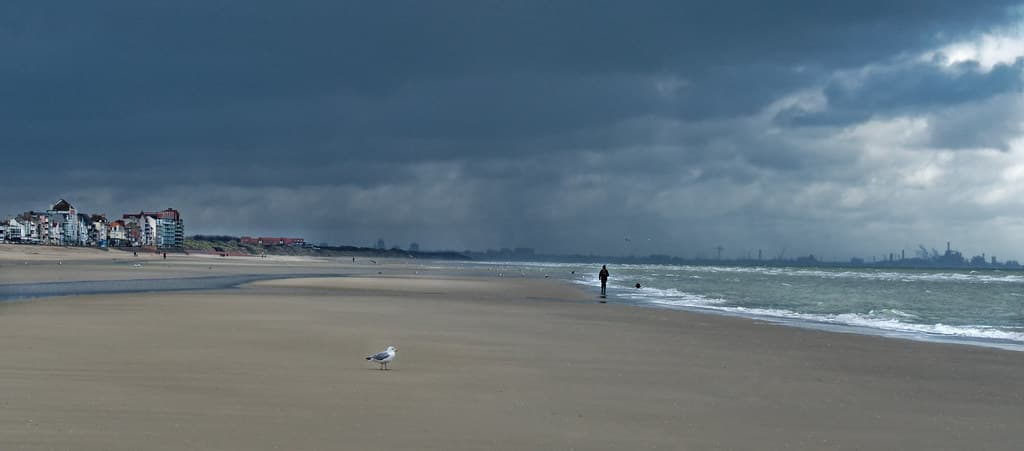
The promenade stretches before you like a turn-of-the-century postcard brought to vivid life—Belle Époque villas shoulder to shoulder in brick and white trim, their ornate facades watching over a beach that has absorbed the laughter of generations. Dunkerque's essential city beach wears its history lightly: you walk where British soldiers once queued for evacuation, but today the only urgency belongs to children racing the incoming tide and kite-surfers rigging their gear in the persistent wind that shapes this coast. The sand here runs wide and flat, interrupted only by wooden groynes that march toward the horizon at precise intervals. When the tide retreats—and it retreats far—you can walk what feels like halfway to England across the firm, wave-rippled expanse. The beach clubs open their shutters year-round, serving steaming bowls of waterzooi and local Grain d'Orge beer to wind-chapped visitors who refuse to let weather dictate their coastal hours. You'll notice the locals' rhythms quickly: the morning dog walkers before breakfast, the midday families claiming their patch near the playground, the evening strollers who time their route to catch the sun dropping behind the lighthouse. The beach changes character with the light—pewter and moody at dawn, almost Mediterranean when rare sunshine floods the cabins, then turning copper and rose as the North Sea swallows another day.
Places, rentals, tours and events within walking and driving distance of Plage de Malo-les-Bains.
Photos
Plage de Malo-les-Bains is generally safe for swimming during summer months when lifeguards are on duty. The beach has a supervised swimming area with flags indicating conditions. However, the North Sea can have strong currents and cooler temperatures even in summer. Always swim within the marked zones and pay attention to flag warnings. Outside peak season (typically September to June), lifeguard supervision is limited or unavailable, so extra caution is needed. The beach slopes gently, making it relatively family-friendly when conditions are calm.
The best time to visit is June through September when temperatures are warmest (18-22°C) and lifeguards are present. July and August offer the most reliable weather, though the North Sea remains refreshingly cool. Spring and autumn provide quieter visits with pleasant beach walks, though swimming is chilly. The beach is accessible year-round and beautiful for sunset strolls even in winter. Dunkerque's coastal location means weather can be unpredictable with wind and clouds any season, so bring layers and check forecasts before visiting.
The beach is easily accessible from Dunkerque city center, just 2km north. By car, follow signs to Malo-les-Bains; street parking is available along the seafront promenade (Digue de Mer), with some paid parking zones in summer. The beach is walkable from Dunkerque train station (25-30 minutes) or take local bus lines that connect the center to Malo-les-Bains. If arriving by train from Paris or Brussels, Dunkerque station has regular connections. The flat, urban setting makes cycling another popular option.
The beachfront promenade features numerous cafés, seafood restaurants, and casual eateries serving fresh mussels, fish, and Belgian-style frites. The pedestrian shopping streets behind the beach offer bakeries, crêperies, and ice cream shops. Accommodation ranges from beachfront hotels with sea views to budget-friendly options in the Malo-les-Bains quarter. Several hotels line the Digue de Mer within steps of the sand. Beach facilities include public toilets, showers, and seasonal beach clubs. The nearby city center (10-minute drive) provides additional dining and lodging choices.
The Dunkirk Carnival (Carnaval de Dunkerque) is one of France's largest pre-Lenten celebrations, running from January through March with peak festivities in February and March. This centuries-old tradition brings massive crowds to Dunkerque, including the Malo-les-Bains area. During carnival weekends, expect street parades, colorful costumes, fish throwing ceremonies (yes, real fish!), and outdoor dancing. The beach area becomes extremely busy during this period. If you're visiting for a quiet beach experience, avoid carnival dates; if you want unique cultural immersion, it's unforgettable.