Counting the waves…
Counting the waves…

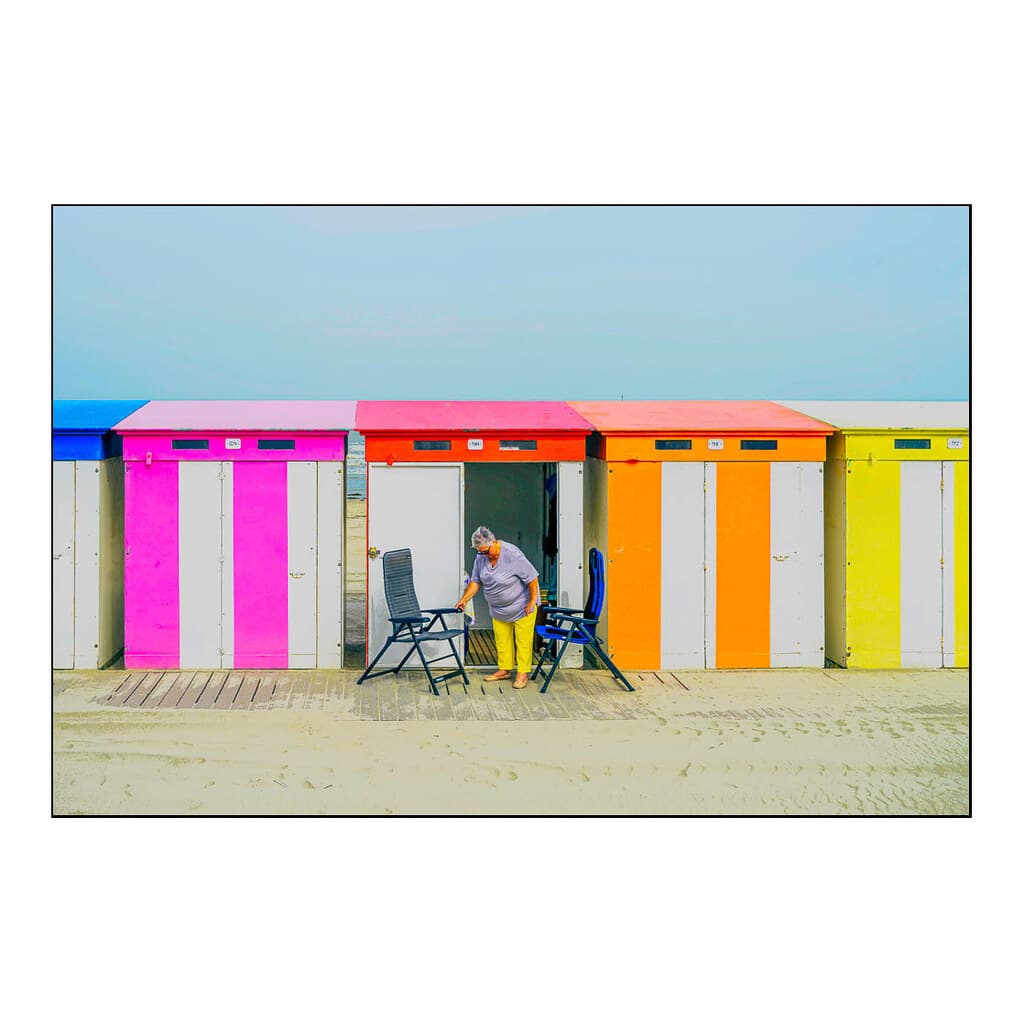
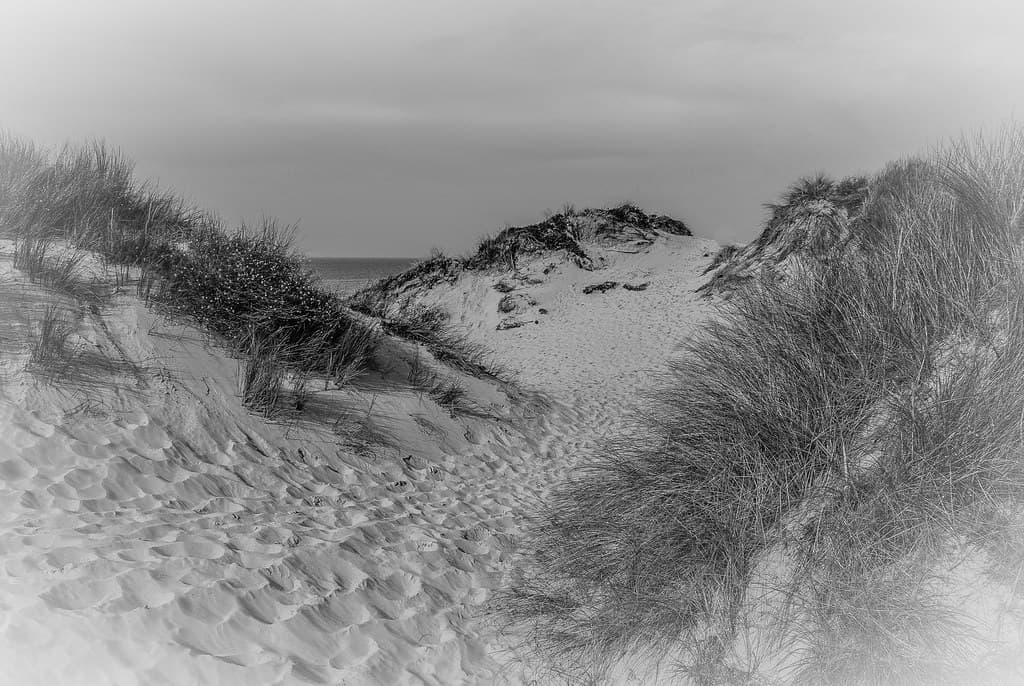
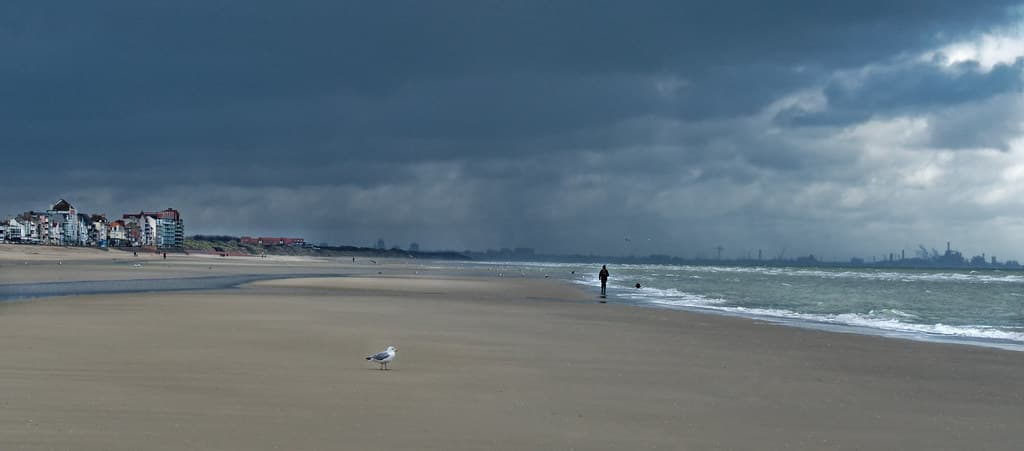
The Hauts-de-France shoreline doesn't appear on most beach-holiday mood boards, and that's precisely why you should go. Leffrinckoucke sits just east of Dunkirk's industrial harbor, a residential stretch where locals walk their terriers along the promenade and retirees occupy canvas deck chairs even when the thermometer hovers at twelve degrees. The beach itself runs wide and flat at low tide, revealing ridged sand that catches afternoon light in gold and pewter, while a concrete seawall protects the dunes behind it. Wooden breakwaters jut seaward in orderly rows, their weathered planks slick with kelp and barnacles. Unlike the chalk cliffs and resort towns to the south, this is a working coast—cargo ships drift on the horizon, and the air carries salt mixed with the faint metallic tang of the nearby port. Yet the atmosphere remains unhurried. Fishermen set up rods in the surf, children race receding waves, and kite-surfers launch neon canopies that snap taut in the persistent wind. Come at dusk and the sky performs: layered clouds catch rose and violet as the sun drops behind Dunkirk's cranes, reflected in shallow pools left by the tide. The beach operates year-round with none of the summer-only snobbery of the Côte d'Azur. Autumn and winter bring fewer visitors but no less drama—storm watching from the heated terrace of a beachfront café, wrapped in wool, remains one of the coast's underrated pleasures.
Places, rentals, tours and events within walking and driving distance of Plage de Leffrinckoucke.
Photos
Plage de Leffrinckoucke is generally safe for swimming during calm weather, but conditions can vary. The beach is located along the North Sea coast, which can experience strong currents and tides. During summer months, lifeguards typically supervise designated swimming areas. Always check tide times and weather forecasts before entering the water, as conditions can change quickly. Swimming flags indicate safe zones when present. The beach's gradual slope makes it relatively family-friendly, but constant supervision of children is essential due to the North Sea's unpredictable nature.
Plage de Leffrinckoucke is accessible year-round, with each season offering different experiences. Summer (June-August) provides the warmest weather for swimming and sunbathing, though it can be busy. Spring and autumn offer pleasant temperatures for beach walks with fewer crowds. The beach is particularly beautiful during sunset throughout the year. Winter visits appeal to those seeking dramatic coastal scenery and bracing walks. The northern French coast experiences moderate temperatures but can be windy and rainy, so pack layers regardless of season. Early morning visits any time of year offer peaceful, scenic moments.
Plage de Leffrinckoucke is located in Leffrinckoucke, approximately 10 kilometers east of Dunkirk. By car, take the D601 coastal road; free parking is available near the beach access points along Avenue de la Plage. The beach is also accessible by bicycle via coastal bike paths. Public transportation options include buses from Dunkirk, though service may be limited depending on season. The town is small, so most beach areas are within walking distance once you arrive. Street parking is generally available, but summer weekends may require arriving early to secure spots close to the sand.
Plage de Leffrinckoucke has basic amenities including beach access points and seasonal facilities. Being a smaller, less commercialized beach, dining options directly on-site are limited. The nearby town of Leffrinckoucke offers local cafés and shops for provisions. For more extensive restaurant choices and accommodations, Dunkirk (10km west) provides numerous options ranging from seafood restaurants to hotels. Beach visitors often bring picnics to enjoy the scenic, quieter atmosphere. Public restrooms may be available seasonally. For a full day out with diverse dining, consider combining your beach visit with nearby coastal towns.
Plage de Leffrinckoucke stands out for its unspoiled, authentic character and dramatic sunsets over the North Sea. Unlike busier resorts along the Opal Coast, this beach remains relatively uncrowded and uncommercial, offering a genuine local experience. The wide sandy expanse provides ample space for beach activities and scenic walks. Its location between Dunkirk and the Belgian border makes it a peaceful alternative to more tourist-heavy beaches. The beach's natural beauty and family-friendly atmosphere attract those seeking a quieter coastal escape while still being accessible to nearby attractions and amenities.