Counting the waves…
Counting the waves…
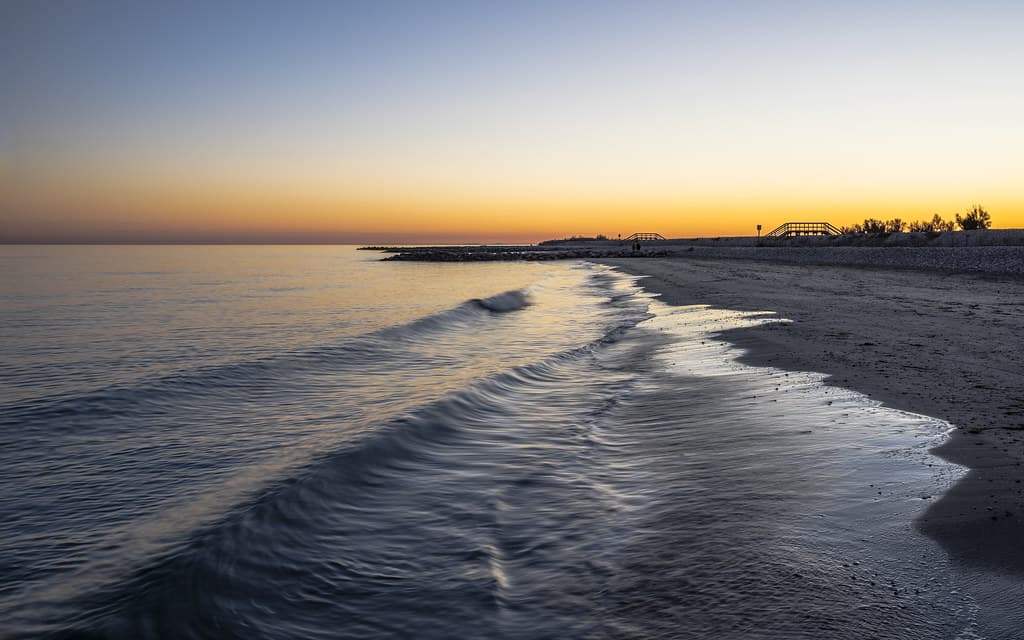
The road from Frontignan ends at a gravel lot where retirees in Peugeots unload folding chairs and coolers filled with rosé from nearby Sète. You follow a sandy path through dunes held together by sea holly and marram grass, their roots stitching the land against the tramontane winds that rake this coast each spring. The beach unfolds in both directions—no vendors, no umbrellas for rent, just ribbed sand still wet from the last tide and the occasional driftwood log bleached bone-white. On the lagoon side, shallow water the color of weak tea warms faster than the open sea. Herons stalk the mudflats at dawn. Kitesurfers launch from the eastern spit when the afternoon wind builds, their neon canopies carving arcs against Mont Saint-Clair's silhouette across the water. You spread your towel where the dunes offer shelter, close enough to hear both the lagoon's gentle lapping and the Mediterranean's rhythmic shush. As the sun drops, the light turns honey-thick. Families pack up their Thermoses of coffee, leaving you alone with the sanderlings chasing retreating waves. The lighthouse at Cap d'Agde blinks on in the distance. You stay until the sky bleeds orange into the lagoon, until the first stars prick through, until the only sound is wind moving through the pines behind you.

Places, rentals, tours and events within walking and driving distance of Plage des Aresquiers.
Photos
Plage des Aresquiers is generally safe for swimming during calm conditions, though as a wilder, less developed beach, lifeguard presence may be limited or seasonal (typically July-August). The beach faces the Mediterranean with relatively gentle waters, but currents can occur. Check local conditions before entering the water. The beach's natural character means fewer safety facilities than urban beaches, so swim cautiously and stay aware of weather changes. Families with small children should supervise closely given the lack of constant surveillance.
The best time to visit is May-June or September-October for a nature escape with fewer crowds and pleasant weather. These shoulder seasons offer warm temperatures ideal for beach walks and wildlife watching around the nearby lagoons. July-August brings peak crowds but warmest swimming conditions. The beach is particularly stunning at sunset year-round. Winter visits appeal to nature lovers seeking solitude and birdwatching opportunities, though swimming is only for the brave. Early morning visits any season provide the most peaceful atmosphere along this wild coastline.
From Frontignan town centre, drive south on Avenue des Aresquiers toward the coast (approximately 5km). Follow signs to 'Plage des Aresquiers' through residential areas until you reach the beach parking areas. Parking is available near the beach, though spaces fill quickly in summer. By bike, follow the coastal cycle paths from Frontignan or neighbouring towns—a scenic route popular with locals. Public transport options are limited, making car or bicycle the most practical choices. The beach is part of a longer coastal stretch, so clarify which access point suits you best.
Plage des Aresquiers has limited beachfront facilities, maintaining its wild character. A few seasonal beach bars or small restaurants may operate during summer months near parking areas, but options are minimal. For more dining choices, return to Frontignan town (5km) where you'll find restaurants, cafes, and shops. Accommodation includes campgrounds near the beach and rentals in Frontignan or nearby Sète. The area attracts visitors seeking nature over nightlife, so expect basic facilities. Bring water and snacks, especially outside peak season when beach services close.
Plage des Aresquiers stands out for its wild, untouched character and stunning lagoon views behind the beach. Unlike developed resort beaches, it retains natural dunes and vegetation. The nearby Étang d'Ingril lagoon creates unique scenery where you can observe diverse birdlife and enjoy a landscape where Mediterranean Sea meets protected wetlands. The beach offers authentic solitude even during summer, attracting nature lovers rather than party-seekers. Its position provides spectacular sunsets over the water. This combination of wilderness, lagoon ecology, and relative seclusion makes it special along the increasingly developed Hérault coast.