Counting the waves…
Counting the waves…
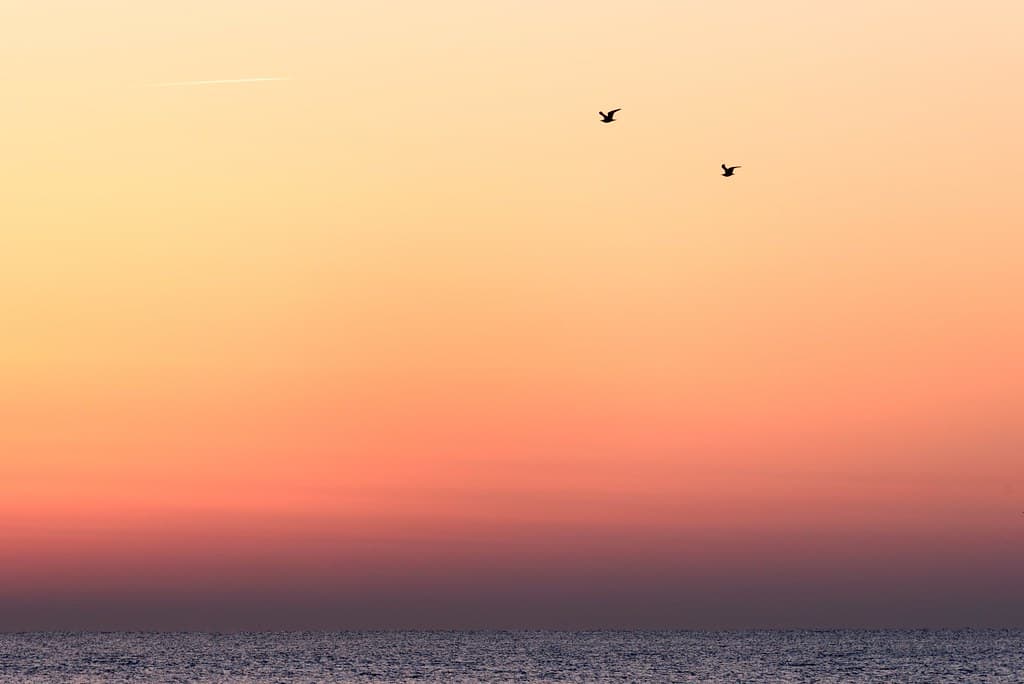
The causeway from Villeneuve-lès-Maguelone cuts through the Étang de Pierre Blanche, where pink flamingos feed in knee-deep brine and herons stand motionless among the reeds. At road's end, the fortified Cathedral of Saint-Pierre-et-Saint-Paul occupies its limestone peninsula like a stranded ark, its walls honey-colored in the slanting light. Beyond it, the beach opens up—a broad crescent of taupe sand facing the open Mediterranean, protected within the Natura 2000 reserve. You won't find parasols or beach clubs here. The sand holds fragments of crushed shell, and the wind off the gulf arranges driftwood into abstract sculptures. Shallow pools warm between sandbars at low tide. The water stays clear but never Caribbean-blue; it's the gray-green of the Languedoc coast, flecked with foam when the tramontane blows. Local families claim patches of shade beneath the pines edging the dunes, while couples wander toward the cathedral ruins as afternoon softens into evening. The beach empties completely by dusk. Stay for the light show: the sun drops behind the lagoons, igniting the water in bands of copper and violet, silhouetting the cathedral's bell tower against a sky gone molten. Egrets lift from the shallows in white clouds. The only sounds are waves on sand and the distant toll of the cathedral bell, rung by a caretaker who lives alone on the peninsula, keeping time in a place where it seems to have stopped.
Places, rentals, tours and events within walking and driving distance of Plage de Maguelone.
Photos
Plage de Maguelone is generally safe for swimming, though it's less developed than urban beaches. Lifeguard presence varies by season and specific beach sections, so check locally upon arrival. The sandy beach has a gradual slope suitable for swimming. Being part of a protected natural area, the beach is clean with good water quality. However, currents can occur, particularly near the lagoon outlets. The wild nature means fewer safety facilities than resort beaches. Families should supervise children closely. The beach's natural setting attracts confident swimmers seeking less crowded conditions.
Plage de Maguelone shines during shoulder seasons—late May through June and September—when weather is pleasant but crowds minimal. Summer months offer warmest swimming but attract more visitors, though it remains less busy than nearby resort beaches. Sunset visits are particularly magical year-round, offering spectacular views across the wild coastline. Spring and autumn are perfect for combining beach walks with visits to the historic Maguelone Cathedral without summer heat. Early mornings provide peaceful atmosphere for nature appreciation. The protected natural setting makes it appealing even outside traditional beach season for coastal walks.
Accessing Plage de Maguelone requires some effort, adding to its secluded appeal. From Villeneuve-lès-Maguelone, follow signs toward the cathedral and beach. By car, you'll reach parking areas, but the final approach involves walking across the tombolo peninsula—approximately 1-2 kilometers depending on your route. Cycling is popular and practical on the coastal paths. A small tourist train sometimes operates during summer from parking areas to the cathedral area. The walk itself is scenic, passing through protected dune landscapes. This access keeps crowds manageable and preserves the wild character.
Plage de Maguelone itself has minimal commercial development due to its protected status. The historic Maguelone Cathedral site sometimes has a seasonal café or refreshment stand. The nearest village, Villeneuve-lès-Maguelone, several kilometers away, offers restaurants, cafés, and shops. For accommodation, look in Villeneuve or nearby Palavas-les-Flots and Montpellier. Beach visitors typically bring picnics and supplies. The surrounding Hérault coast has numerous camping options for those wanting proximity to nature. The beach's wild character means planning ahead with food and water is essential.
Plage de Maguelone is unique for its combination of wild natural beauty and historic significance. The beach sits on a tombolo peninsula leading to the Cathedral of Maguelone, a fortified Romanesque church dating from the 11th-12th centuries with fascinating history. This creates a rare blend of pristine beach, protected natural landscapes, and medieval architecture. The area forms part of protected coastal lagoon ecosystems with rich birdlife. Unlike developed beaches, Maguelone retains authentic wild character while offering cultural interest. The atmospheric combination of sand, sea, and ancient stones creates a distinctive romantic and contemplative setting.