Counting the waves…
Counting the waves…
A refined fusion of water purity, environmental stability, and communal vibrancy for Plage de Calais.
View MethodologyAnalyzed via live sensors and environmental data.
Wave height, wind, and atmospheric stability.
Live footfall and crowd balance metrics.
Community reviews and curated sentiment.
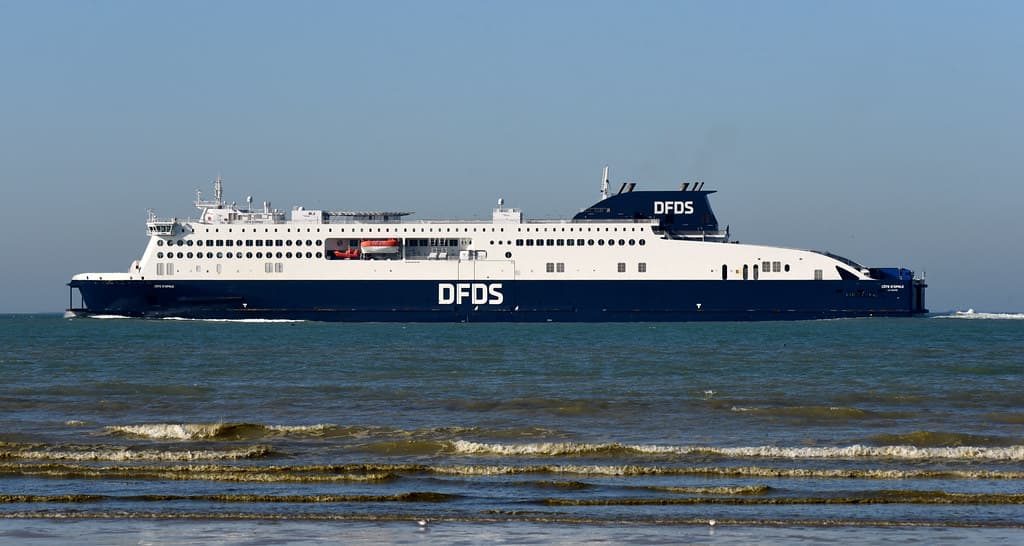
“You'll walk the wide esplanade as ferries glide toward Dover, the salt wind carrying the scent of frites and diesel. The beach stretches for miles beneath a sky that changes every ten minutes—steel-grey squalls giving…”
Higher weekend density may affect water purity and crowd scores temporarily.
Calais spreads its blonde sand along a seafront that refuses to pretend it's anywhere but a working harbor town. You'll share the promenade with locals pushing strollers, retirees on benches watching the P&O ferries lumber past, and teenagers kicking footballs near the concrete breakwaters. The beach itself runs wide and flat at low tide, exposing ribbed sand that holds shallow pools where children crouch with nets. Gulls scream overhead, and the air tastes of brine and the occasional whiff of exhaust from the A16 autoroute a few blocks inland.
The skyline tells two stories: to your right, the slender spire of the Calais Lighthouse; to your left, the cranes and gantries of the port, where trucks queue for England. Between them, the beach becomes a democratic strip where anyone can claim a square of sand. On summer weekends, Tunisian and Moroccan families grill merguez on disposable barbecues, while Dutch camper-van tourists unfold striped windbreaks and brew coffee on portable stoves.
 Credit: Unsplash
man wearing red shirt sitting on seashore
 Credit: Unsplash
a row of sheds
Capture liners against sunset silhouettes
Beachfront shacks serve steaming pots
Four-mile esplanade to the lighthouse
Where it is
Plage de Calais
Calais, Pas-de-Calais, France
50.963340°, 1.828100°
Weather
Loading…
Swell
—
Temp
Warm · Restorative
UV Index
Moderate
Wind
—
Tidal State
Last known
Max Sunlight
—
Ideal Shade
—
May - Sep (Peak)
Jan - Dec (Off-season)
Historical data suggests peak visibility and stable sea temperatures occur during the prime visitation window.
Near Plage de Calais
Explore dining, stays, nightlife, and activities near Plage de Calais in Calais, France. Every listing below is a real place linked to this beach — open a card for reviews, maps, and booking options.
Food, cafés, and dining close to Plage de Calais — curated from places linked to this beach.
Stays and lodging options near Plage de Calais for your beach trip.
Bars and evening spots near Plage de Calais.
Activities, tours, and attractions near Plage de Calais.
Select a category to load nearby places.
Unlock restaurants, luxury stays and curated maritime experiences within 2km
Swimming at Plage de Calais requires caution due to strong currents, shifting tides, and cool water temperatures year-round. The beach is supervised by lifeguards during summer months (typically July-August), and swimming is only recommended when they're on duty. Red flags indicate dangerous conditions and swimming prohibitions. The English Channel's currents can be unpredictable, and the water remains cold even in summer. Many visitors prefer walking along the shore or paddling in shallow areas. Always check local weather conditions and tide times before entering the water, and stay within designated swimming zones when lifeguards are present.
Late spring through early autumn (May-September) offers the most pleasant weather at Plage de Calais, with temperatures ranging from 15-22°C and longer daylight hours. July and August are warmest but also busiest with families. For fewer crowds and dramatic coastal scenery, visit during shoulder seasons in April-May or September-October. Winter visits can be rewarding for sunset photography and brisk beach walks, though expect strong winds and temperatures around 5-10°C. The beach is accessible year-round, but amenities and facilities operate primarily from spring through autumn. Check tide schedules regardless of season to experience the beach at its best.
Plage de Calais is easily accessible from Calais city centre, approximately 2km northwest. By car, follow signs to 'Plage' or 'Front de Mer' from the main roads. Several free and paid parking areas line Boulevard de l'Atlantique and nearby streets along the seafront. The beach is also reachable by local bus routes operated by STCE (Calais public transport). For those arriving via ferry from Dover, the beach is a 10-minute drive from the port. Cycling is popular, with bike paths connecting the beach to the city centre. Walking from Calais-Ville train station takes about 25-30 minutes.
The seafront promenade along Plage de Calais features numerous restaurants and cafés serving fresh seafood, French cuisine, and casual fare. You'll find brasseries and crêperies within walking distance, particularly along Boulevard Aristide Briand. For accommodations, several hotels overlook the beach, ranging from budget-friendly options to mid-range properties with sea views. The nearby city centre (1-2km away) offers additional dining variety including bistros and international restaurants. Beach kiosks and snack bars operate during warmer months selling ice cream, drinks, and light refreshments. Local supermarkets and bakeries in adjacent neighbourhoods provide picnic supplies for beachgoers.
Yes, on clear days you can see England's famous White Cliffs of Dover from Plage de Calais, as they're only about 34 kilometres across the English Channel at the strait's narrowest point. Visibility depends heavily on weather conditions—sunny days with low humidity offer the best views, while fog, haze, or overcast skies can obscure them completely. The cliffs appear as distinctive white formations on the horizon, creating a striking visual connection between France and England. Early morning and late afternoon often provide clearer atmospheric conditions for viewing. This unique perspective makes Plage de Calais popular with photographers and visitors interested in the cross-Channel geography.
Photos