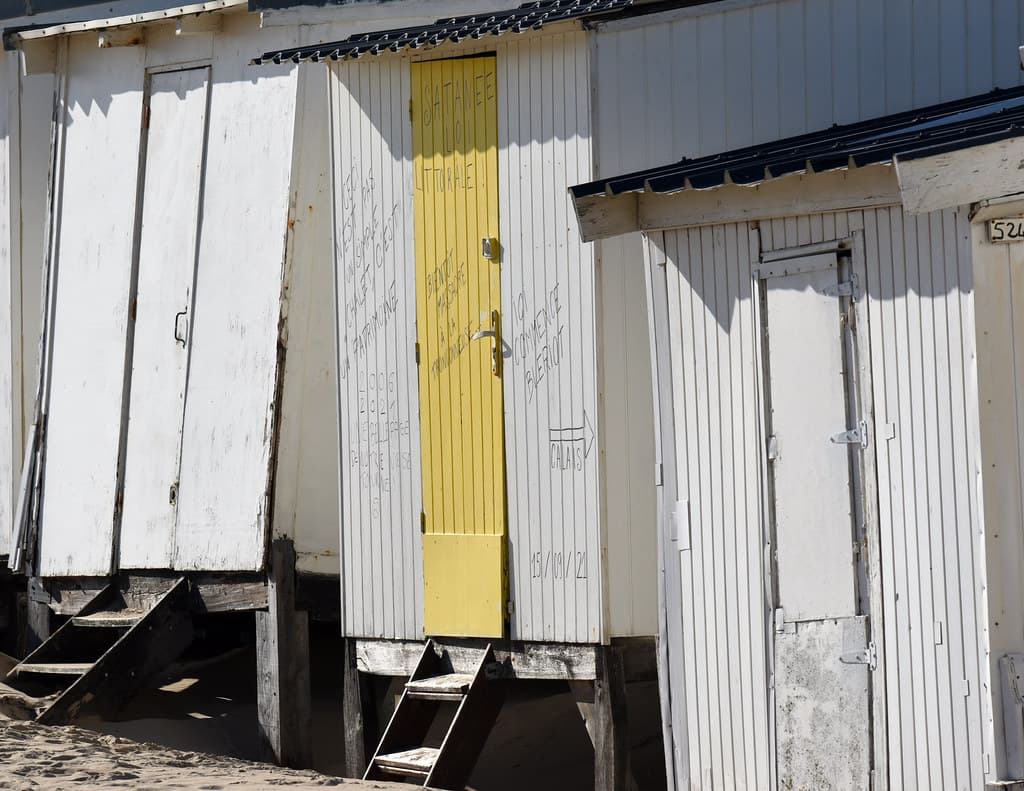
Counting the waves…
Counting the waves…

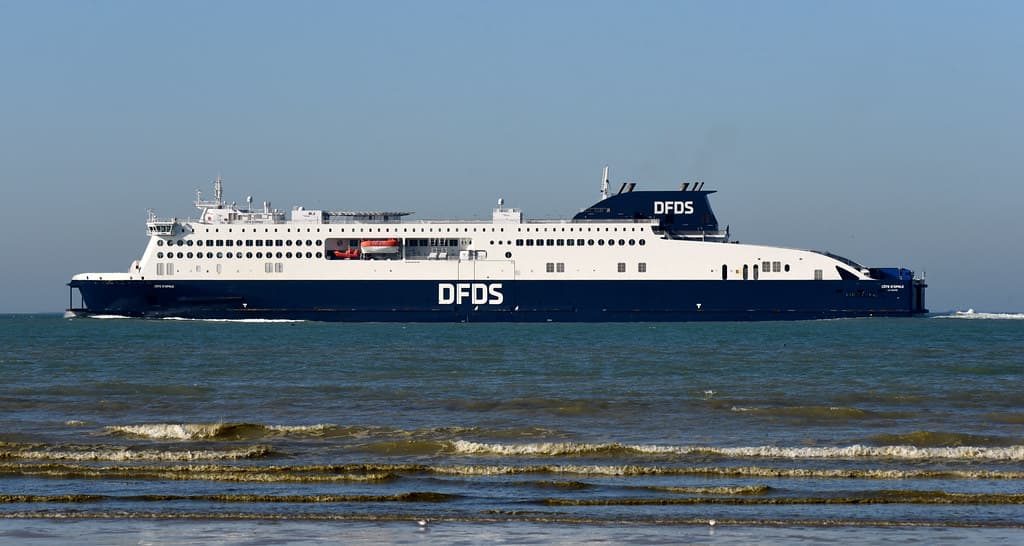
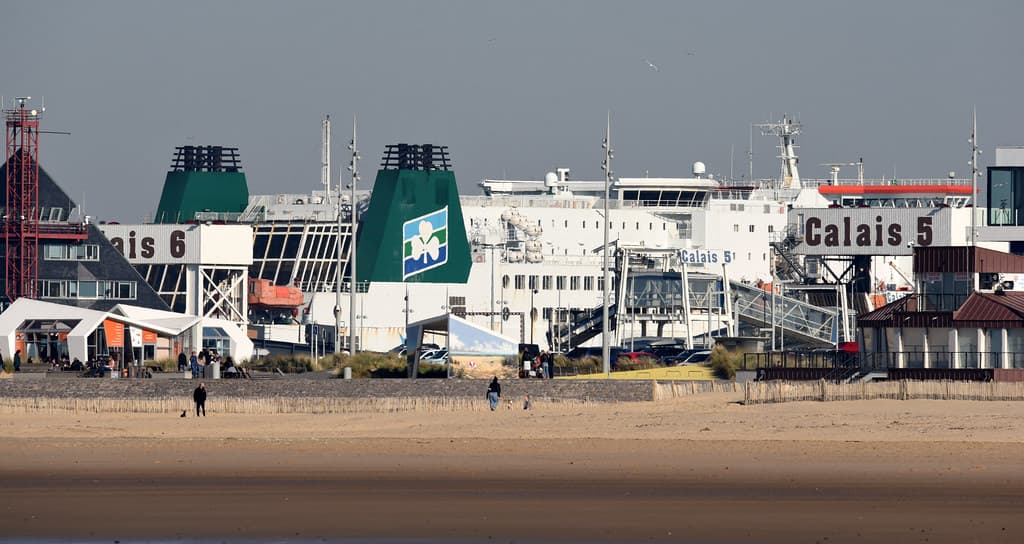
You park near the Louis Blériot monument—the stone obelisk marking where the aviator first touched French soil after crossing the Channel in 1909—and step onto a beach that seems to stretch halfway to England. The sand is beige and firm, ridged by tides that pull back twice daily to reveal dark mussel beds and shallow lagoons. Overhead, kites snap and hum; this is one of northern France's kiteboarding capitals, and the steady westerlies bring a stream of neoprene-clad regulars launching into the chop. The dune system behind you rises in tufted mounds of marram grass, laced with wooden footbridges that protect the fragile vegetation. On clear days the white cliffs of Dover materialize on the horizon, close enough to remind you that this coast has always been a threshold—Roman galleys, medieval smugglers, Blériot's canvas-and-wire contraption all passed through these same winds. Families spread blankets in the shelter of the dunes; couples brave the bracing water for quick swims; dog walkers trace the tide line at dusk. As the sun drops, the sky flares tangerine and violet, silhouetting the hulking ferries that ply the strait. The offshore turbines of the Dunkirk wind farm blink red against the twilight. You pull your jacket tighter, tasting brine and diesel, and understand why this beach wears its beauty without softness—every gust, every wave, every scrap of history is unfiltered.
Places, rentals, tours and events within walking and driving distance of Plage de Sangatte-Blériot.
Photos
Swimming at Plage de Sangatte-Blériot requires caution due to strong currents, cold water temperatures, and unpredictable tides typical of the English Channel. The beach is not always supervised by lifeguards, so check for safety flags and local signage before entering the water. The area is more popular for kite-surfing and windsurfing than casual swimming. Always consult tide tables, as the extensive tidal range can expose vast stretches of sand quickly. Families with children should stay close to shore and supervise constantly. In cooler months, wetsuits are essential for any water activity.
Plage de Sangatte-Blériot is accessible year-round, but July and August offer the warmest weather and longest daylight for beach walks and picnics. Spring and autumn attract wind-sport enthusiasts when consistent breezes create ideal conditions for kite-surfing and windsurfing. Winter visits can be dramatic, with powerful waves and striking coastal scenery, though temperatures are brisk. The beach faces west, making it excellent for sunset viewing throughout the year. Weekdays tend to be quieter than weekends. Check weather forecasts and wind conditions in advance, especially if planning water sports.
Plage de Sangatte-Blériot is located approximately 6 kilometres west of Calais along the D940 coastal road. By car, follow signs to Sangatte; free parking is available near the beach at designated car parks along Avenue de Douvres and near the Blériot monument. The beach is easily accessible from the Channel Tunnel terminal (about 10 minutes' drive). Public transport options from Calais include local buses, though schedules can be limited. The beach entrance features pedestrian paths from the parking areas, making it convenient for families with equipment.
Sangatte is a small coastal village with limited amenities directly on the beachfront. You'll find a few cafés, bakeries, and small shops in the village centre, a short walk from the beach. For a wider selection of restaurants, supermarkets, and services, nearby Calais (6 kilometres east) offers abundant options. Accommodation includes vacation rentals and a handful of small hotels in Sangatte, with more extensive hotel choices in Calais. It's advisable to bring supplies for a beach day, especially during off-peak seasons when local businesses may have reduced hours.
The distinctive monument at Plage de Sangatte-Blériot commemorates Louis Blériot's historic first airplane crossing of the English Channel on 25 July 1909. The French aviator departed from this beach in his Blériot XI monoplane, landing in Dover 37 minutes later—a groundbreaking achievement in aviation history. The monument marks the exact take-off spot and has become an iconic landmark along this stretch of coast. Visitors can view the memorial year-round and enjoy interpretive information about the flight. The site combines historical significance with stunning coastal views across the Channel towards England.