Counting the waves…
Counting the waves…
A refined fusion of water purity, environmental stability, and communal vibrancy for Plage de la Mollière.
View MethodologyAnalyzed via live sensors and environmental data.
Wave height, wind, and atmospheric stability.
Live footfall and crowd balance metrics.
Community reviews and curated sentiment.
“North of Cayeux-sur-Mer's cabanas and ice-cream stands, Plage de la Mollière unfurls in windswept solitude—a sweep of pale stones, marram-tufted dunes, and the kind of light that turns every dog walker into a…”
Limited recent visitor reports — live OBI telemetry is your best guide for current conditions.
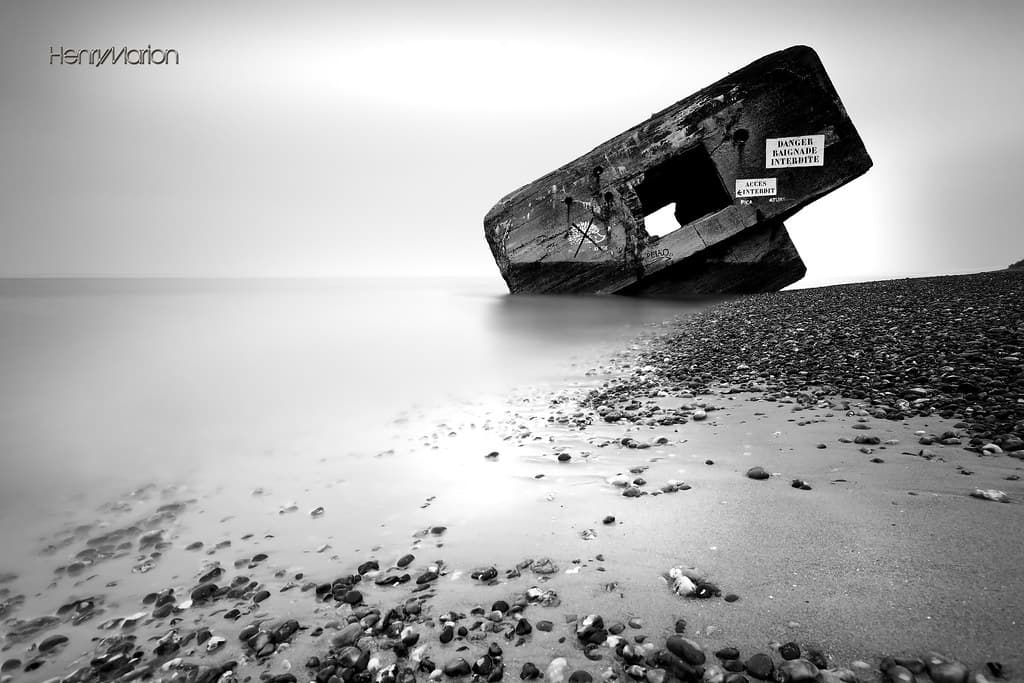
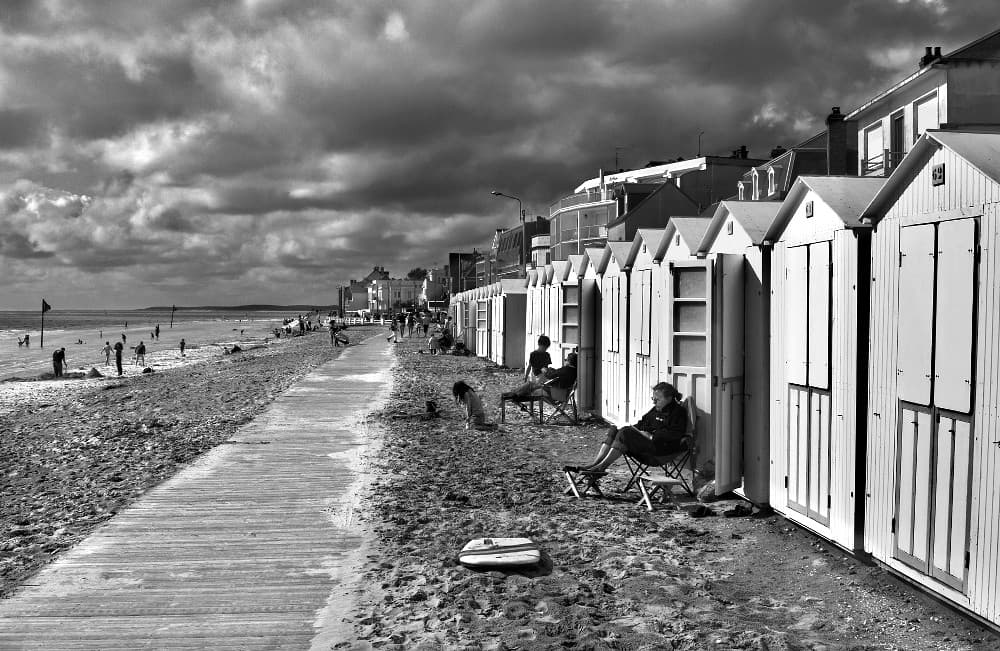
You park beside a weathered wooden fence and step onto a beach that feels like the edge of forgetting. Plage de la Mollière stretches north from Cayeux in a long, unbroken arc of shingle and sand, its shoreline punctuated by groyne fingers black with seaweed. Gulls wheel overhead; the air smells of brine and wild thyme from the dunes. This is the Somme coast stripped of pretense—no striped tents, no frites stands, just the rhythmic scrape of waves dragging stones and the occasional dog charging into the surf.
The light here changes by the hour. Morning fog clings to the chalk cliffs of Ault visible to the south; by late afternoon the sky floods with amber and rose, painting the wet pebbles in bands of copper. Locals arrive with thermoses and collars unbuckled, their dogs bounding across the expanse. At low tide, the sea recedes so far you can walk out to sandbars ribbed by currents, your boots squelching in beds of kelp.
 Credit: Unsplash
a group of people sitting on a beach next to a body of water
 Credit: Unsplash
sea view during daytime
Miles of open shoreline
Low-tide sandbars and birds
Marram grass and windbreaks
Where it is
Plage de la Mollière
Cayeux-sur-Mer, Somme, France
50.202500°, 1.530800°
Weather
Loading…
Swell
—
Temp
Warm · Restorative
UV Index
Moderate
Wind
—
Tidal State
Last known
Max Sunlight
—
Ideal Shade
—
May - Sep (Peak)
Jan - Dec (Off-season)
Historical data suggests peak visibility and stable sea temperatures occur during the prime visitation window.
Select a category to load nearby places.
Unlock restaurants, luxury stays and curated maritime experiences within 2km
Plage de la Mollière is generally safe for swimming during calm weather, but the beach lacks lifeguard supervision. The Somme coastline experiences strong tides and currents, so check tide times before entering the water and avoid swimming during high tide or rough conditions. The beach is composed of pebbles and stones rather than sand, which can make entry challenging. Always supervise children closely and be aware that water temperatures remain cool year-round, even in summer. Local weather conditions can change quickly along this northern French coast.
Plage de la Mollière can be visited year-round, with each season offering distinct experiences. Summer months (June-August) provide the warmest weather, though temperatures remain moderate compared to Mediterranean beaches. Spring and autumn offer peaceful visits with fewer crowds and excellent opportunities for coastal walks. The beach is particularly renowned for spectacular sunsets, best viewed during clear evenings throughout the year. Winter visits appeal to those seeking dramatic seascapes and solitude. Check tide schedules regardless of season, as high tides can significantly reduce accessible beach area.
Plage de la Mollière is located north of Cayeux-sur-Mer's main resort center along the coastal road. By car, follow the D102 coastal route from Cayeux-sur-Mer heading toward Brighton-les-Pins. Limited roadside parking is available near the beach access points, though spaces can fill during summer weekends. The beach is less developed than central Cayeux beaches, so signage may be minimal. From major cities, reach Cayeux-sur-Mer via the A16 motorway, then follow local roads. Public transport options are limited in this area.
Plage de la Mollière is a natural, undeveloped beach with minimal on-site facilities. You'll find no restaurants, cafes, or public restrooms directly at this beach. The main town of Cayeux-sur-Mer, located a short drive south, offers various dining options, shops, and accommodations including hotels, vacation rentals, and campsites. It's advisable to bring your own food, drinks, and beach supplies when visiting Plage de la Mollière. The lack of development contributes to the beach's tranquil, scenic character that attracts visitors seeking a more natural coastal experience.
Yes, Plage de la Mollière is dog-friendly, making it an excellent choice for travellers with pets. Unlike many French beaches that restrict dogs during summer months, this beach's natural setting and lower development generally allow dogs year-round. However, always keep dogs under control and clean up after them. The pebble beach provides good terrain for dog walking, and the open spaces allow for exercise. Always verify current local regulations before visiting, as rules can change. The quiet nature of this beach makes it particularly suitable for dogs compared to busier resort beaches.
Photos