Counting the waves…
Counting the waves…

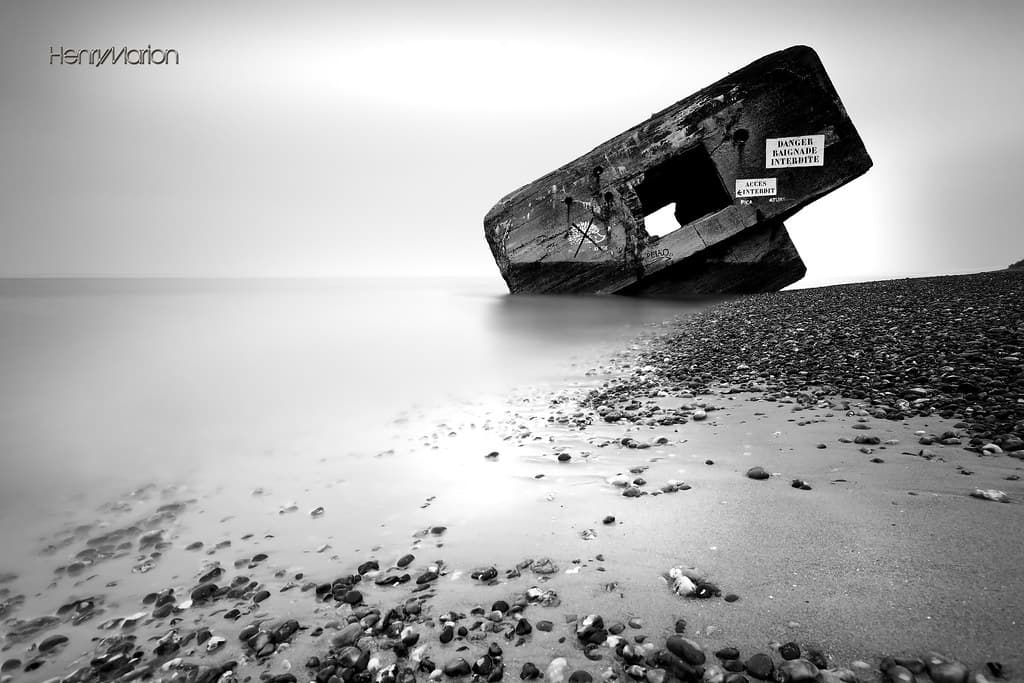
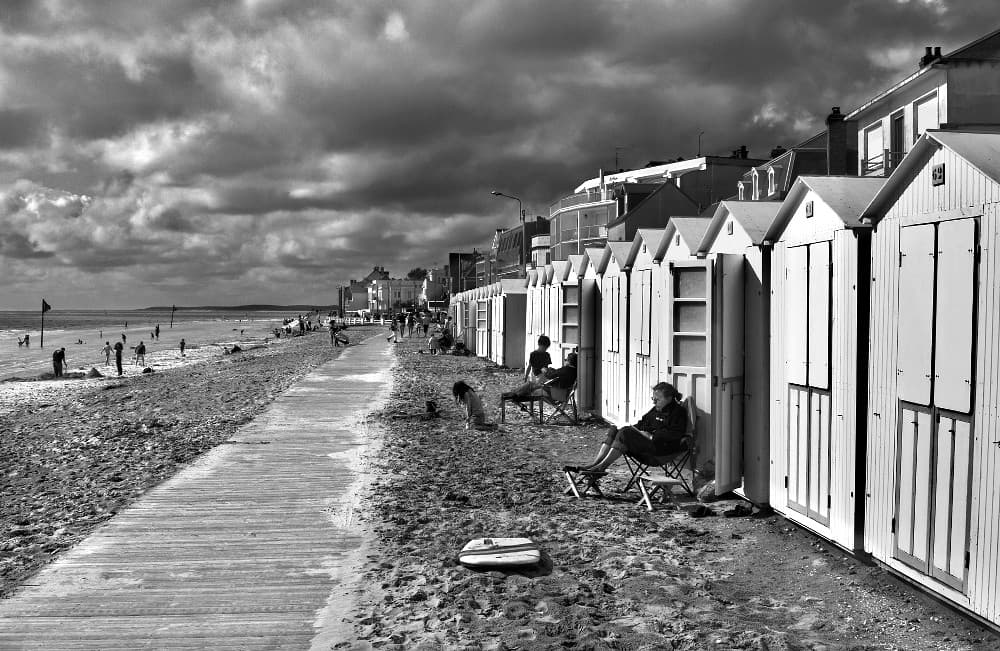
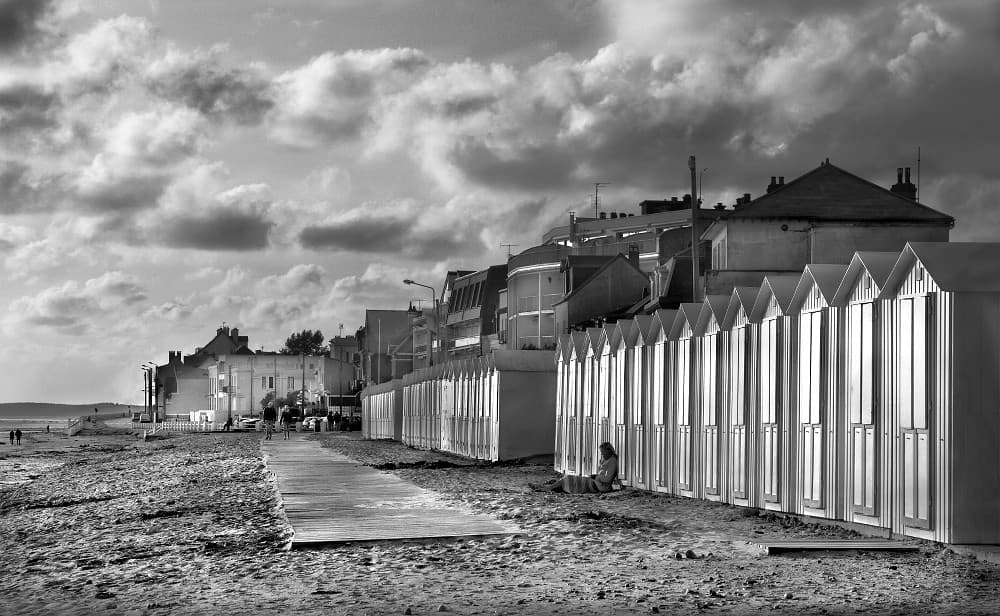
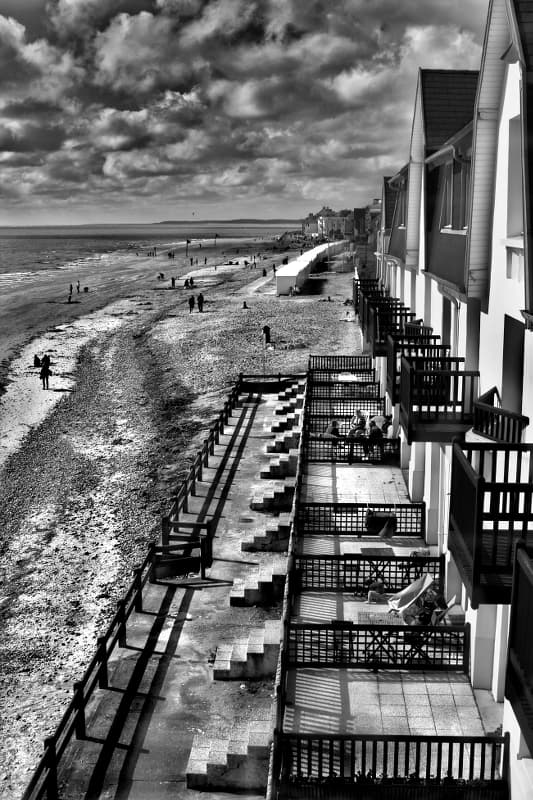
The beach at Le Crotoy unfurls in a shallow arc along the northern lip of the Baie de Somme, where twice a day the English Channel drains away, leaving behind a moonscape of wet sand ribbed like corduroy. You'll notice families clambering over mussel-crusted groynes and children chasing hermit crabs in tidal pools while grey seals occasionally surface offshore. The light here is mercurial—pewter one moment, honey-gold the next—shifting with the clouds that race in from the Atlantic. This isn't a beach for planting an umbrella. The tide governs everything: fishing boats tilt on their keels in the harbor when the water recedes, and locals time their errands around the published tide tables posted at every café. At low water, you can walk nearly to the horizon, your boots squelching in the firm sand, passing wooden fish traps and flocks of oystercatchers probing for lugworms. Kite-buggies zip across the flats on windy afternoons, their sails snapping like gunshots. The promenade behind the beach holds a modest parade of shuttered beach cabins painted cream and slate blue, a handful of brasseries serving moules-frites, and a miniature steam railway that puffs south toward Saint-Valery. On summer evenings the terraces fill with families nursing carafes of cidre while the sun sinks behind the Marquenterre dunes, staining the bay copper and rose. The beach empties after dark, leaving only the whisper of wind and the distant bark of seals.
Places, rentals, tours and events within walking and driving distance of Plage du Crotoy.
Photos
Plage du Crotoy is generally safe for swimming during high tide, but extreme caution is essential due to the bay's dramatic tidal variations. The Somme Bay experiences some of the most significant tides in Europe, with water receding up to 14 kilometers. Quicksand patches can form in certain areas when the tide is out. Swimming is best at high tide in designated areas. Always check local tide tables before visiting, supervise children closely, and heed any warning signs. Lifeguards patrol during summer months, making that the safest time for families.
Plage du Crotoy is accessible year-round, but July and August offer the warmest weather and full amenities with lifeguards on duty. Spring (April-June) and early autumn (September) provide pleasant temperatures, fewer crowds, and excellent conditions for walking across the tidal flats. The beach is particularly famous for spectacular sunsets, best viewed during summer evenings. Winter visits can be beautiful for bracing walks and dramatic coastal scenery, though facilities are limited. Regardless of season, always consult tide schedules, as the beach's character transforms completely between high and low tide.
Le Crotoy is located in northern France's Somme department, about 200 kilometers north of Paris. By car, take the A16 motorway, exiting at Abbeville, then follow D940 to Le Crotoy (approximately 2.5 hours from Paris). Several parking areas are available near the beach, including Boulevard de la Mer and along the waterfront promenade, with both free and paid options depending on season. By train, take services to Noyelles-sur-Mer station, then local transport or a pleasant walk to the beach. The town is compact and easily walkable once you arrive.
Le Crotoy offers numerous dining options specializing in fresh seafood and local Picardy cuisine, particularly along the waterfront promenade. Restaurants serving mussels, sole, and the bay's famous lamb are plentiful. Accommodation ranges from charming seaside hotels and guesthouses to vacation rentals and campgrounds. The town center, a short walk from the beach, has bakeries, cafés, and small shops. Nearby supermarkets provide picnic supplies. For a special meal, several establishments offer views of the bay. Booking ahead is essential during summer months when the town becomes particularly popular with French holidaymakers.
Walking across the Somme Bay at low tide is possible but should only be attempted with an experienced, certified guide. The bay's dramatic tides expose vast sand flats that appear walkable, but hidden dangers include quicksand, fast-returning tides, and disorienting mist. Several local companies offer guided walks across the bay, typically lasting 2-3 hours, where you can learn about the unique ecosystem and safely experience this remarkable landscape. These guided crossings often depart from Le Crotoy to Saint-Valery-sur-Somme. Never attempt crossing alone, as conditions change rapidly and have proven fatal for unprepared walkers.