Counting the waves…
Counting the waves…

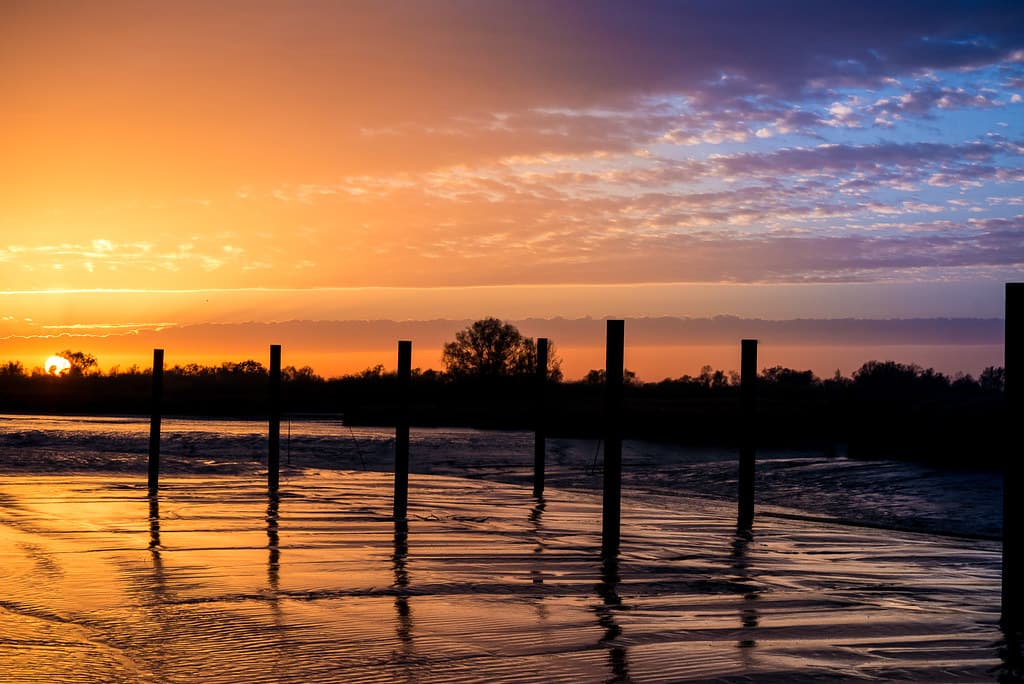
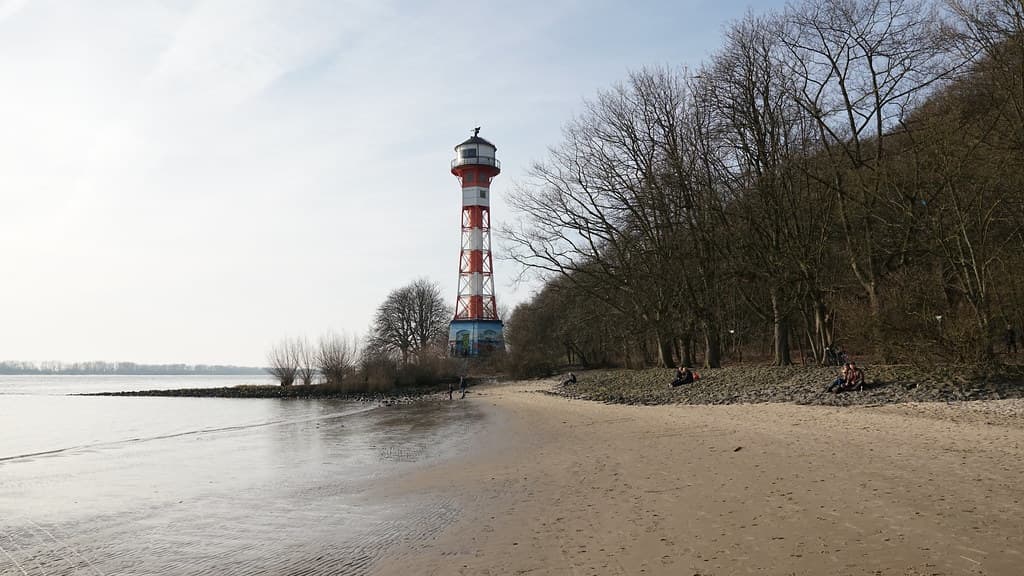
You descend wooden steps through the dike and find yourself on a beach that feels provisional, temporary, as if the river might reclaim it at any moment—which, twice daily, it does. At low tide, the sand extends into mudflats stippled with worm casts and small stones smoothed by decades of current. A few locals have set up folding chairs near the waterline, thermoses and paperbacks in hand, entirely unbothered by the industrial scale of the passing ships. The Hetlinger Schanze—a former defensive outpost—lends its name to this stretch, though little remains of the old fortifications except humps in the landscape and a sense of strategic positioning. You walk the tideline, shoes sinking slightly in the wet sand, and notice how the beach's character shifts with the water level. High tide brings the Elbe right to the dike base, turning this into a narrow ribbon; low tide reveals hundreds of meters of flats where gulls congregate and small crabs scuttle into tide pools. Behind the dike, the marsh unfolds in shades of green and gold, crisscrossed by drainage channels and dotted with grazing livestock. The air smells of river water and salt grass, occasionally sharpened by a gust carrying diesel from a passing freighter. You hear the bleat of sheep, the cry of a curlew, the low thrum of a ship's engine. It's a landscape defined by layers—water, sand, dike, marsh, sky—each one essential, none dominating.
Places, rentals, tours and events within walking and driving distance of Hetlinger Schanze Beach.
Photos
Swimming at Hetlinger Schanze requires caution due to strong tidal currents in the Elbe estuary. The beach is located in a tidal flat area where water levels change dramatically throughout the day. Currents can be unpredictable and potentially dangerous for inexperienced swimmers. There are no lifeguards on duty. The water quality can vary as the Elbe is a working river. Many visitors prefer to wade in shallow areas during calm conditions or simply enjoy beach walks and sunset viewing rather than full swimming.
The best time to visit is during late spring through early autumn (May to September) when weather is mild and daylight hours are longer. Summer months offer the warmest temperatures for beach activities. Visit during low tide to explore the extensive tidal flats and marshland. Evening visits are particularly rewarding for spectacular sunsets over the Elbe. Weekdays tend to be quieter than weekends. Early mornings offer peaceful birdwatching opportunities in the surrounding marsh landscape, especially during migration seasons in spring and autumn.
Hetlinger Schanze is located in the small village of Hetlingen, approximately 30 kilometers northwest of Hamburg. By car, follow the B431 road towards Wedel, then continue northwest to Hetlingen. Parking is available near the beach access points. Public transport options are limited; regional buses from nearby towns like Wedel or Uetersen connect to Hetlingen, though schedules may be infrequent. Cycling is popular, with scenic routes along the Elbe dike offering lovely views of the river and marshland.
Hetlingen is a small village with limited dining options, typically featuring traditional German and regional Schleswig-Holstein cuisine in local restaurants and cafes. For more variety, nearby towns like Wedel offer additional restaurants and supermarkets. Accommodation options in Hetlingen itself are sparse, mainly consisting of vacation rentals or guesthouses. The nearby Hamburg metropolitan area and towns along the Elbe provide hotels, pensions, and holiday apartments within a short drive. Visitors often day-trip from Hamburg or stay in surrounding communities.
Hetlinger Schanze offers a distinctive combination of river beach atmosphere and pristine tidal marsh landscape rarely found elsewhere. The beach sits within the Haseldorfer Marsch nature reserve area, providing exceptional opportunities for observing wetland wildlife and migratory birds. Unlike typical coastal beaches, this Elbe estuary location offers views of passing container ships and maritime traffic alongside natural scenery. The expansive tidal flats revealed at low tide create a dramatic, ever-changing landscape. It's an authentic local spot favored by families seeking nature and tranquility away from tourist crowds.