Counting the waves…
Counting the waves…

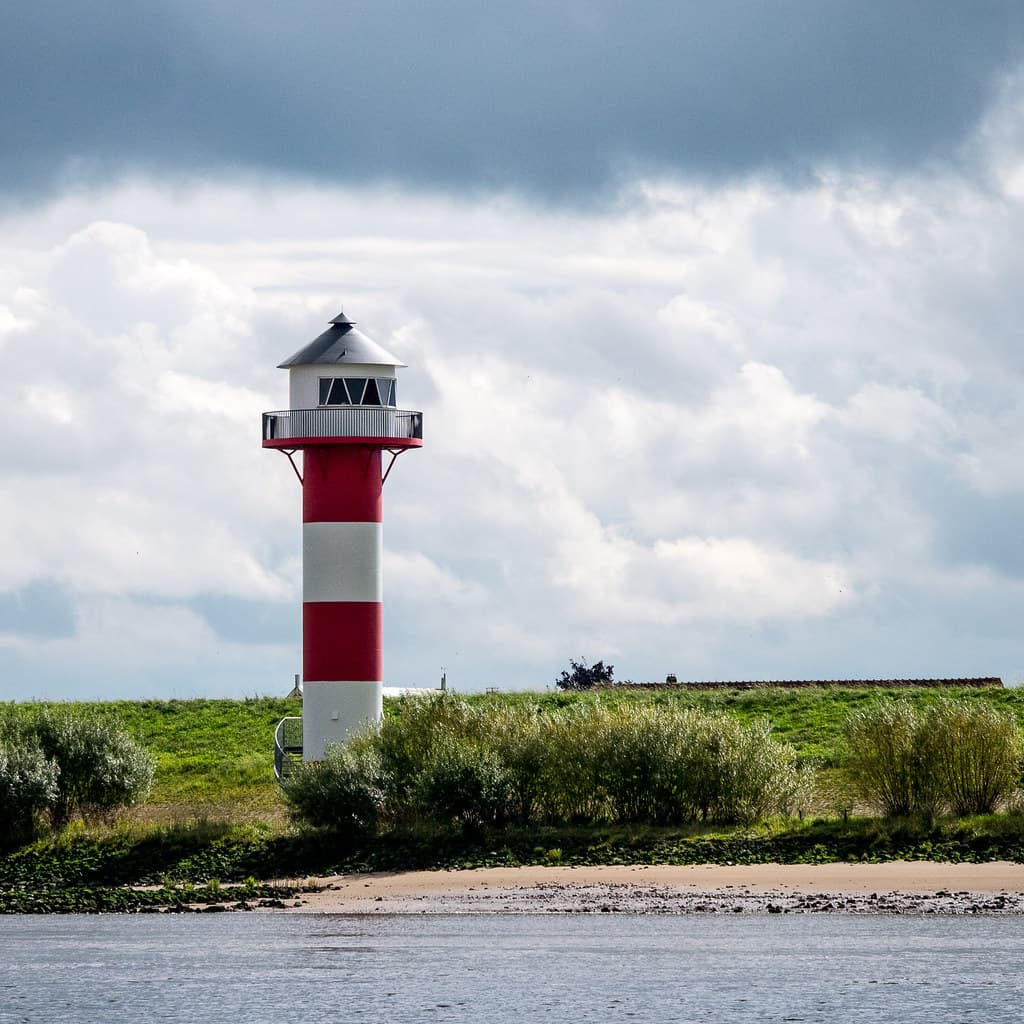
The smell of salt marsh—mineral, vegetal, faintly sulfurous—hits you before you see the beach. A narrow path leads through shoulder-high grasses and onto a sandy crescent where the Elbe opens wide and the horizon feels impossibly distant. At low tide, the water retreats hundreds of meters, leaving ribbed sand and shallow channels that mirror the clouds. Oystercatchers probe the mud, their orange beaks bright against the monochrome flats. You find a driftwood log smoothed by years of tides and settle in, listening to the wind hiss through the reeds. Behind you, the Haseldorfer Marsch stretches flat and green, a patchwork of pasture grazed by black-and-white cattle. A lone cyclist pedals along the dike path, their silhouette small against the enormity of sky. There are no concessions, no lifeguards, no crowds—just you, the river, and the slow rhythm of rising water. As the tide turns, you watch the Elbe reclaim the flats inch by inch, the current braiding through sandbars and old pilings. The light shifts constantly, cloud shadows racing across the wetlands. A heron lifts off from the shallows with slow, deliberate wingbeats. This is nature in its unpolished state, where the shoreline belongs as much to the birds as to anyone who ventures this far from the city.
Places, rentals, tours and events within walking and driving distance of Haseldorfer Marsch Elbe Beach.
Photos
Swimming at Haseldorfer Marsch requires caution and awareness of Elbe River conditions. Tidal currents can be strong and unpredictable, particularly during tidal changes. The beach is unguarded with no lifeguard supervision. Water quality varies as the Elbe is a major shipping river. Many visitors choose to wade in shallow areas or avoid swimming altogether, instead enjoying the natural marshland scenery. Families often prefer letting children play at the water's edge during calm, low-tide conditions. Always check tide schedules and weather conditions before visiting, and supervise children closely near the water.
The best visiting period is from May through September when weather is warmest and most reliable. Summer months offer the longest daylight hours for exploring the marshland and beach. Early mornings and late afternoons provide excellent birdwatching opportunities as the marsh is home to diverse wildlife. Sunset visits are particularly magical with dramatic colors over the Elbe and flat landscape. Weekdays are significantly quieter than weekends, perfect for those seeking solitude. Spring and autumn attract nature enthusiasts during bird migration periods. Low tide reveals extensive mudflats ideal for exploration and nature observation.
Haseldorfer Marsch is located in Haseldorf, approximately 35 kilometers northwest of Hamburg. By car, take the B431 towards Wedel, then follow local roads to Haseldorf and signs towards the Elbe. Parking is available near beach access points along the dike. Public transportation is limited; regional buses connect from nearby towns like Uetersen or Wedel, but services may be infrequent. Cycling is highly recommended, with scenic routes along the Elbe dike and through the marshland offering beautiful countryside views. The area is well-suited for bike touring and nature exploration.
Haseldorf is a rural community with limited dining options, typically featuring one or two traditional German restaurants or cafes serving regional cuisine. Visitors should plan accordingly, possibly bringing picnic supplies from nearby larger towns. The nearby town of Wedel offers more restaurant variety and supermarkets. Accommodation in Haseldorf is sparse, mainly vacation rentals, farm stays, or small guesthouses. Hamburg and surrounding towns provide comprehensive hotel options within 30-45 minutes' drive. Many visitors day-trip to the beach, enjoying the natural marshland setting before returning to better-serviced areas for meals and overnight stays.
Haseldorfer Marsch offers an exceptional combination of river beach and pristine wetland ecosystem within a protected nature reserve. The beach provides access to one of Germany's most important marshland habitats, renowned for remarkable biodiversity and birdwatching opportunities. Unlike typical tourist beaches, this quiet location offers authentic natural scenery with grazing livestock, traditional dikes, and sweeping views across tidal flats. The sense of remoteness and tranquility is rare so close to Hamburg. It's ideal for families and nature lovers seeking peaceful outdoor experiences, sunset photography, and educational nature walks away from crowds.