Counting the waves…
Counting the waves…

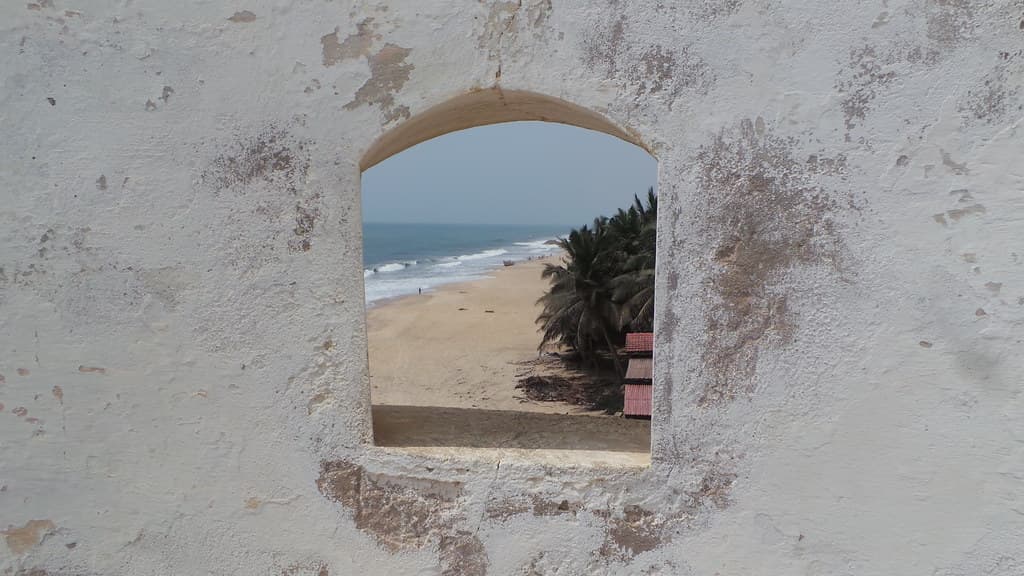
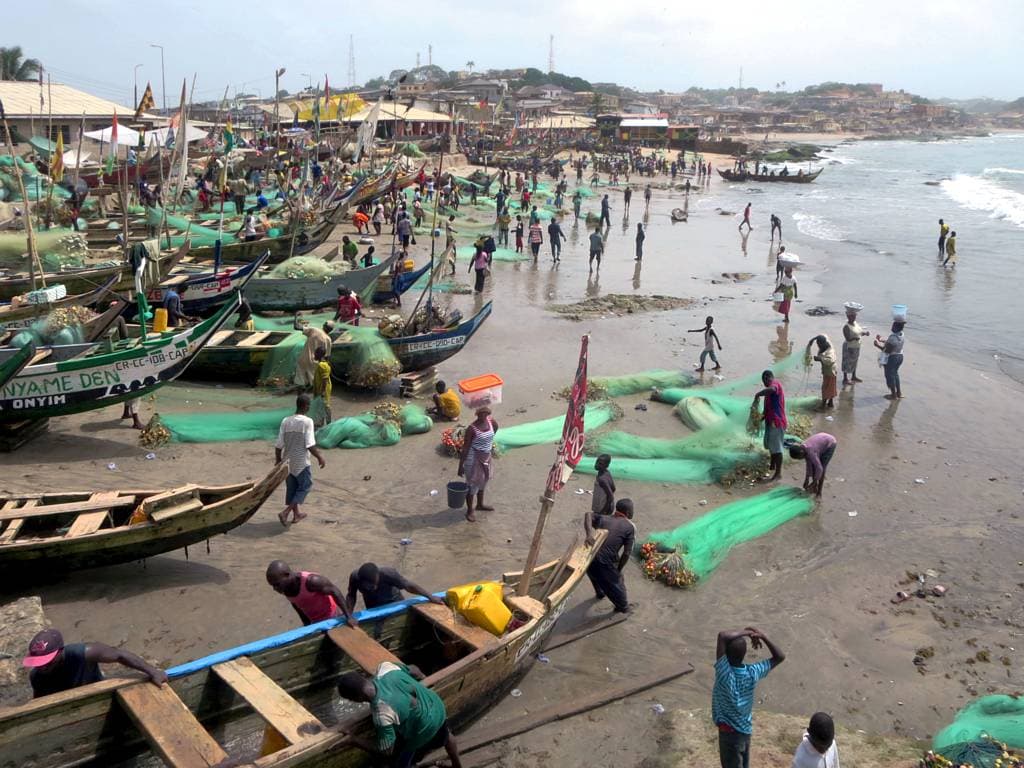
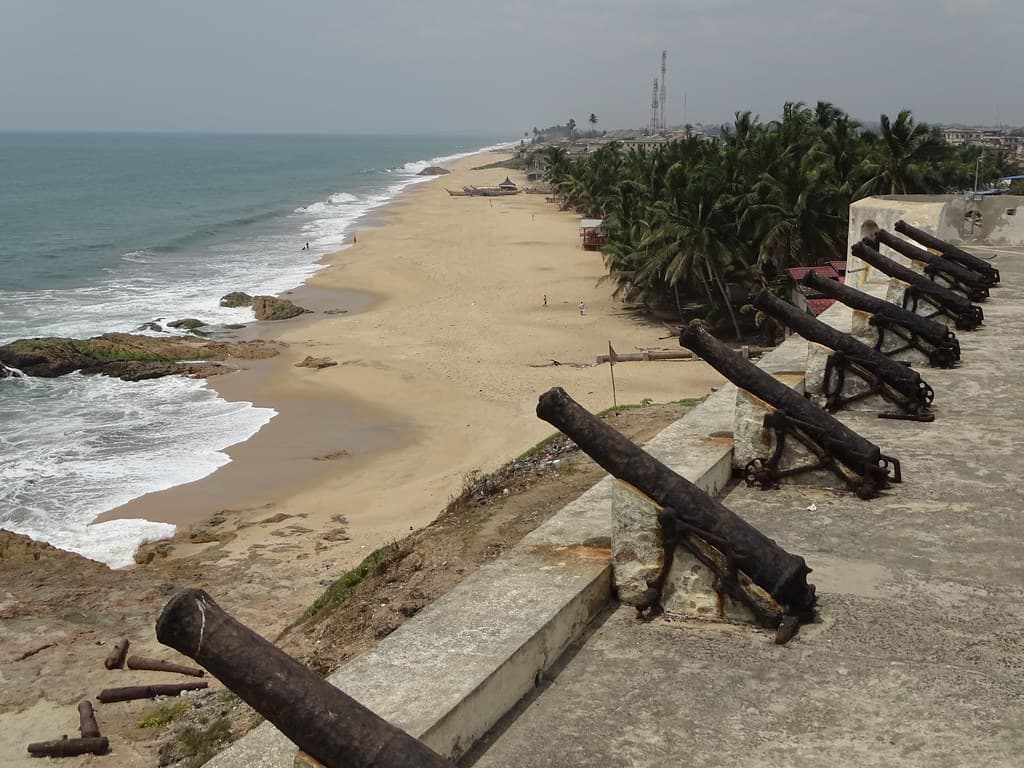
Cape Coast Beach is unlike any other, offering a profound connection between Ghana's rich history and its vibrant contemporary life. Here, the Atlantic laps at the feet of Cape Coast Castle, a UNESCO World Heritage site, creating a powerful tableau where the echoes of the past are almost palpable. It’s a place where you can contemplate the weight of history while simultaneously observing the daily rhythms of a bustling coastal city. The beach itself is an integral part of Cape Coast's urban fabric. Fishermen mend their nets, children play in the shallows, and vendors offer local snacks, all against the dramatic backdrop of the castle's imposing walls. The air is alive with the sounds of the city – distant music, the chatter of market-goers, and the constant roar of the ocean – creating an immersive sensory experience that is distinctly Ghanaian. While not a secluded retreat, Cape Coast Beach offers a unique opportunity for cultural immersion. Take a guided tour of the castle, then step directly onto the sand for a moment of reflection or a leisurely stroll. As evening approaches, the sunsets here are particularly striking, casting a golden glow over the castle and the sea, making it an ideal spot for capturing memorable photographs and experiencing the soul of Cape Coast.
Places, rentals, tours and events within walking and driving distance of Cape Coast Beach.
Photos
Swimming at Cape Coast Beach requires caution due to strong Atlantic currents and undertows that are common along this stretch of Ghana's coast. The beach is more suitable for wading and beach walks than serious swimming. Local authorities and residents generally advise against venturing far into the water, especially for inexperienced swimmers. If you do swim, stay close to shore, never swim alone, and heed any warnings from locals. The urban beach setting means lifeguards are not consistently present. Many visitors prefer to enjoy the beach for its scenic and cultural value rather than swimming.
Cape Coast Beach can be visited year-round given its urban location and the city's attractions, though the dry season (November-March) offers the most comfortable beach weather with sunny days and calmer seas. The beach is particularly beautiful during sunset hours when golden light illuminates Cape Coast Castle and the coastline. Weekdays tend to be quieter than weekends. Even during rainy seasons, the beach remains accessible, and the castle and other heritage sites stay open. Early mornings offer cooler temperatures and opportunities to see local fishermen at work along the shore.
Cape Coast Beach is easily accessible from anywhere in central Cape Coast, as the city is built along the coastline. Most visitors approach via the area around Cape Coast Castle, which sits directly on the shore and serves as the main landmark. You can walk to the beach from most central hotels within 10-20 minutes. Taxis and tro-tros readily navigate the city and can drop you near the castle or beach access points. If staying outside the city center, any taxi driver will know the castle location. Parking is available near the castle for those driving.
Cape Coast offers diverse accommodation options from budget guesthouses to mid-range hotels, many within walking distance of the beach and castle. The city center has numerous restaurants serving Ghanaian dishes, fresh seafood, and international cuisine. Popular local foods include fante fante, fufu, and grilled fish with banku. Street food vendors and chop bars around the market areas offer authentic, budget-friendly meals. Beachside spots and hotel restaurants provide settings with ocean views. The nearby Kotokuraba Market area has many food stalls. Coconut sellers often work along the beach selling fresh coconuts.
Cape Coast Beach is unique for its combination of natural beauty and profound historical significance. The beach runs directly alongside Cape Coast Castle, a UNESCO World Heritage Site and former slave trading post, creating a powerful juxtaposition of scenic ocean views and sobering history. This urban beach offers immediate access to Ghana's best-developed heritage tourism infrastructure, museums, and cultural attractions. The active fishing community provides authentic coastal culture, and the sunset views with the castle silhouette are exceptionally photogenic. It's the only major Ghanaian beach where you can simultaneously experience heritage education and oceanfront scenery.