Counting the waves…
Counting the waves…

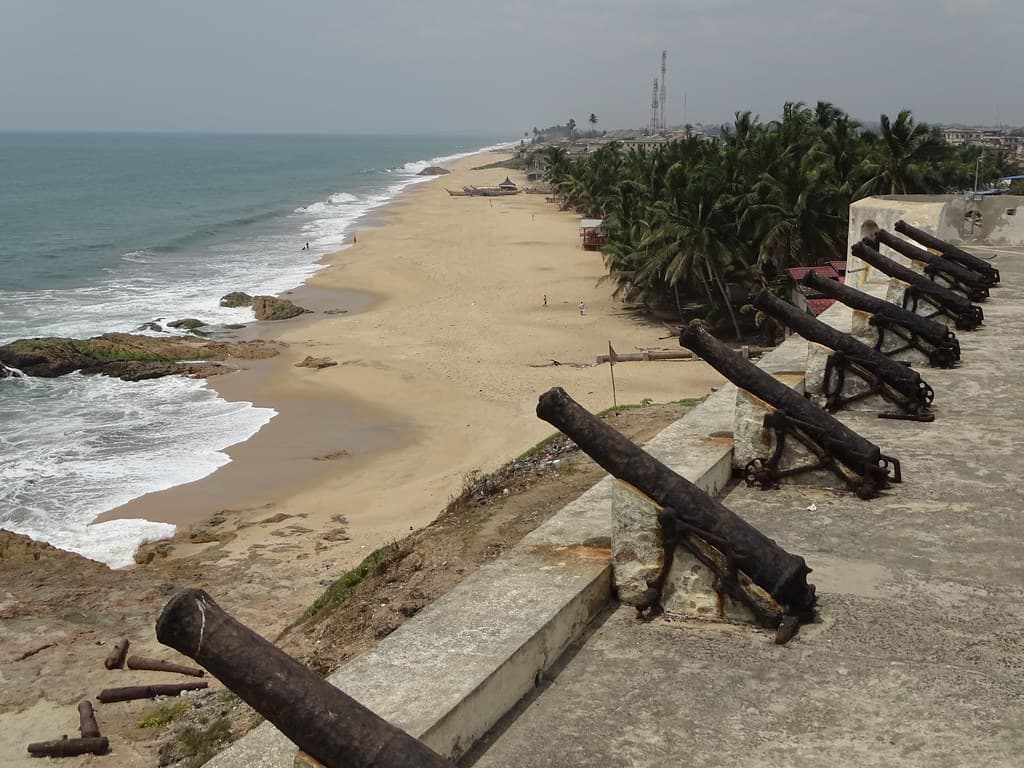
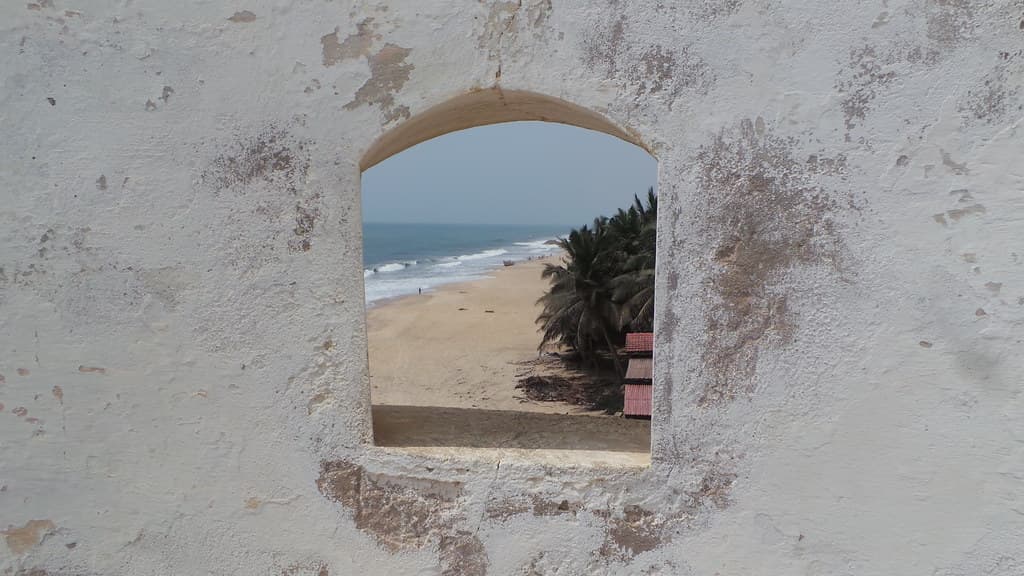
Moree Beach is a lively, authentic Ghanaian shoreline that truly captures the spirit of a bustling fishing community. Unlike secluded coves, this beach is an integral part of Moree town, offering a vibrant, unfiltered glimpse into local life. The broad expanse of golden sand is often dotted with a flotilla of brightly painted fishing canoes, their vibrant hues a striking contrast against the deep blue of the Atlantic. The air here is a rich tapestry of sensory experiences: the salty tang of the ocean, the distant calls of vendors, and the rhythmic sounds of waves breaking on the shore. You'll witness fishermen mending their nets, hauling in the day's catch, and preparing for their next voyage. It's a place where the rhythm of the tides dictates the pace of life, and every moment feels genuinely Ghanaian. Beyond the immediate activity, Moree Beach offers unique vantage points, including distant views of historic castles that dot the coastline, reminding visitors of the region's profound history. As the sun dips below the horizon, the sky transforms into a spectacle of color, casting a warm glow over the bustling scene. It’s a beach that engages all your senses, providing an immersive and unforgettable experience.
Places, rentals, tours and events within walking and driving distance of Moree Beach.
Photos
Moree Beach is generally suitable for families, though standard ocean safety precautions apply. The beach experiences typical Atlantic waves and currents, so supervision of children is essential. There are no official lifeguards, but as an active fishing community beach, there are usually local people around during daylight hours. Swimming is safer during calmer morning periods and the dry season. The beach's urban setting and regular local use provide a sense of security, but valuables should be watched. Avoid swimming during rough weather or when fishermen are actively launching boats.
Moree Beach can be visited year-round, making it convenient for travelers passing through the Cape Coast area. The dry season from November through March offers the most reliable weather with less rain and more sunshine. However, the beach maintains its authentic fishing-town character throughout the year. Early mornings are ideal for witnessing fishing activities and enjoying cooler temperatures. Late afternoons provide excellent opportunities for sunset photography with potential views toward Cape Coast's historic area. Weekdays tend to be less crowded than weekends when more local visitors arrive.
Moree Beach is conveniently located very close to Cape Coast, making it one of the most accessible beaches in the Central Region. From Cape Coast town center, it's approximately 5-7 kilometers east along the coastal road. You can easily hire a taxi or take a tro-tro heading toward Elmina or coastal communities. The short journey takes about 10-15 minutes by car. Once in Moree fishing town, the beach is easily accessible with clear pathways from the main road. The proximity to Cape Coast makes it perfect for a quick beach visit.
Moree town offers basic local food options, including chop bars and street vendors serving traditional Ghanaian meals and fresh seafood from the daily catch. As a working fishing community, you can expect authentic local cuisine at reasonable prices. For more diverse dining and accommodation, Cape Coast is just minutes away, offering numerous hotels, guesthouses, restaurants, and cafes for all budgets. Most visitors use Cape Coast as their base and make a short trip to Moree Beach. Bring drinking water, especially if visiting during midday heat.
Moree Beach stands out as an authentic working fishing community beach with real local character. Unlike more tourist-oriented beaches, here you'll witness daily fishing activities, colorful boats, and genuine coastal life. Its proximity to Cape Coast means you may glimpse views toward the historic castle area from certain points. The beach combines scenic beauty with cultural authenticity, offering visitors insight into traditional Ghanaian fishing culture. The urban-meets-coastal setting provides a different experience from isolated beaches, with the energy of an active community adding vibrancy to your visit.