Counting the waves…
Counting the waves…

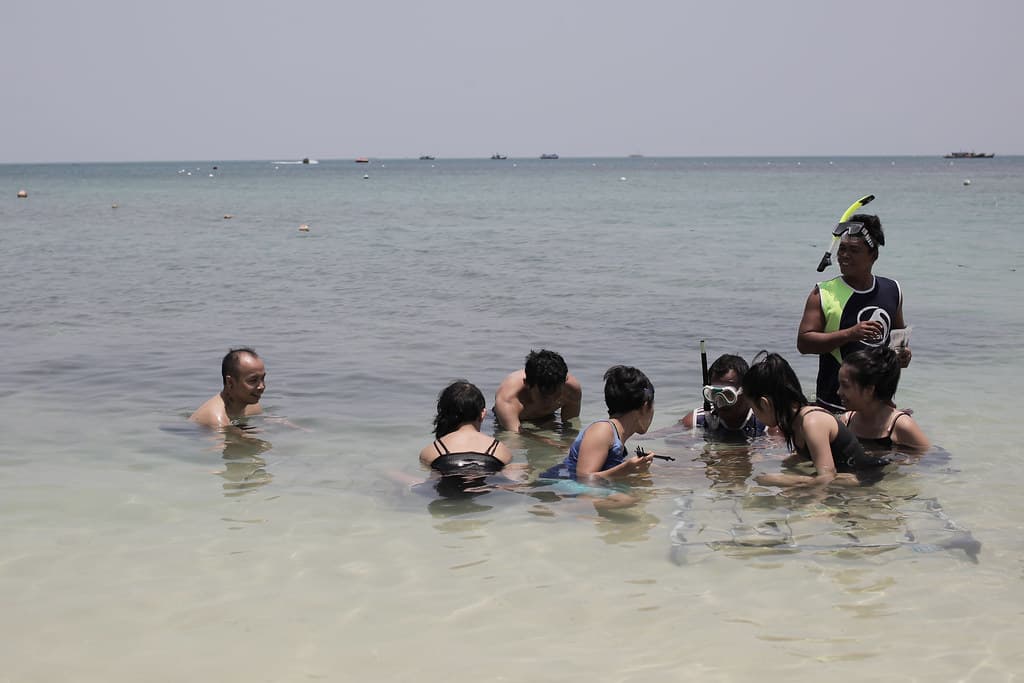
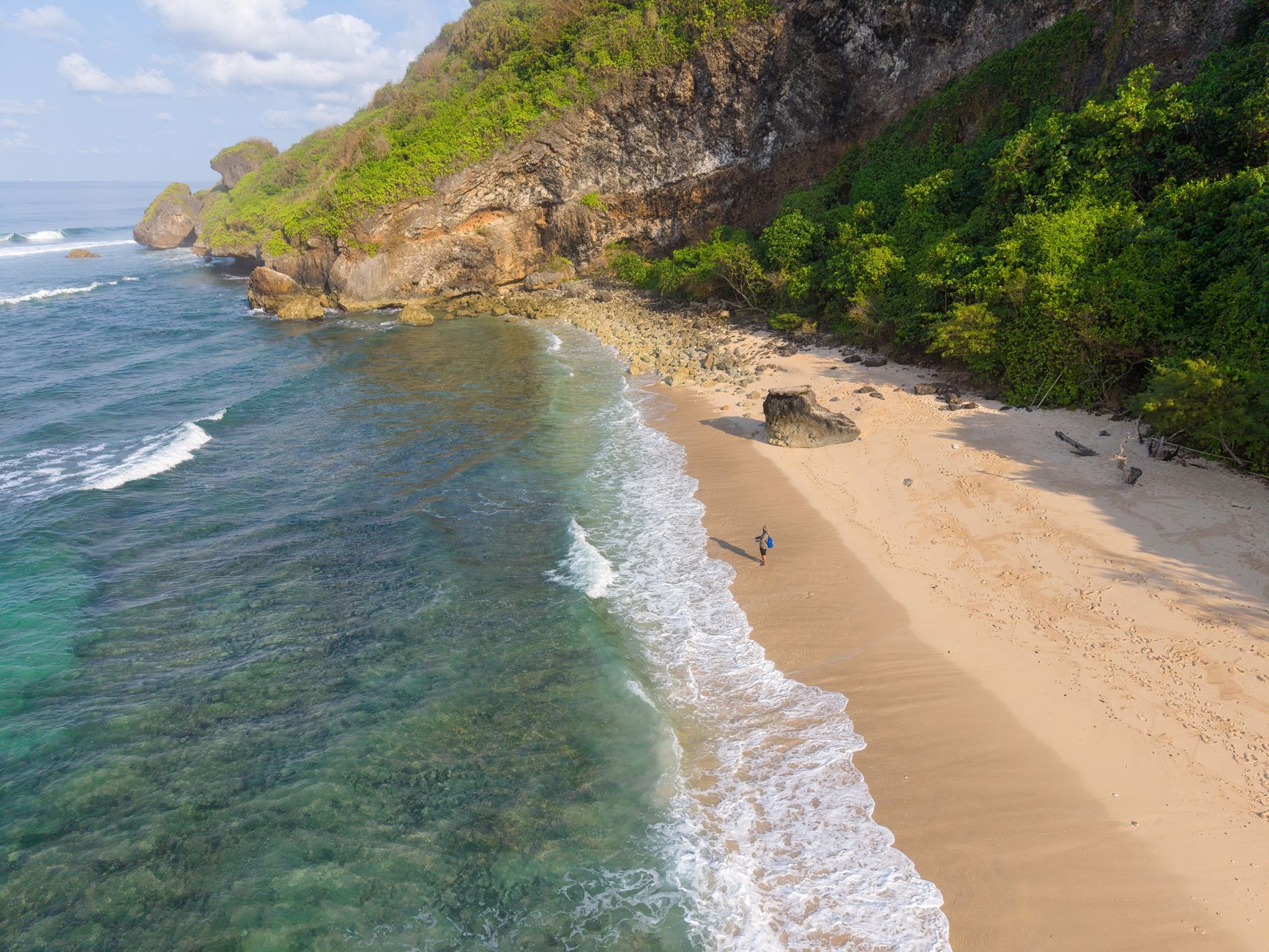
Kabonga Beach unfolds along Donggala's northern shoreline like a secret kept by fishermen and the occasional Indonesian family seeking weekend shade. The beach itself runs narrow and dark, its iron-rich sand absorbing heat by midday, bordered by a fringe of palms that lean seaward as if trying to catch the breeze. You'll notice the water's gradual descent immediately—wading out fifty paces still leaves you knee-deep, the seabed firm and featureless beneath your feet. The shallows here don't reward snorkelers with coral gardens or tropical fish; instead, you get warm, milky-green water that carries the faint smell of salt and seaweed, visibility dropping to an arm's length on cloudy days. But that's precisely the appeal for families with small children, who can splash and float without the anxiety of sudden drop-offs. Wooden fishing boats rest on the sand between trips, their painted hulls faded by sun and salt, while vendors under makeshift tarps grill fresh squid and serve it with sambal that stings your lips. The lack of development means no beach clubs or jet-ski rentals, just a handful of warungs selling cold Bintang and fried rice. You'll share the sand with locals playing volleyball in the late afternoon light, the thwack of the ball punctuating the steady rhythm of small waves. It's a beach that asks nothing of you except to sit still and let the day pass slowly.
Places, rentals, tours and events within walking and driving distance of Kabonga Beach.
Photos
Kabonga Beach is generally safe for swimming and well-suited for families with children. The beach features calm, shallow waters protected from strong currents, making it ideal for wading and gentle swimming. The soft sand and gradual slope into the sea provide a comfortable environment for young swimmers. However, as with any beach, supervision is essential, and it's advisable to check local conditions upon arrival. The uncrowded, peaceful atmosphere makes it particularly appealing for families seeking a relaxed beach experience away from tourist crowds.
Kabonga Beach can be visited year-round due to Central Sulawesi's relatively stable tropical climate. The driest months typically fall between May and October, offering the most reliable sunny weather for beach activities. November through April sees more rainfall, though showers are often brief and interspersed with sunshine. Water temperatures remain warm throughout the year. Since the beach sees fewer visitors overall, you won't encounter significant seasonal crowds. For optimal conditions, aim for the dry season, but the beach remains accessible and enjoyable during other months as well.
Kabonga Beach is located in Donggala Regency, approximately 30-40 kilometers north of Palu, the provincial capital of Central Sulawesi. You can reach it by renting a car or motorcycle from Palu, or hiring a local driver for the journey, which takes about an hour. The route follows the coastal road northward. Parking is typically available near the beach, though facilities may be basic given the area's low-key nature. Public transportation options are limited, so private transport is recommended for flexibility and convenience.
Kabonga Beach has limited on-site facilities due to its hidden, undeveloped character. Small local warungs (food stalls) may be found nearby serving Indonesian dishes and fresh seafood, though options can be inconsistent. It's advisable to bring snacks and water. Accommodation is sparse directly at the beach; most visitors stay in Donggala town or return to Palu, where hotels, guesthouses, and restaurants are more readily available. If planning a day trip, pack supplies and plan to return to larger towns for meals and overnight stays.
Kabonga Beach remains relatively unknown to international tourists due to Central Sulawesi's remote location and limited tourism infrastructure compared to Bali or other Indonesian destinations. The beach hasn't been heavily marketed or developed, preserving its natural, uncommercialized state. This low visibility means fewer crowds and an authentic local atmosphere, perfect for travelers seeking undiscovered destinations. The lack of major resorts and tour operators keeps it off typical tourist circuits, making it a genuine hidden gem for those willing to venture beyond mainstream Indonesian beach destinations.