Counting the waves…
Counting the waves…

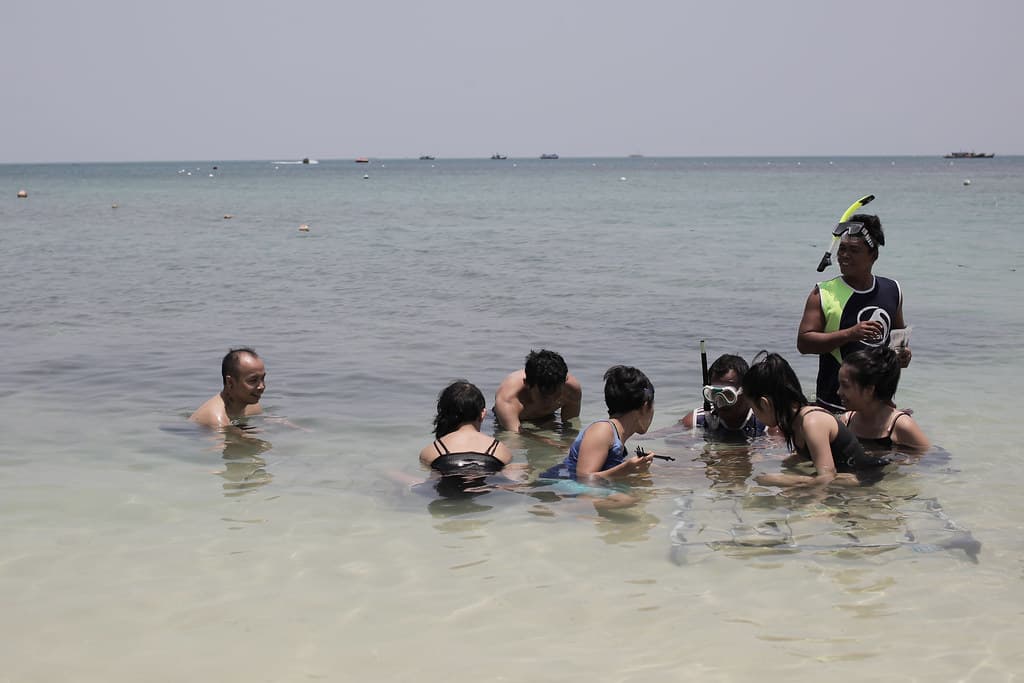
The drive north from Palu traces the curve of Makassar Strait, where the mountains of Central Sulawesi meet the sea in a rumple of green hills and fishing hamlets. Pusat Laut Beach announces itself not with signage but with the sight of wooden boats pulled onto shore, their hulls painted in faded blues and reds, nets spread to dry beneath the sun. The beach itself stretches narrow and long, fringed by palms and the occasional cluster of bamboo shelters where local families gather on weekends. Mornings bring a parade of fishermen returning with their catch—snapper, tuna, and the occasional squid—which you can buy directly from the boats or wait to see sizzling at the simple warungs that line the access road. The water here stays calm most of the year, protected by offshore reefs that keep the swells gentle and the visibility modest. You won't find the gin-clear conditions of eastern Indonesia's dive meccas, but you will find something increasingly rare: a working beach where daily rhythms haven't been rewritten for visitor expectations. The best hours arrive late afternoon, when the heat softens and locals emerge for their evening mandi, children splashing in the shallows while their parents sit on woven mats beneath the trees. Stay through dusk and you'll watch the fishing boats motor out again, their kerosene lamps swaying like slow fireflies as they head toward the night's work.
Places, rentals, tours and events within walking and driving distance of Pusat Laut Beach.
Photos
Swimming conditions at Pusat Laut Beach generally depend on the season and weather. As with many beaches in Central Sulawesi, calm conditions are typical during dry months, but currents can strengthen during monsoon periods. Always observe local conditions before entering the water, as this lesser-known beach may not have lifeguards on duty. Check with nearby locals or your accommodation about current conditions. Avoid swimming during rough weather or strong winds, and stay close to shore if you're unfamiliar with the area.
Pusat Laut Beach can be visited year-round, though the dry season from May to October typically offers the most reliable weather with calmer seas and clearer skies. The wet season from November to April brings more rainfall and potentially rougher ocean conditions, though mornings are often pleasant. Central Sulawesi's equatorial climate means temperatures remain warm throughout the year. For optimal beach conditions and swimming, plan your visit during the drier months when the sea is calmer and sunshine is more consistent.
Pusat Laut Beach is located in the Donggala Regency area of Central Sulawesi. Most visitors reach the region via Palu, the provincial capital, then travel by road to Donggala and surrounding beaches. Local transport options typically include hired cars, motorbikes, or ojeks (motorcycle taxis). As a less-developed beach, road access and parking facilities may be basic. Consider arranging transportation through your hotel or hiring a local driver who knows the area, especially if you're unfamiliar with the region's roads.
As a hidden, low-visibility beach, Pusat Laut Beach likely has limited commercial development directly on-site. Donggala town and nearby coastal areas offer basic accommodations and local warungs (small restaurants) serving Indonesian cuisine, particularly fresh seafood. For more dining and lodging options, Palu city provides a wider range of hotels and restaurants, though it requires additional travel time. If visiting for the day, consider bringing snacks and water, as beachside amenities may be minimal or non-existent at this remote location.
Pusat Laut Beach's defining characteristic is its low visibility and hidden status, meaning it remains relatively undiscovered compared to more popular Central Sulawesi beaches. This obscurity translates to fewer crowds and a more untouched atmosphere, appealing to travelers seeking authentic, off-the-beaten-path experiences. The beach offers a glimpse of local coastal life without heavy tourist infrastructure. However, this also means fewer facilities and services, so visitors should come prepared and not expect the conveniences of more developed beach destinations in the region.