
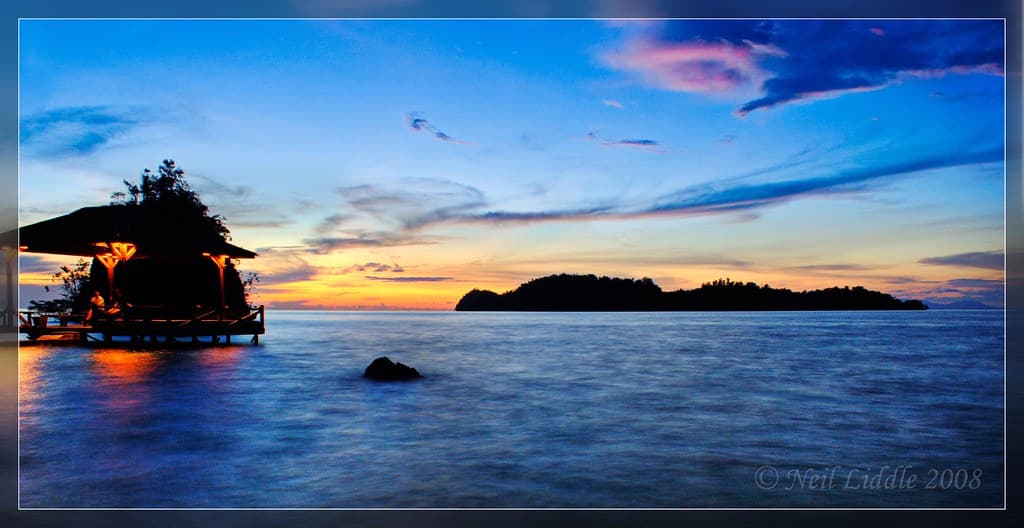
Kadidiri sits on the eastern edge of the Togian archipelago, a place the modern world forgot to pave. You reach it by boat from Wakai, a two-hour chug past forested islets and fishing platforms anchored in cobalt water. The beach curves gently along the island's northern shore, fringed by a loose stand of palms and the occasional wooden pier belonging to a dive lodge. There are perhaps half a dozen guesthouses total, their bamboo walkways creaking under bare feet.
“One of Indonesia's last wholly unbridged island clusters, where arrival still depends on wooden boats and diesel drums.”
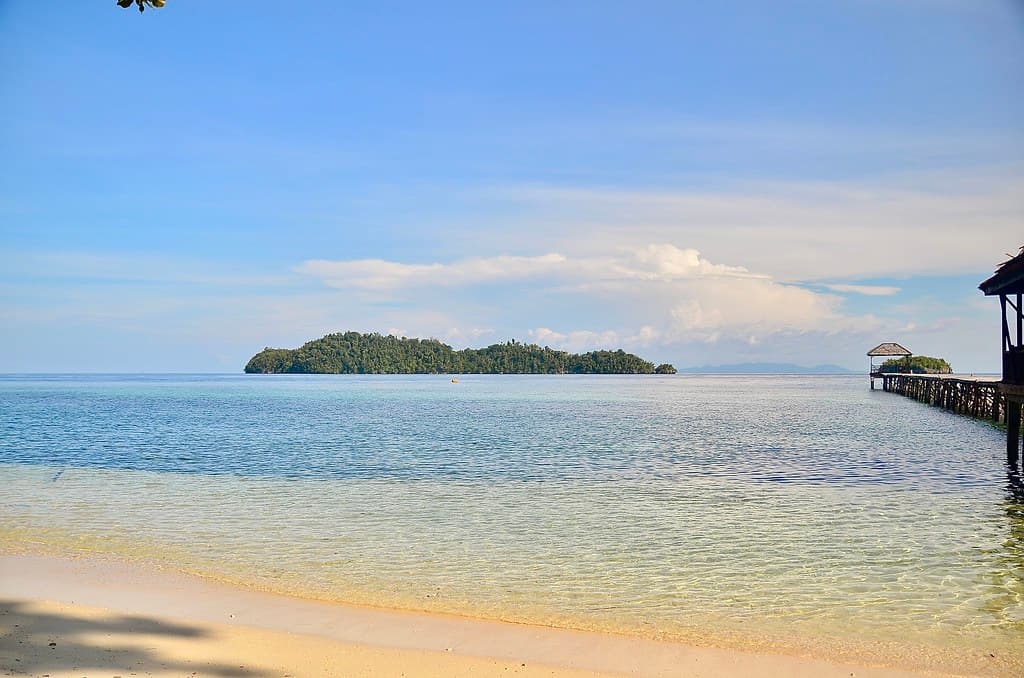 Credit: Flickr
Kadidiri Island, Indonesia
The real draw lies just offshore. The reef begins in waist-deep water, sloping into channels thick with parrotfish, lionfish, and passing turtles. By mid-morning, local Bajo fishermen paddle dugout canoes across the shallows, spear guns balanced on the gunwales. You'll share the sand with wandering chickens and the occasional monitor lizard sunning itself near the tideline.
Evening is a theater of color. The sky melts from tangerine to plum as the generator hums to life at your guesthouse. Dinner is grilled tuna, rice, and kangkung, eaten at a communal table lit by kerosene lamps. Afterward, the Milky Way appears in full, uncut by light pollution, as if someone tipped a jar of salt across black silk.


