Counting the waves…
Counting the waves…

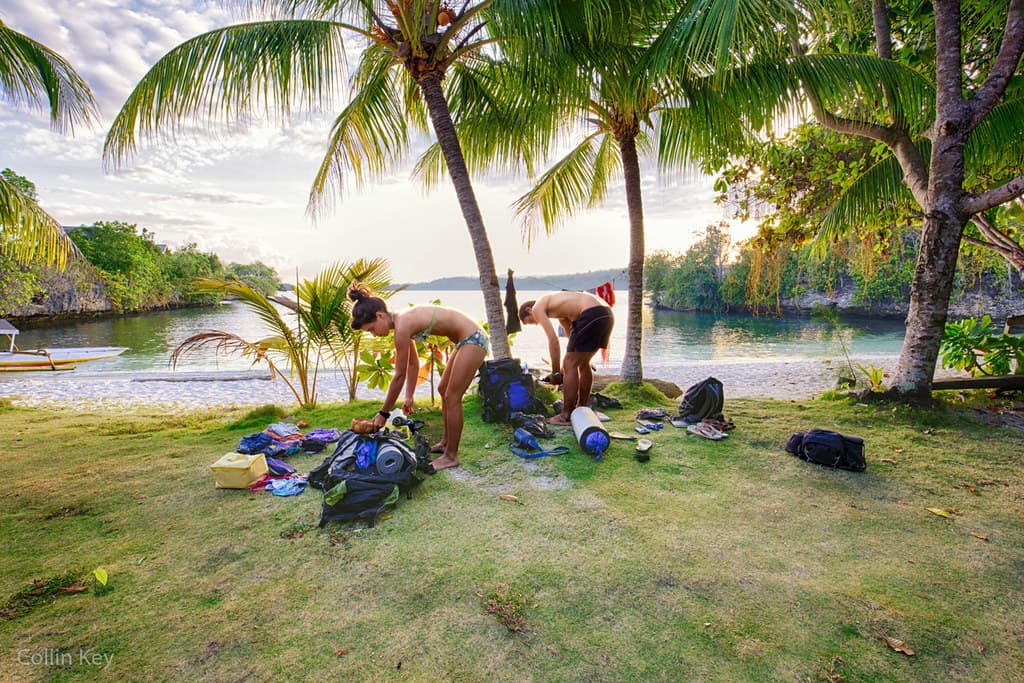
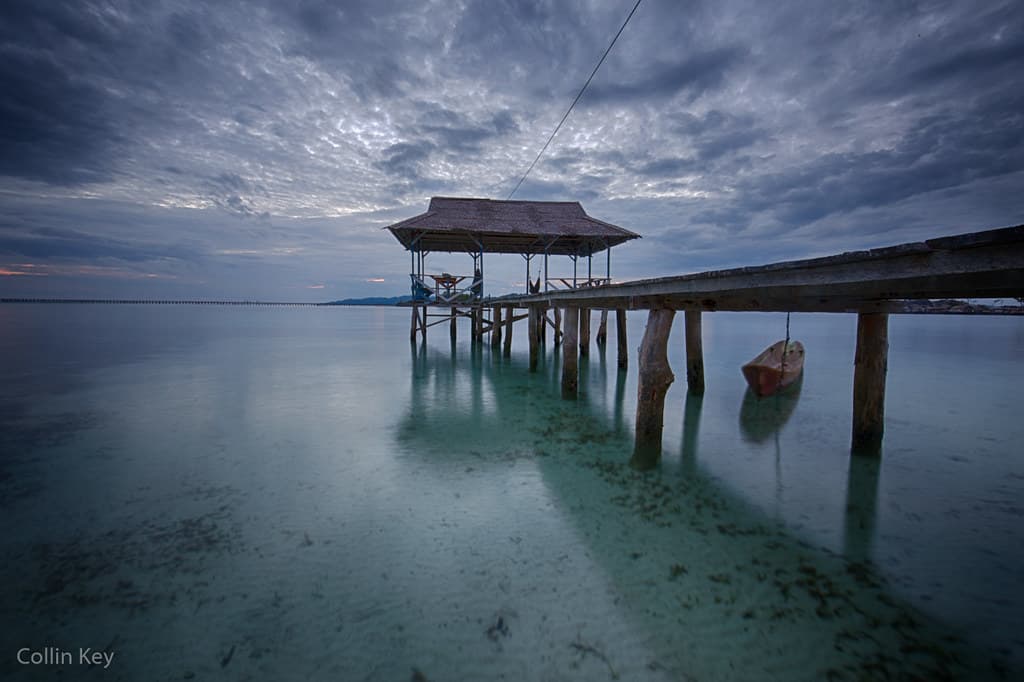
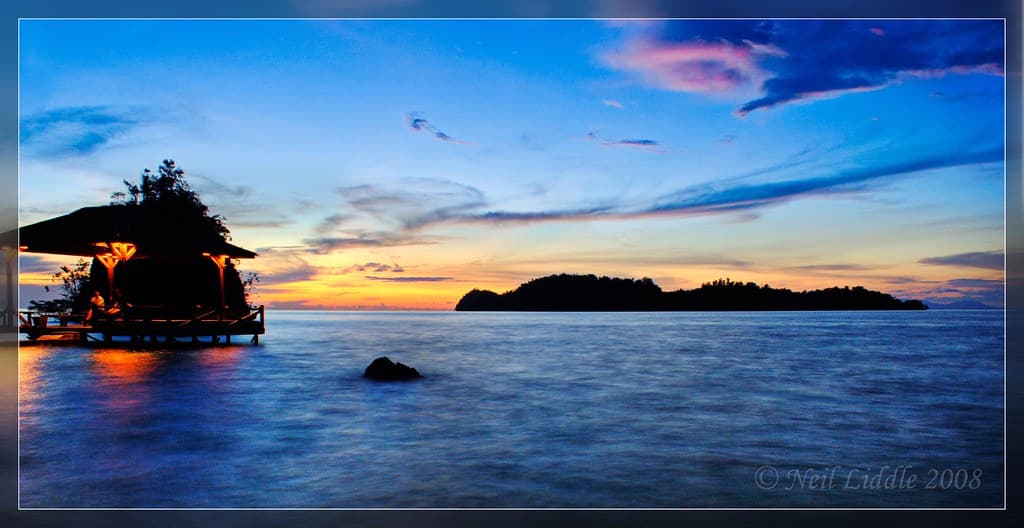
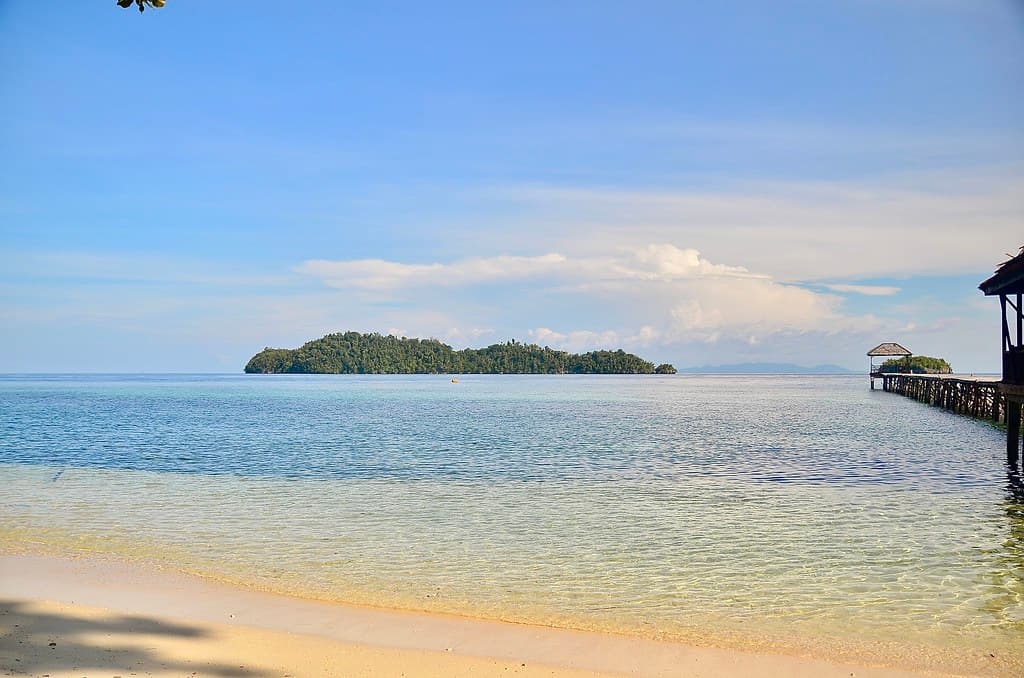
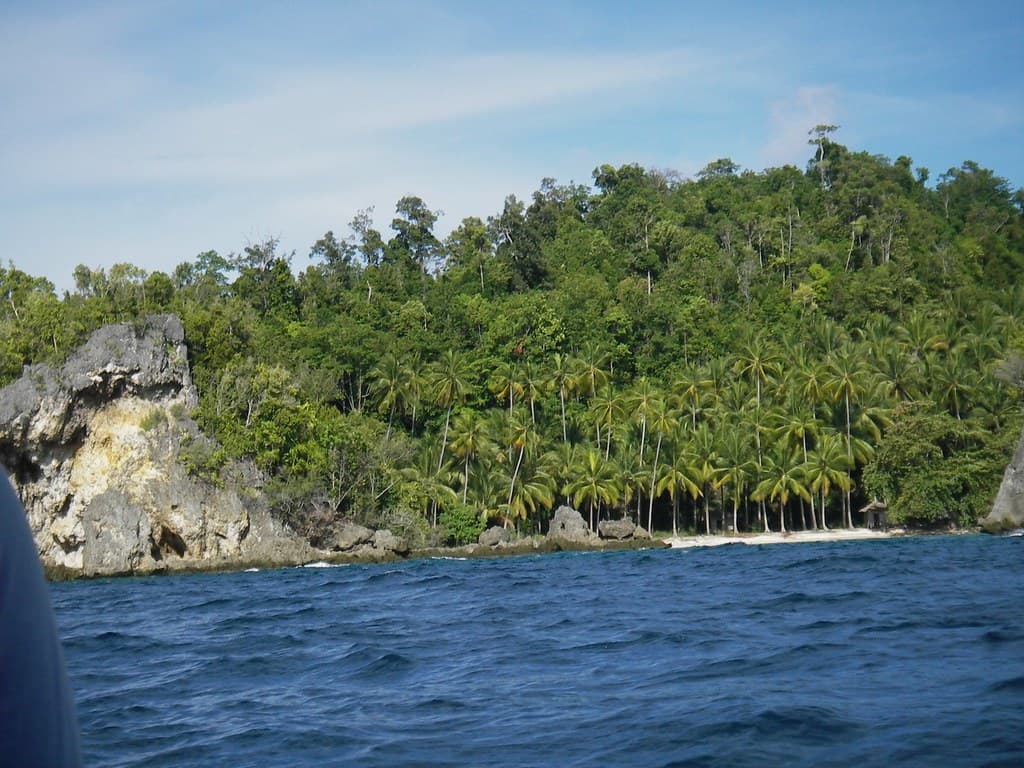
Kadidiri sits on the eastern edge of the Togian archipelago, a place the modern world forgot to pave. You reach it by boat from Wakai, a two-hour chug past forested islets and fishing platforms anchored in cobalt water. The beach curves gently along the island's northern shore, fringed by a loose stand of palms and the occasional wooden pier belonging to a dive lodge. There are perhaps half a dozen guesthouses total, their bamboo walkways creaking under bare feet. The real draw lies just offshore. The reef begins in waist-deep water, sloping into channels thick with parrotfish, lionfish, and passing turtles. By mid-morning, local Bajo fishermen paddle dugout canoes across the shallows, spear guns balanced on the gunwales. You'll share the sand with wandering chickens and the occasional monitor lizard sunning itself near the tideline. Evening is a theater of color. The sky melts from tangerine to plum as the generator hums to life at your guesthouse. Dinner is grilled tuna, rice, and kangkung, eaten at a communal table lit by kerosene lamps. Afterward, the Milky Way appears in full, uncut by light pollution, as if someone tipped a jar of salt across black silk.
Places, rentals, tours and events within walking and driving distance of Kadidiri Beach.
Photos
Kadidiri Beach generally offers safe swimming conditions with calm, clear waters typical of the Togean Islands archipelago. The beach is protected by surrounding reefs, creating gentle conditions ideal for snorkeling and swimming. However, always check local conditions before entering the water, as currents can vary. The beach's remote location means no lifeguards are present, so swim cautiously. The bigger draw here is actually the exceptional snorkeling right off the beach, where you can see healthy coral reefs and diverse marine life in shallow waters.
Kadidiri Beach can be visited year-round, though the dry season from April to October typically offers the best conditions with calmer seas and more sunshine. The wettest months are December through February, but even then, rain usually comes in short bursts. Water visibility for snorkeling and diving is generally excellent throughout the year. Since Central Sulawesi sits near the equator, temperatures remain consistently warm. Visit during shoulder months like April-May or September-October for fewer visitors while still enjoying favorable weather conditions.
Reaching Kadidiri Beach requires multiple steps. First, fly to Luwuk or Ampana on mainland Sulawesi (typically via Makassar or Palu). From Ampana, take a public ferry or private speedboat to Kadidiri Island—public ferries run several times weekly and take 4-6 hours, while speedboats cost more but reduce travel time to about 2 hours. There are no roads or vehicles on Kadidiri Island itself; the small island is explored on foot. Book boat transfers through your accommodation in advance, as schedules can be irregular.
Kadidiri Island has several small eco-resorts and guesthouses along the beach offering basic to mid-range accommodation, typically in simple bungalows or beach huts. Most lodges include meals in their rates, serving fresh seafood and Indonesian cuisine—there are no standalone restaurants on the island. Facilities are rustic with limited electricity (usually only evenings) and basic amenities, reflecting the island's off-grid nature. Book accommodation well in advance, especially during peak season. Bring cash, as there are no ATMs on the island and card payments aren't accepted.
Kadidiri Beach and the surrounding Togean Islands are famous for non-stinging jellyfish that can be found in nearby marine lakes, particularly Jellyfish Lake on Kakaban Island. While you won't typically encounter these unique jellyfish directly at Kadidiri Beach itself, many visitors base themselves here to arrange boat trips to these special jellyfish snorkeling sites. The beach's house reef offers excellent coral gardens and tropical fish viewing. Ask your accommodation about organizing jellyfish lake excursions as part of island-hopping tours around the Togean archipelago.