Counting the waves…
Counting the waves…

Talise Beach stretches along Palu's western edge, a rare urban coastal strip where the city doesn't just face the water—it lives on it. You'll walk a paved promenade that runs parallel to the shore, flanked by food stalls selling pisang epe (grilled banana smothered in palm sugar) and ikan bakar wrapped in banana leaves. The beach itself is gray volcanic sand, modest in width but generous in atmosphere, with local families setting up beneath rented umbrellas while teenagers play volleyball in the late afternoon heat. The Makassar Strait spreads out before you, deceptively calm, its tidal flats exposed at low water. Mount Gawalise rises to the south, a volcanic sentinel that frames every sunset photograph. This isn't a beach for solitude or coral gardens—it's where Palu comes to exhale after work, where the city's social life spills onto the sand. You'll notice the earthquake memorial plaques embedded along the boardwalk, quiet reminders of the 2018 tsunami that reshaped this coastline and the community's resilience in rebuilding it. Come during the golden hour when the promenade fills with cyclists and the food vendors fire up their grills. The water stays shallow for dozens of meters, making it forgiving for children, and the lack of strong currents means you can wade without worry. This is beach life as daily ritual, not vacation fantasy—and that's precisely its charm.
Places, rentals, tours and events within walking and driving distance of Talise Beach.
Photos
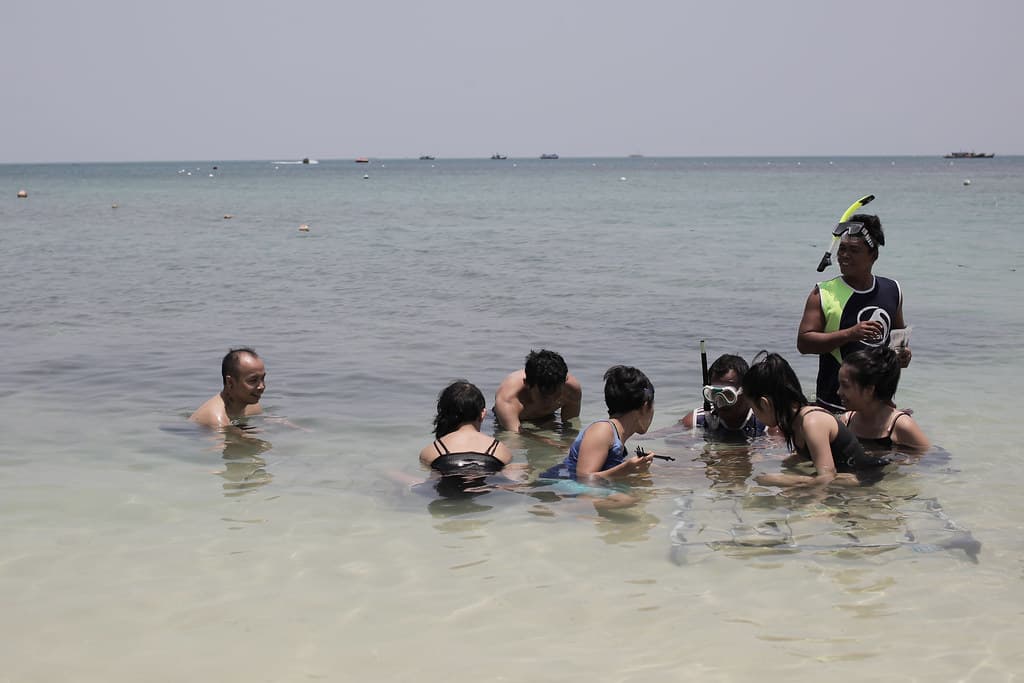
Swimming conditions at Talise Beach require caution. The beach was significantly affected by the 2018 tsunami, and while it has been rehabilitated as a public space, strong currents can be present. The beach is more popular for strolling, jogging, and enjoying sunsets rather than swimming. Local authorities have improved safety infrastructure, but always observe posted warnings and consult locals about current conditions. The shallow waters near shore are generally calmer, but supervision of children is essential.
Talise Beach can be visited year-round due to Palu's consistently warm tropical climate. However, the dry season from May to October typically offers the most pleasant conditions with less rainfall and calmer seas. Early morning (6-9 AM) and late afternoon (4-7 PM) are ideal times to avoid intense midday heat. Weekends see more local families, while weekdays are quieter. Sunset viewing is particularly popular, as the beach faces west across Palu Bay, offering spectacular evening views.
Talise Beach is located in downtown Palu, making it easily accessible from anywhere in the city. It's about 10-15 minutes by car or motorcycle from the city center along Jalan Raden Saleh. Public angkot (minibuses) and ojek (motorcycle taxis) regularly serve the area. There are designated parking areas along the beachfront promenade, though spaces can fill up during weekends and evenings. Many visitors also walk or cycle to the beach from nearby neighborhoods.
Talise Beach has a bustling promenade with numerous food stalls and warungs selling local snacks, fresh coconuts, grilled seafood, and Indonesian favorites. The area comes alive in the evening when more vendors appear. Basic facilities include public restrooms and prayer rooms. Several hotels and guesthouses are located within walking distance in central Palu. Small shops sell drinks and snacks. The beach park has benches, walking paths, and shaded areas under palm trees for relaxation.
Talise Beach features a prominent tsunami monument and memorial park commemorating the devastating September 2018 earthquake and tsunami that struck Palu. The monument serves as both a remembrance site for victims and an educational space about the disaster. Visitors can see the rehabilitated beachfront, which has been rebuilt with improved infrastructure and tsunami evacuation routes. The site stands as a testament to the community's resilience and recovery, making it a meaningful destination beyond just recreation.