Counting the waves…
Counting the waves…

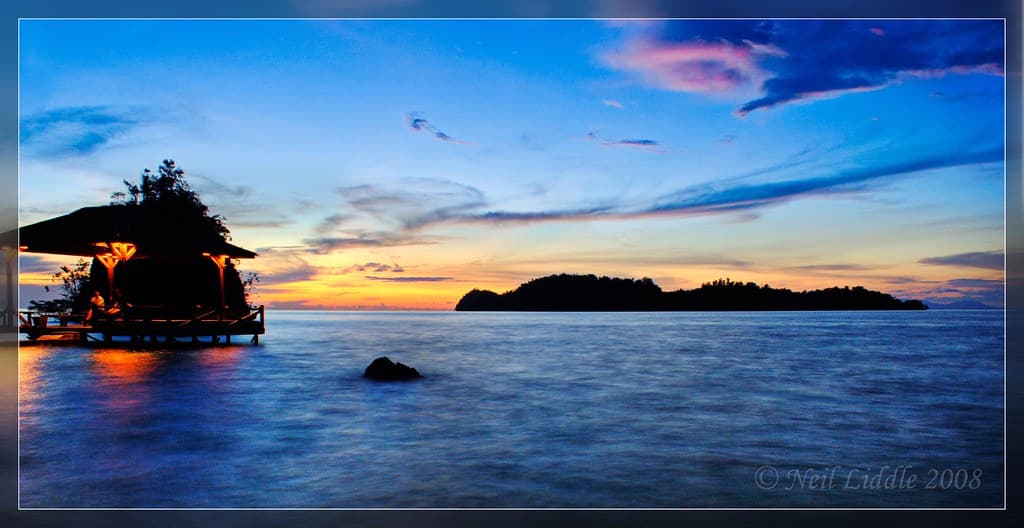
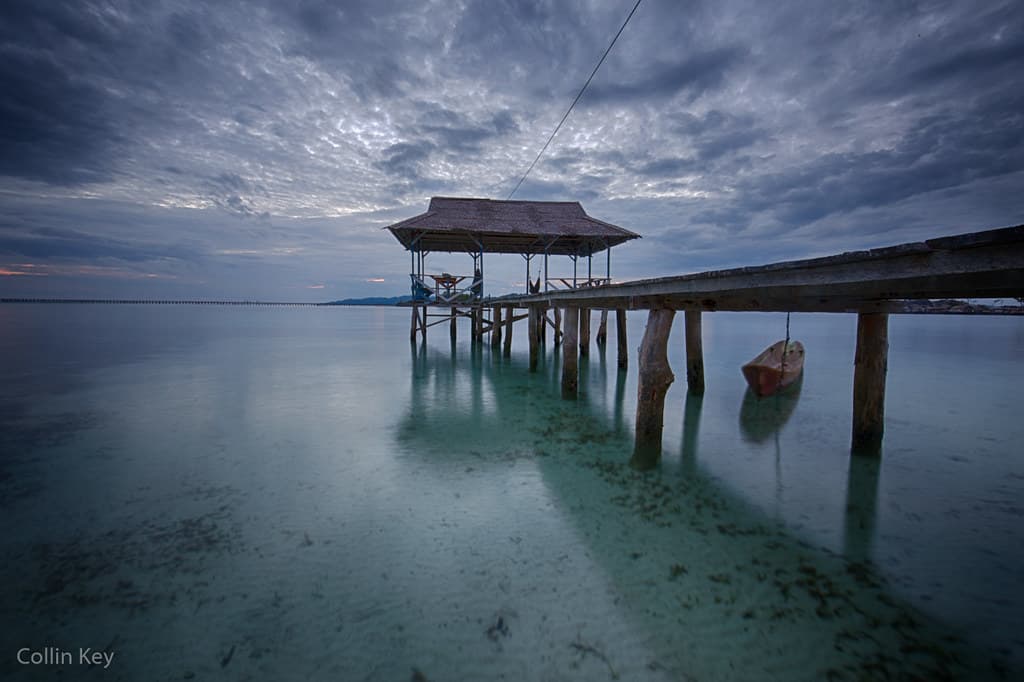
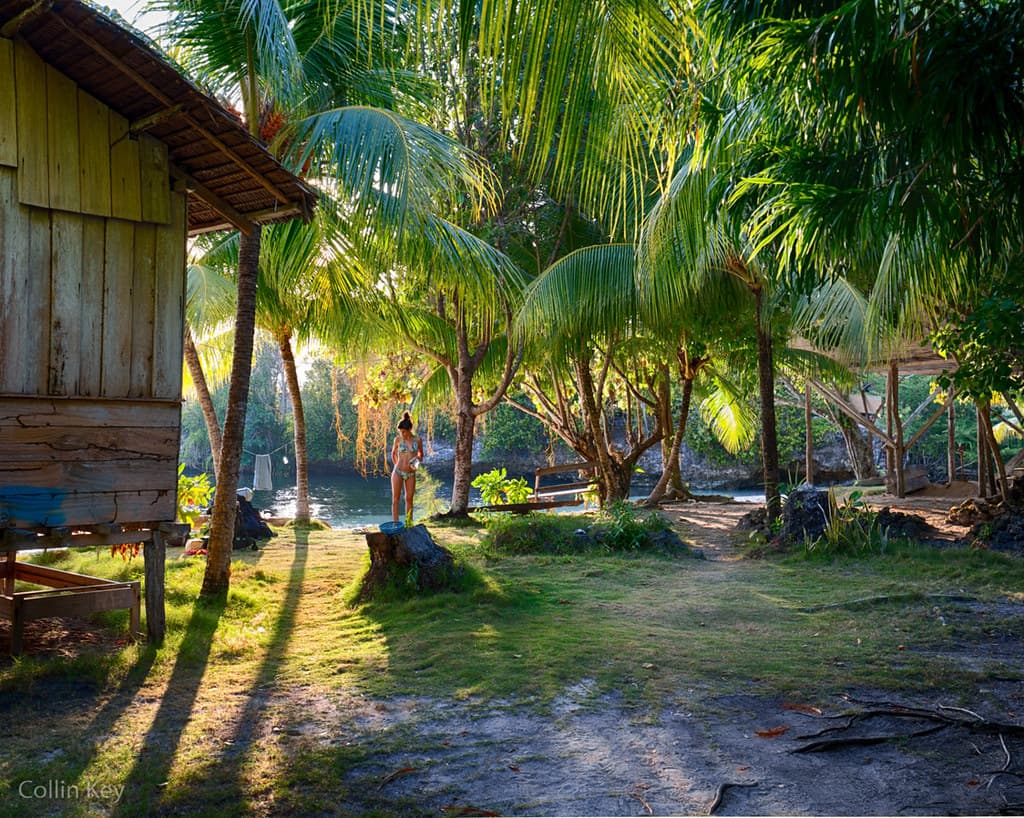
The Togean Islands float in Tomini Bay like a scattered handful of green jewels, and Poya Lisa Beach occupies a hushed corner of this seldom-visited archipelago. You arrive by wooden longboat, the kind local families use to visit neighboring islands, and step onto sand that's part crushed shell, part powdered coral. Coconut palms tilt at improbable angles, their fronds casting lace shadows across the tide line, while the water—bath-warm year-round—stretches in shades of jade and aquamarine over gardens of staghorn and table coral. This is Indonesia before the tour buses: a place where Bajau fisherfolk mend nets in the late afternoon, where the only soundtrack is the rhythmic slap of water against wooden stilts, and where you're more likely to share the beach with a family grilling fresh tuna than with another traveler. The reef begins just a few strokes from shore, shallow enough that you can stand and watch parrotfish nibble at coral heads, then glide over drop-offs where the seafloor disappears into indigo. Because the Togeans remain off most itineraries—reachable only by a six-hour ferry from Ampana or chartered boat—Poya Lisa retains the unhurried rhythm of island life. Guesthouses are simple: bamboo bungalows with solar-charged batteries, meals served family-style at communal tables. You'll fall asleep to the sound of waves nudging the shore and wake to the scent of clove cigarettes and sweet black coffee drifting from the village kitchen.
Places, rentals, tours and events within walking and driving distance of Poya Lisa Beach.
Photos
Poya Lisa Beach generally offers calm, safe swimming conditions thanks to its protected location within the Togean Islands archipelago. The waters are typically clear with gentle currents, making it suitable for most swimmers and snorkelers. However, conditions can vary with weather and tides, so always assess the water before entering. There are no lifeguards on duty, and medical facilities are limited on the islands, so exercise appropriate caution. The coral reefs near the beach are fragile—avoid standing on them while swimming or snorkeling.
Poya Lisa Beach can be visited year-round, as the Togean Islands experience relatively stable tropical weather. The driest months are typically May through October, offering the best conditions for beach activities and island hopping. November through April sees more rainfall, though it's usually in short bursts rather than all-day downpours. Seas are generally calmer during the dry season, making boat transfers more comfortable. Visiting during weekdays or outside Indonesian holiday periods ensures a quieter, more peaceful experience at this remote beach destination.
Reaching Poya Lisa Beach requires multiple stages of travel. First, fly to Palu or Luwuk in Central Sulawesi, then travel overland to Ampana port (the main gateway to the Togean Islands). From Ampana, take a public ferry or private boat to the Togean Islands—journey times vary from 4-8 hours depending on the vessel and route. Once in the Togeans, arrange local boat transport to Poya Lisa Beach, as locations are spread across the archipelago. There are no roads or parking facilities; all transportation is by boat.
Poya Lisa Beach and the surrounding Togean Islands offer basic accommodation options, typically small guesthouses and homestays with simple beachfront bungalows. Facilities are rustic with limited electricity (often generator-powered for a few hours daily) and basic amenities. Most lodgings include meals in their packages, serving Indonesian dishes and fresh seafood. Don't expect restaurants, shops, or ATMs—bring sufficient cash and essentials from the mainland. The remote nature means fewer tourists and an authentic, undeveloped island experience. Book accommodation in advance when possible.
The Togean Islands, including waters around Poya Lisa Beach, are renowned for exceptional marine biodiversity. Snorkelers can encounter vibrant coral reefs with diverse fish species, sea turtles, reef sharks, and occasionally dolphins. The islands sit at the convergence of different ocean currents, creating rich ecosystems. Some areas feature rare coral formations and unique species found nowhere else. The relatively undeveloped nature of the Togeans means healthier reefs compared to more touristed Indonesian destinations. Bring your own snorkel gear, as rental equipment may be limited or unavailable.