Counting the waves…
Counting the waves…

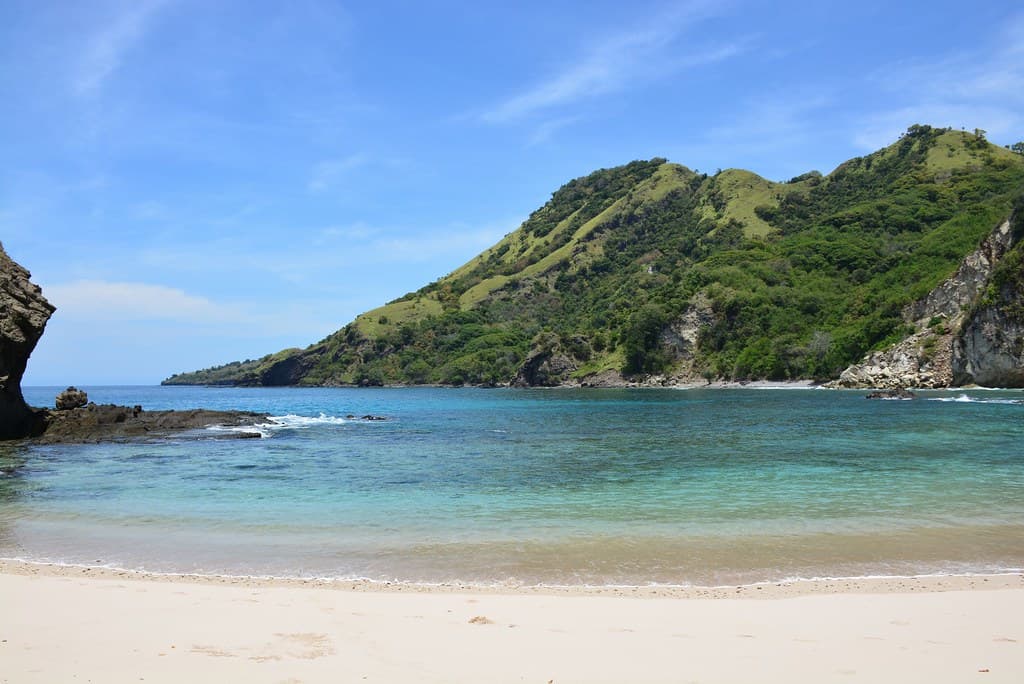
The drive from Ende town takes twenty minutes along a winding coastal road that dips toward the sea just as most travelers speed past toward Kelimutu's tricolored lakes. Pull over where you see a cluster of stilt houses and a narrow path descending to the beach, and you'll have Penggajawa nearly to yourself. The black volcanic sand radiates heat underfoot by midday, while the shallows stay surprisingly cool—a temperature contrast that makes wading feel like slipping between two worlds. Outrigger canoes line the high-tide mark, their hulls painted in faded blues and greens, and fishing nets dry on bamboo racks that cast geometric shadows across the shore. The beach curves gently eastward, framed by low hills covered in scrub and the occasional lontar palm. You won't find beach clubs or even a warung here; bring your own water and snacks, and plan to share the sand with a handful of fishermen who launch their boats in the early morning and again at dusk. The water deepens gradually, making it safe for long wades rather than committed swims. Underwater, smooth volcanic stones catch the light, and small silver fish dart between your legs. Stay through late afternoon when the light turns amber and the Sawu Sea flattens into a mirror, reflecting the hills behind you. It's the kind of beach that rewards those who take the detour—the ones who understand that sometimes the best coastline is the one nobody's racing to post about.

Places, rentals, tours and events within walking and driving distance of Penggajawa Beach.
Photos
Swimming conditions at Penggajawa Beach vary depending on tides and weather. The beach typically has moderate waves, making it suitable for experienced swimmers during calm conditions. However, always assess current conditions before entering the water, as currents can be strong during certain times. The beach is relatively undeveloped without lifeguards on duty, so exercise caution and avoid swimming alone. Check with locals about current conditions, and be mindful of the rocky areas along parts of the shoreline that can make entry challenging.
Penggajawa Beach can be visited year-round, though the dry season from May to September typically offers the most favorable conditions with less rainfall and calmer seas. Ende's coastal location means temperatures remain relatively stable throughout the year. The wet season (December to March) brings occasional heavy rains but also dramatic skies and fewer visitors. Early mornings provide the best light for photography and cooler temperatures. Weekdays are generally quieter than weekends when local families may visit this hidden gem.
Penggajawa Beach is located approximately 30-40 minutes by road from Ende town center. You'll need a motorbike or car to reach the beach, as public transportation options are limited. The road conditions can vary, with some sections potentially rough, particularly during rainy periods. Follow the coastal road heading east from Ende, and ask locals for directions as signage may be minimal. Informal parking is typically available near the beach access point, though facilities are basic given the beach's relatively undeveloped nature.
Penggajawa Beach has minimal tourist infrastructure directly on-site. You'll find limited food vendors or warungs (small local eateries) depending on the day and season, so it's advisable to bring your own snacks and water. For meals and accommodation, you'll need to stay in Ende town, which offers various hotels, guesthouses, and restaurants ranging from budget to mid-range options. The beach is best visited as a day trip from Ende, allowing you to enjoy its secluded beauty while having access to proper amenities in town.
Penggajawa Beach stands out for its dramatic natural scenery, featuring unique rock formations and striking black volcanic sand characteristic of Flores' coastline. Unlike more developed beaches, it retains an untouched, tranquil atmosphere with minimal crowds, making it ideal for travelers seeking solitude and authentic coastal landscapes. The beach offers excellent opportunities for photography, particularly the contrast between dark sand, turquoise waters, and surrounding cliffs. Its off-the-beaten-path location means you'll likely have large stretches to yourself, providing a genuine hidden gem experience in East Nusa Tenggara.