Counting the waves…
Counting the waves…
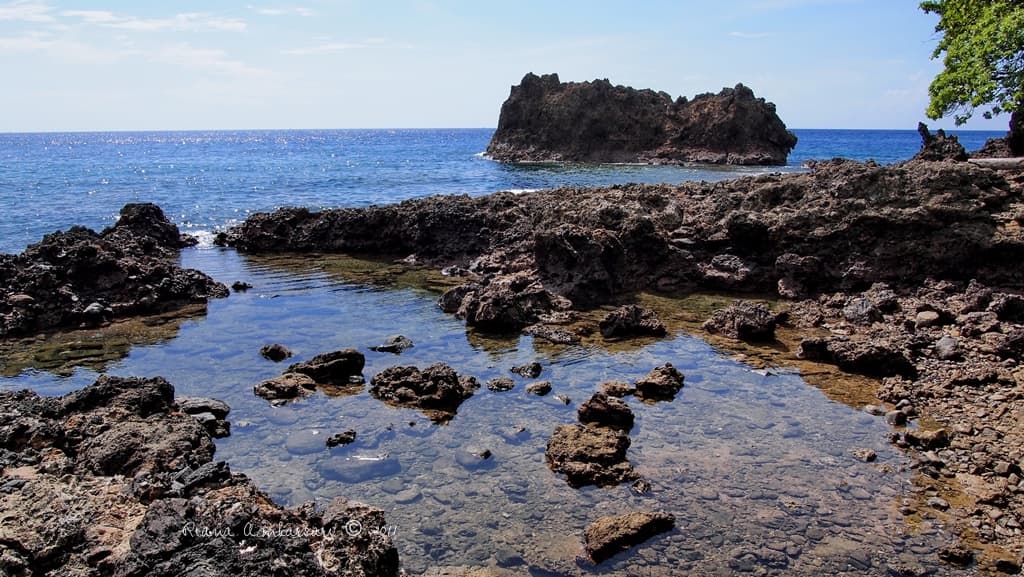
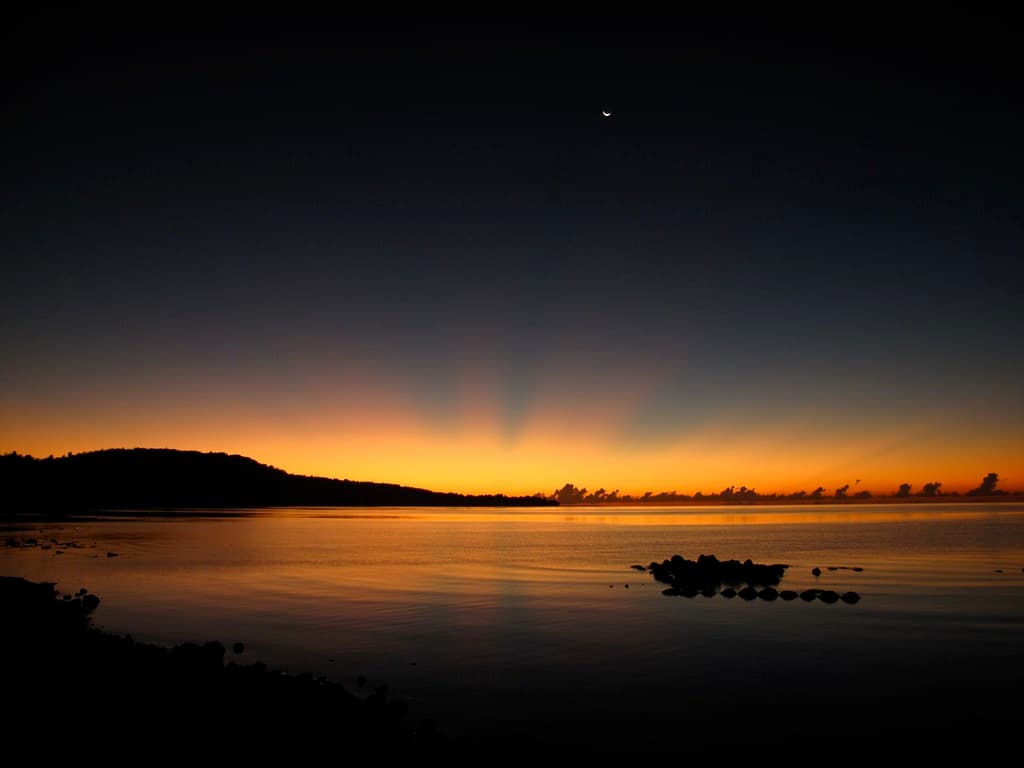
The drive from Ambon city traces the coastline through villages where fishing nets dry on wooden racks and children wave from doorways. When you reach Namalatu, the beach unfolds as a gentle crescent, its sand fine as powdered sugar beneath your feet. The Banda Sea here is the color of faded denim, calm most days, with wavelets that barely whisper as they collapse onto the shore. Few travelers make it to this stretch of Maluku, which means you'll likely share the sand with locals who arrive in the late afternoon, families who spread mats under the casuarina trees and watch the light shift across the water. The reef sits close to shore, visible as darker patches in the shallows where small fish dart between coral heads. There's no attendant, no rental stand, no choreographed experience—just the elemental pleasure of sea, sand, and silence. The beach maintains its quiet rhythm year-round, the equatorial climate keeping temperatures steady and the water warm. Bring your own snorkel gear, your own provisions. A handful of warungs operate near the access road, serving grilled fish and rice plates that taste better after salt water and sun. Stay until the sky turns amber, until the fishing boats motor back toward harbor, their silhouettes dark against the dimming horizon.
Places, rentals, tours and events within walking and driving distance of Namalatu Beach.
Photos
Namalatu Beach generally offers calm waters suitable for swimming, especially during dry season months. The beach features gentle waves and a gradual slope, making it relatively safe for most swimmers. However, always check local conditions before entering the water, as currents can vary. The beach is fairly secluded with limited lifeguard presence, so swim with caution and avoid venturing too far from shore. It's advisable to swim during daylight hours and inform someone of your plans when visiting this lesser-known beach.
Namalatu Beach can be visited year-round due to Ambon's tropical climate, but the dry season from October to March typically offers the most pleasant conditions with less rainfall and calmer seas. April through September brings the wet season with occasional heavy rains and rougher waters. Temperatures remain consistently warm (25-30°C) throughout the year. Weekdays are generally quieter than weekends when local visitors arrive. For the clearest water and best beach conditions, plan your visit during the drier months when sunshine is more reliable.
Namalatu Beach is located approximately 35-40 kilometers from Ambon city center, roughly an hour's drive along the coastal road. You'll need to rent a car or motorbike, or hire a taxi, as public transportation to this secluded beach is limited. The route passes through scenic coastal areas and small villages. Parking is informal and typically available near the beach entrance—there's open space where visitors can park, though facilities are basic. The final access to the beach may involve a short walk down to the shoreline.
Namalatu Beach has minimal facilities due to its relatively undeveloped nature. You may find small local warungs (food stalls) selling simple Indonesian dishes and refreshments near the beach, though options are limited and availability can vary. There are no major restaurants or hotels directly at the beach. Most visitors stay in Ambon city and make Namalatu a day trip. It's advisable to bring your own snacks, drinks, and sun protection. For proper meals and accommodation, you'll need to return to Ambon or nearby towns.
Namalatu Beach remains relatively undiscovered due to its distance from Ambon's city center and lower visibility in tourism marketing compared to more popular beaches like Liang or Natsepa. The beach lacks major tourist infrastructure and isn't heavily promoted on typical tourist circuits. This hidden quality is actually part of its appeal—visitors can enjoy peaceful, uncrowded white sand and clear waters without large crowds. However, this also means fewer amenities, so come prepared. The quiet atmosphere makes it ideal for travelers seeking authentic, off-the-beaten-path coastal experiences.