Counting the waves…
Counting the waves…

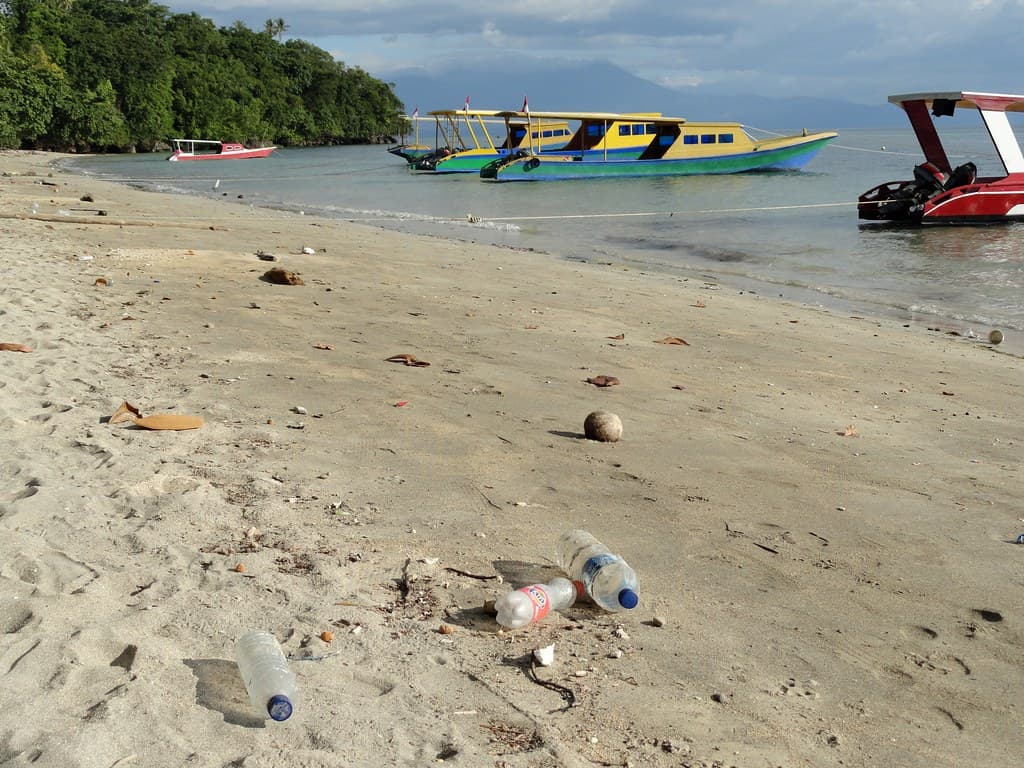
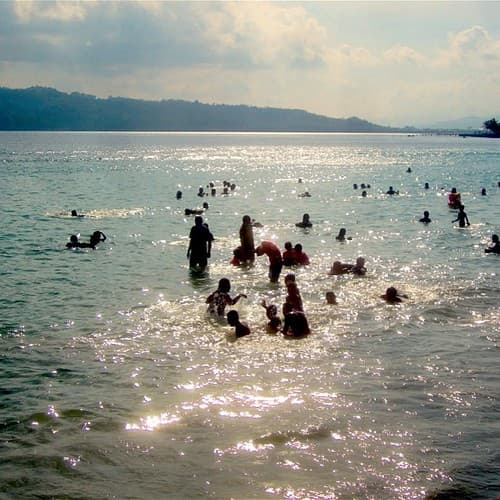
You'll find Natsepa Beach seventeen kilometers east of Ambon city, where the coast road curves past nutmeg groves and small fishing villages. On weekends, extended families claim spots under the towering casuarina pines that line the sand, their feathery needles carpeting the ground in rust-colored drifts. The beach itself runs wide and gently sloping, the kind of place where toddlers can splash safely while their parents grill fresh tuna bought from morning boats. The water here stays shallow for fifty meters out, its warmth hovering near eighty-five degrees year-round. Snorkelers wade past the swimming area to find scattered coral heads where sergeant majors and parrotfish drift through staghorn branches. Local vendors balance trays of papeda—sago porridge—and smoked skipjack, while warungs set up plastic chairs facing the water, their coolers stocked with es kelapa muda and Bintang. Natsepa earned its popularity honestly: it's the most accessible proper beach near Ambon's urban center, drawing everyone from courting teenagers to multigenerational Sunday gatherings. The sand shows evidence of its popularity—bottle caps, cigarette butts—but municipal workers sweep each morning, and the atmosphere remains resolutely familial. Come mid-afternoon when the heat peaks, and you'll see why Ambonese families have claimed this curve of coastline as their own backyard retreat for generations.
Places, rentals, tours and events within walking and driving distance of Natsepa Beach.
Photos
Natsepa Beach generally offers calm, shallow waters ideal for swimming, particularly for families with children. The beach is protected, creating gentle waves suitable for most swimmers. However, conditions can vary with weather and tides, so check locally before entering the water. The beach is relatively well-maintained and popular with locals, which adds to safety through numbers. Weekends see more lifeguard presence. Be mindful of strong currents during stormy weather or high tide. The clear waters also make it pleasant for snorkeling near the rocky areas at either end of the beach.
Natsepa Beach is accessible year-round, though Ambon's dry season (September to March) typically offers the best beach conditions with calmer seas and less rainfall. The wet season (April to August) brings afternoon showers but mornings are often sunny. Temperatures remain consistently warm (25-30°C) throughout the year. Weekdays are less crowded than weekends when local families flock to the beach. Early morning visits offer cooler temperatures and fewer crowds, while late afternoon provides beautiful sunset views. Even during rainy season, you can usually enjoy morning beach time before afternoon storms.
Natsepa Beach is located approximately 18 kilometers east of Ambon city center, about a 30-40 minute drive. You can reach it by renting a car or motorcycle, hiring a taxi, or using ride-hailing apps available in Ambon. Public minibuses (angkot) also run this route but may require transfers. The beach has a parking area near the entrance with fees typically included in the entrance ticket (usually very modest). The road is paved and well-maintained. If staying in Ambon city, most hotels can arrange transportation or recommend reliable drivers for day trips.
Natsepa Beach has numerous small warungs (local food stalls) and restaurants along the beachfront serving fresh seafood, grilled fish, Indonesian dishes, and refreshments. Local specialties include ikan bakar (grilled fish) and papeda. Basic amenities include changing rooms, toilets, and gazebo rentals for shade. Fresh coconuts and snacks are sold by vendors. While there aren't large resorts directly on the beach, budget guesthouses and homestays are available nearby in the surrounding area. Most visitors come as day-trippers from Ambon city where full accommodation options exist. Bring cash as card facilities are limited.
Natsepa Beach is Ambon's most famous beach, known for its distinctive white sand that's rare in the region, contrasting beautifully with the area's typically volcanic black sand beaches. The beach's name derives from a local legend about a crocodile princess. It holds cultural significance for locals and serves as Ambon's primary recreational beach. The combination of accessibility from the city, family-friendly atmosphere, and white sand makes it stand out. The beach also offers views of nearby islands and is bordered by palm trees creating a tropical postcard setting that's become iconic for Ambon tourism.