Counting the waves…
Counting the waves…

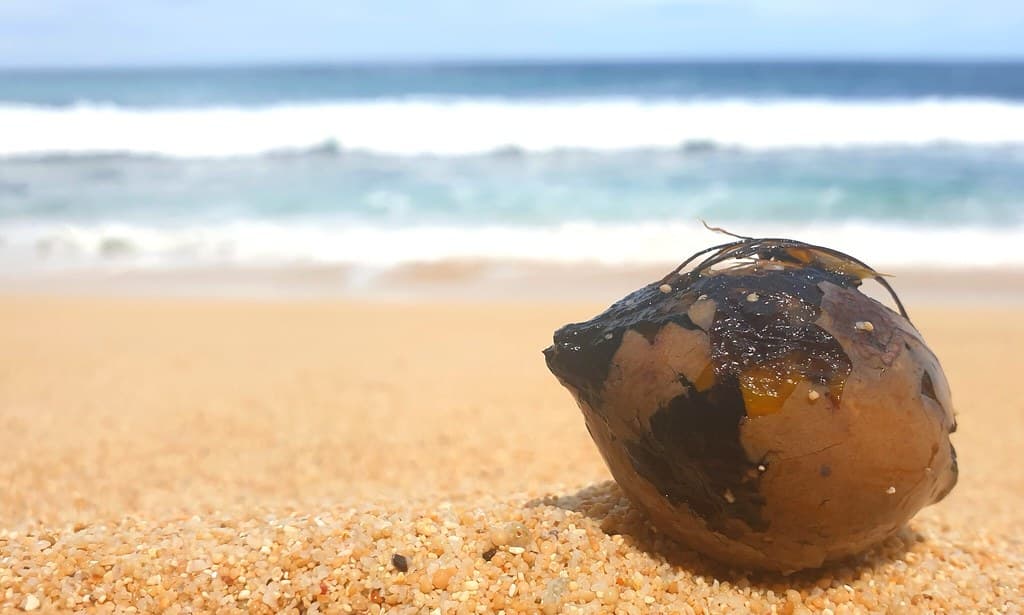
Minutes from Jayapura's downtown grid, Base-G Beach pulls you into the rhythm of coastal Papua—children shrieking as they leap from wooden piers, vendors hawking chilled kelapa muda, the steady lap of Pacific waves against volcanic sand. The beach stretches in a modest arc framed by palms and scrubby coastal greenery, its grayish-tan shore sloping gently into bathwater-warm shallows. You won't find solitude here, but you will find authenticity: local families claiming shaded patches for weekend barbecues, teenagers testing their courage on rope swings, fishermen hauling hand-lines at dawn. The water stays calm most of the year, protected enough for toddlers yet deep enough beyond the break for proper swimming. Makeshift food stalls line the access road, their blue tarps snapping in the afternoon breeze as cooks fan charcoal fires beneath skewered prawns and whole snapper. The aroma of sambal and lime cuts through the salt air, mingling with diesel fumes from passing motorbikes—a quintessentially Indonesian beach sensory mashup. As evening approaches, the setting sun paints the Cyclops Mountains in burnt sienna, and the beach takes on a golden-hour glow that softens the urban edges. Couples claim driftwood seats, students gather for impromptu guitar sessions, and the city's relentless energy yields, briefly, to the ocean's older cadence. Base-G doesn't pretend to be wilderness; it's Jayapura at leisure, welcoming you to join.
Places, rentals, tours and events within walking and driving distance of Base-G Beach.
Photos
Base-G Beach is generally safe for swimming, particularly during calm weather conditions. The beach features relatively gentle waves and shallow waters near the shore, making it suitable for families with children. However, as with any ocean beach, conditions can vary with tides and weather. There are no lifeguards on duty, so swimmers should exercise caution and avoid venturing too far from shore. Local advice suggests swimming during daylight hours and checking current conditions before entering the water.
Base-G Beach can be visited year-round due to Jayapura's tropical climate, with temperatures consistently ranging between 25-32°C. The drier months from May to October typically offer clearer skies and calmer seas, ideal for swimming and beach activities. November to April brings more rainfall, though showers are often brief and afternoon-based. Weekends and Indonesian public holidays see larger crowds of local visitors. Early mornings and late afternoons provide the most comfortable temperatures and stunning views of Jayapura's coastline.
Base-G Beach is located approximately 5 kilometers from central Jayapura and is easily accessible by taxi, ojek (motorcycle taxi), or rental car. The journey takes about 15-20 minutes depending on traffic. Public minibuses (angkot) also run routes near the beach. Parking is available near the beach entrance, with informal parking areas that can accommodate both cars and motorcycles. During weekends and holidays, parking may be more limited due to increased visitor numbers, so arriving early is recommended.
Base-G Beach offers basic amenities including small warungs (local food stalls) selling Indonesian snacks, grilled seafood, and refreshing coconut drinks. You'll find simple facilities like changing rooms and toilets, though they are basic. For more extensive dining options and accommodations, you'll need to return to central Jayapura, which has numerous hotels, restaurants, and guesthouses within a short drive. Many visitors bring their own food and drinks for beach picnics, which is a popular local practice.
While Base-G Beach itself is a modern urban beach, it serves as a gathering place for Jayapura's diverse community, including indigenous Papuans. The beach occasionally hosts local cultural events and gatherings. For deeper cultural experiences, nearby Jayapura city offers museums, traditional markets like Pasar Hamadi, and cultural centers showcasing Papuan art, crafts, and traditions. The Cenderawasih University Museum and Loka Budaya museum are within the city and provide insights into Papua's rich indigenous heritage and tribal cultures.