Counting the wavesβ¦

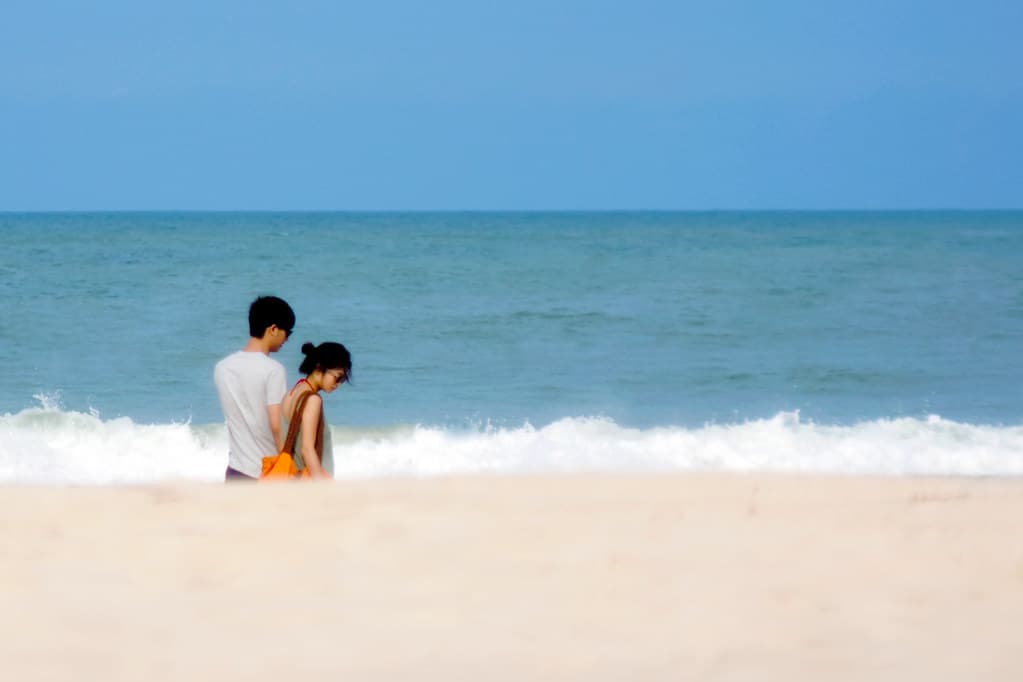
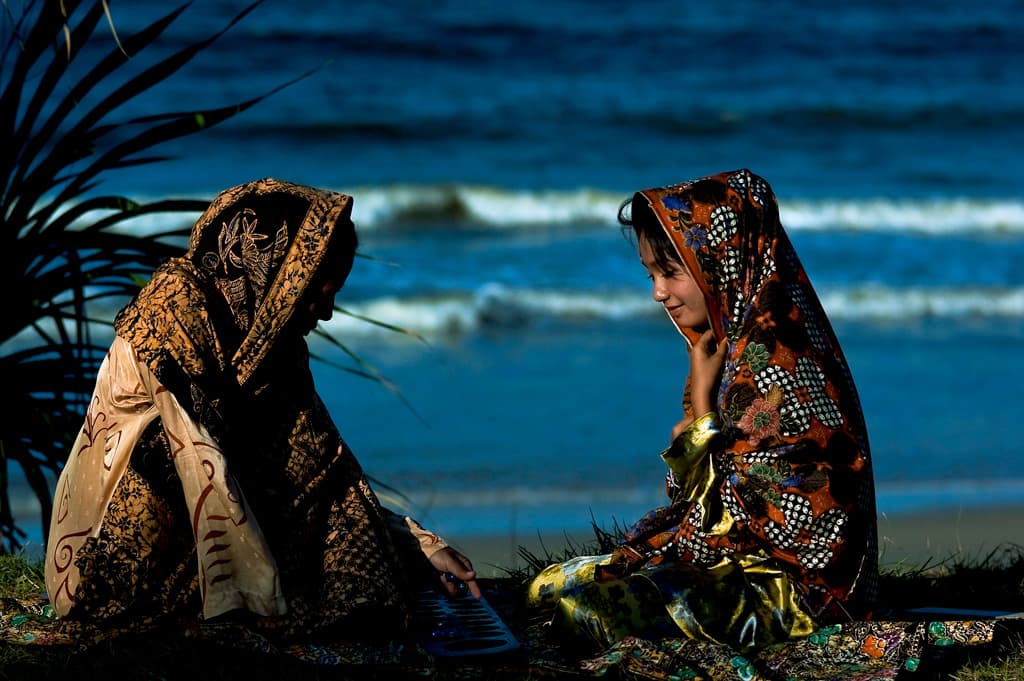
The sand at Trikora compresses cool and damp beneath your feet as you walk the tideline, passing stilted fishing huts and clusters of Indonesian families spreading batik sarongs under the casuarina pines. Unlike Bintan's manicured resort beaches to the north, this public strand belongs to weekend picnickers from Tanjung Pinang and Singaporean day-trippers who've made the hour-long drive across the island's spine. Wooden platforms jut into the shallows where children leap and shriek, while grandmothers wade knee-deep collecting shellfish in plastic buckets. The water here stays bath-warm and glass-calm most mornings, ideal for floating on your back while jukung fishermen check nets a hundred meters out. By afternoon, the Strait of Malacca wind picks up, rustling the palms and sending small waves onto the beach in rhythmic sets. Vendors roll carts along the packed sand, selling young coconuts and packets of krupuk, their calls blending with the thrum of motorcycle taxis dropping off new arrivals. Sunset transforms the strand into a golden theater. You'll watch the sky flush tangerine and violet as the fishing fleet returns, silhouettes gliding across water that mirrors the clouds. Local families gather for evening prayers on the sand while couples claim the weathered bamboo benches scattered beneath the trees, and the day's heat finally breaks into something softer.
Places, rentals, tours and events within walking and driving distance of Trikora Beach.
Photos
Trikora Beach is generally safe for swimming and well-suited for families. The waters are typically calm with gentle waves, making it appropriate for children. However, conditions can vary with tides and weather, so always supervise young swimmers. The white sand beach has a gradual slope into the water. As with any beach, pay attention to local conditions on the day of your visit, avoid swimming during rough weather, and stay within designated swimming areas if marked. Lifeguard availability may be limited, so exercise standard water safety precautions.
Trikora Beach can be visited year-round due to Bintan's tropical climate, with temperatures consistently between 25-31Β°C. The driest months are typically February through September, offering the most reliable beach weather. November through January sees more rainfall, though showers are often brief. Weekdays are generally less crowded than weekends when local visitors arrive. For sunset viewing, which the beach is known for, late afternoon visits are ideal. Early mornings also offer pleasant, quieter beach conditions. The beach faces east, so sunrises can be spectacular too.
Trikora Beach is located on Bintan's east coast, approximately 50 kilometres from Tanjung Pinang and about 90 minutes from the main ferry terminal. Most visitors rent a car or motorbike, or hire a taxi, as public transportation options are limited. The road to Trikora is paved and well-marked. Parking is available along the beach road, typically free or for a small fee depending on the specific area you choose. Some beachfront resorts and warungs offer parking for customers. A rented vehicle gives you flexibility to explore the lengthy coastline.
Trikora Beach has various accommodation options ranging from budget guesthouses to mid-range beachfront resorts spread along the coastline. You'll find local warungs (small restaurants) serving Indonesian seafood and traditional dishes near the beach areas. Some resorts have their own restaurants. Amenities are more basic compared to Bintan's northern resort areas, giving Trikora a more local, laid-back atmosphere. Small shops sell snacks and drinks, but it's advisable to bring supplies from larger towns if you have specific needs. ATMs and extensive shopping are limited in the immediate area.
Trikora Beach has been accessible to the public for decades, unlike Bintan's northern coast which is dominated by private resorts. It stretches for several kilometres, offering multiple access points and areas to explore. The beach maintains a local, authentic character while still providing basic tourist infrastructure. Its white sand and scenic coastline have made it popular with both Indonesian visitors and international travellers seeking a less commercialized beach experience. The area represents traditional Bintan coastal life, with fishing villages nearby and a more relaxed, non-resort atmosphere compared to other parts of the island.