Counting the waves…
Counting the waves…

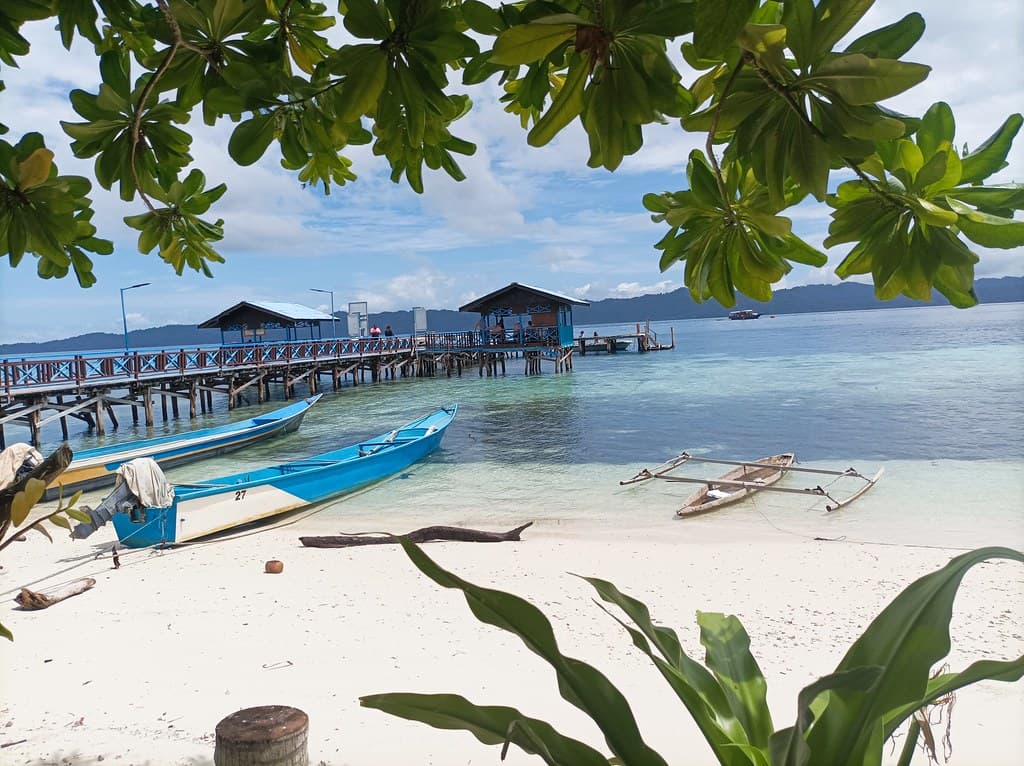
Yenbuba Beach sits on the edge of the world's richest marine ecosystem, where the Indian and Pacific Oceans collide in a riot of biodiversity. The sand beneath your feet—fine as confectioner's sugar—gives way almost immediately to a reef shelf alive with anthias, damselfish, and Napoleon wrasse. You don't need to venture far; the house reef begins mere meters from shore, its hard corals forming intricate gardens that glow purple, orange, and electric blue in the midday sun. Above the waterline, forested limestone pinnacles frame every view, their karst formations carved by millennia of wind and wave. The beach itself curves gently, sheltered enough for calm swimming yet open to the channels where reef sharks cruise during incoming tides. Between dives, you'll find yourself scanning the treeline for hornbills and the shallows for blacktip sharks investigating the shoreline. Timing matters less here than elsewhere—Raja Ampat's equatorial position means warm water and abundant marine life year-round. But the true privilege of Yenbuba lies in its remoteness: reaching this strand requires commitment, which keeps the sand uncrowded and the reef pristine. You share the beach with wooden phinisi schooners swaying at anchor and the occasional local fisherman, nothing more.
Places, rentals, tours and events within walking and driving distance of Yenbuba Beach.
Photos
Yenbuba Beach generally offers safe swimming and snorkeling conditions, with calm, clear turquoise waters ideal for underwater exploration. The protected reef creates relatively gentle conditions, though currents can vary depending on tides. Always check local conditions before entering the water and stay within designated snorkeling areas near the reef. The coral and marine life are pristine, so exercise caution to avoid touching or stepping on fragile ecosystems. Consider wearing reef-safe shoes and using a life jacket if you're not a confident swimmer, as depths can change quickly near reef drop-offs.
Yenbuba Beach can be visited year-round, though Raja Ampat's optimal conditions occur during the dry season from October through April, when seas are calmer and visibility for snorkeling is best. The wet season (May-September) brings occasional rain and choppier waters, though diving and snorkeling remain possible. Water temperatures stay warm (27-30°C) throughout the year. For the clearest waters and easiest boat access, plan your visit between October and April. Keep in mind that Raja Ampat is remote, so weather can affect boat schedules regardless of season.
Reaching Yenbuba Beach requires multiple transportation steps. First, fly to Sorong in Southwest Papua, then take a ferry or speedboat to Waisai, Raja Ampat's main town. From Waisai, you'll need to arrange a local boat transfer to Yenbuba Beach, as it's only accessible by water. Most visitors book tours through Raja Ampat homestays or dive operators who arrange all boat transportation. There are no roads or parking facilities at the beach itself. Journey times vary depending on your exact starting point within Raja Ampat, but expect boat rides of 30 minutes to several hours.
Yenbuba Beach has minimal on-site amenities, reflecting Raja Ampat's remote, undeveloped nature. Visitors typically stay at nearby homestays or eco-resorts on surrounding islands, which provide meals and basic facilities. Most accommodations offer full-board packages including traditional Indonesian meals, as independent restaurants are scarce. There are no shops, restaurants, or facilities directly at Yenbuba Beach itself—bring your own water, snacks, and sun protection. Your homestay or tour operator will usually provide packed meals for day trips. The nearest accommodations with more extensive amenities are scattered across Raja Ampat's islands, requiring boat access.
Yenbuba Beach is renowned for its exceptionally vibrant coral reef system, considered among the most biodiverse in the world. Raja Ampat sits within the Coral Triangle, home to over 75% of known coral species and countless tropical fish varieties. The shallow reef at Yenbuba offers easily accessible snorkeling directly from shore, with stunning visibility and turquoise waters showcasing pristine hard and soft corals. You may encounter reef sharks, sea turtles, and massive schools of colorful fish. The beach's iconic status comes from this remarkable underwater scenery combined with its picturesque white sand and dramatic island backdrop.