Counting the waves…
Counting the waves…

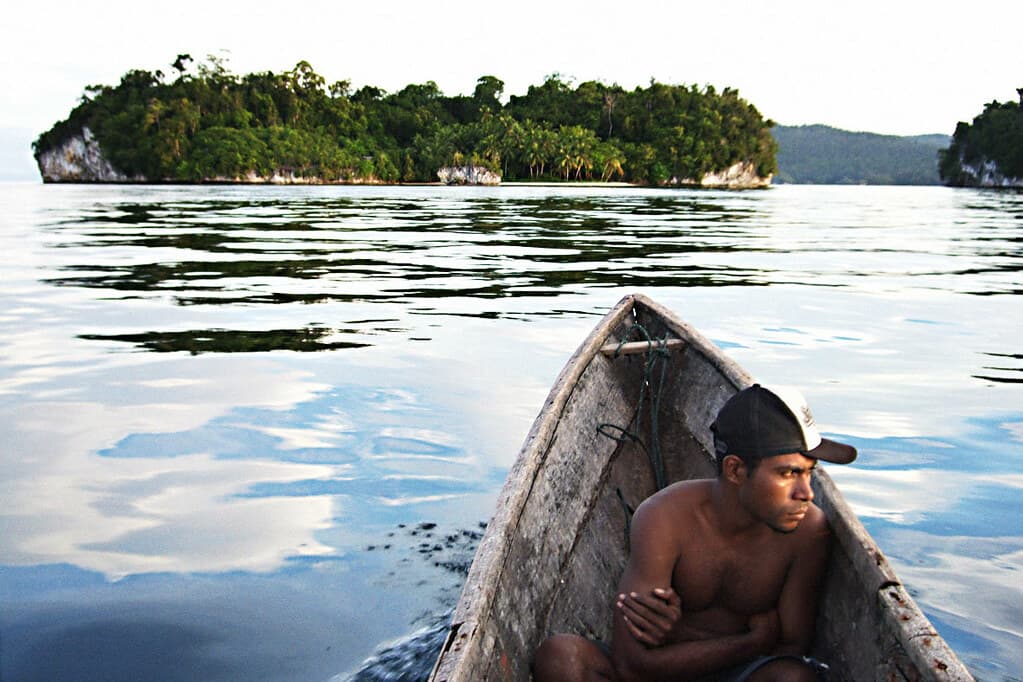
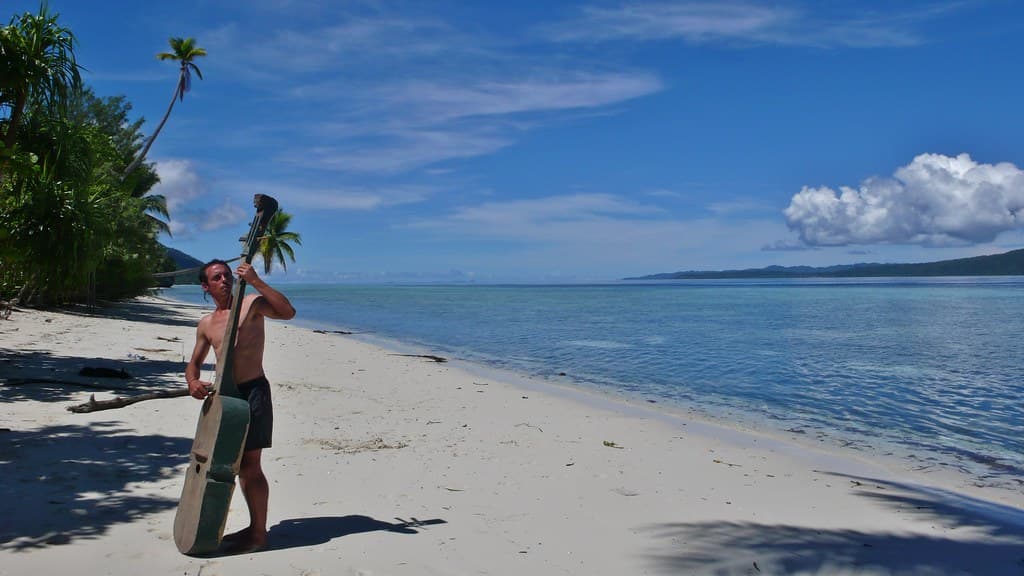
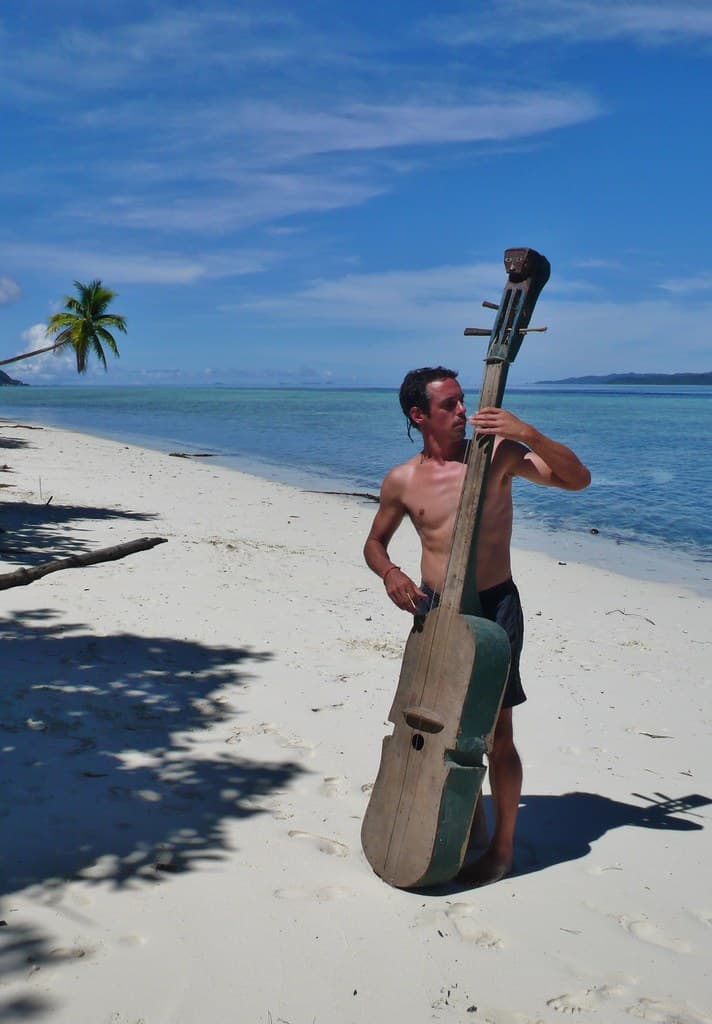
Kri sits in the heart of the Coral Triangle, and the numbers tell only part of the story. You wade from shore and the seafloor drops away in terraces of staghorn and table coral, each ledge sheltering a different neighborhood: clownfish defending their anemones, parrotfish grinding coral into sand, pygmy seahorses no bigger than your thumbnail clinging to gorgonian fans. The water is so clear you can watch eagle rays glide over the bottom twelve meters below. The island itself is a sliver of jungle and coconut palms, rimmed by beaches the color of ground bone. Mornings bring glassy conditions; by afternoon, the breeze kicks up enough chop to keep snorkelers closer to the shallows, where the coral gardens are dense enough to block out the sand. Local homestays line the shore, their bamboo platforms extending over the tide. You'll share the reef with dive groups from the handful of eco-resorts nearby, but the vastness of the underwater topography means you're rarely crowded. Between immersions, you sit on the jetty and watch needlefish hover in formation just below the surface, while frigatebirds wheel overhead, scanning for flyingfish startled by passing boats.
Places, rentals, tours and events within walking and driving distance of Kri Island Beach.
Photos
Kri Island Beach is generally safe for swimming and snorkeling, with calm, clear waters ideal for beginners and experienced snorkelers alike. The beach is sheltered, though currents can strengthen during tide changes, so stay near shore if you're inexperienced. The real draw is the extraordinary marine biodiversity—Kri holds the world record for most fish species counted in a single dive. Always snorkel with a buddy, wear reef-safe sunscreen to protect the coral, and be mindful of boat traffic near popular dive sites.
Kri Island can be visited year-round, as Raja Ampat enjoys relatively stable tropical weather. The optimal period is October through April, when seas are calmest and visibility for snorkeling reaches 30+ meters. May to September brings occasional rain and choppier waters, though diving and snorkeling remain possible. Water temperatures stay warm (27-30°C) throughout the year. Book accommodations well ahead for October-November and March-April, as these months offer the best balance of weather, visibility, and marine life activity without heavy crowds.
Reaching Kri Island requires multiple steps. Fly to Sorong in West Papua, then take a ferry or speedboat to Waisai (Raja Ampat's main port), which takes 2-4 hours. From Waisai, arrange a longboat transfer to Kri Island, approximately 45 minutes to 1 hour. Most resorts and homestays on Kri arrange pickup from Waisai if booked in advance. There are no roads or vehicles on the island—everything is accessed by boat or on foot. The journey is remote but absolutely worth it.
Kri Island offers several beachfront homestays and small eco-resorts, ranging from basic fan-cooled bungalows to more comfortable diving resorts with meal packages. Most accommodations include three meals daily, as there are very few standalone restaurants on the island. Expect simple Indonesian and seafood-based cuisine. Facilities are rustic—limited electricity (often solar-powered), no ATMs, and minimal Wi-Fi. Book lodging in advance, especially during peak season. Bring cash from Sorong, as card payments aren't widely accepted. The remote setting is part of Kri's untouched charm.
Kri Island is famous for holding the world record for fish biodiversity—374 species recorded in a single dive at nearby sites. The house reef at Kri Eco Resort and Cape Kri dive site offer some of the planet's richest marine life, including reef sharks, manta rays, massive schools of jacks, and vibrant coral gardens just steps from shore. You can snorkel directly from the beach to access stunning reefs without needing a boat. This accessibility combined with extraordinary biodiversity makes Kri a bucket-list destination for underwater enthusiasts.