Counting the waves…
Counting the waves…

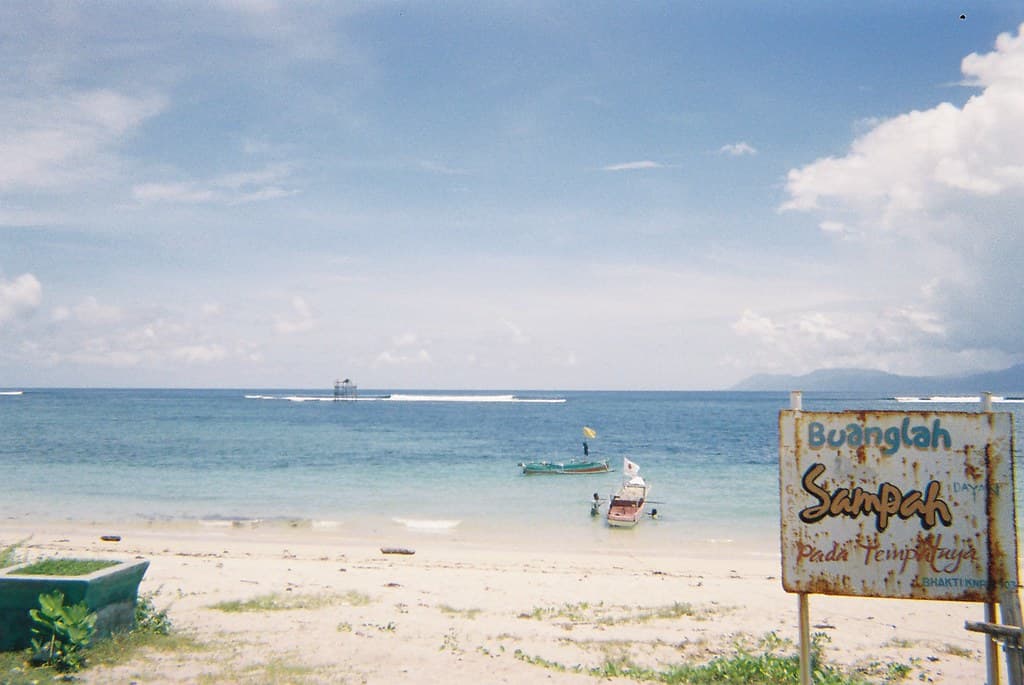
The black volcanic sand heats underfoot by mid-morning, a reminder that you're standing on one of Sumbawa's rawest coastlines. Lakey Pipe earned its name from the tubular lefts that peel off the southern reef, but beyond the break, this beach unfolds in quiet contrasts: fishing boats painted turquoise and coral beached beside wax-splattered longboards, local kids diving off pier pilings while surfers paddle out for their third session of the day. The surrounding village of Hu'u operates on surf time. Guesthouses post swell forecasts on chalkboards, warungs serve nasi goreng until the last surfer stumbles in, and everyone knows the tide schedule better than the bus timetable. When the waves flatten, you'll notice the palms leaning landward from constant sea winds, the way motorbike tracks crisscross the shore, the smell of grilled ikan wafting from open-air kitchens. This isn't the polished resort experience of Bali's breaks. Generators hum at night, roosters punctuate every dawn, and the nearest ATM sits an hour away in Dompu. Yet that raw-edged authenticity is precisely what keeps surfers returning—season after season, chasing the next clean set under Sumbawa's wide equatorial sky.
Places, rentals, tours and events within walking and driving distance of Lakey Pipe Beach.
Photos
Lakey Pipe Beach is primarily a surf destination with powerful waves and strong currents, making it unsuitable for casual swimming. The beach is known for its reef breaks and can be challenging even for experienced surfers. The waves break over shallow coral reef, which poses additional risks. If you're not surfing, it's safer to watch from shore or wade in shallow areas during calmer conditions. Always check with local surf guides about current conditions and respect warning flags if present.
Lakey Pipe Beach offers year-round surfing, but conditions vary seasonally. The dry season (April to October) brings consistent southwest swells and offshore winds, creating ideal surfing conditions with waves typically 4-8 feet. The wet season (November to March) sees fewer crowds and can still produce good surf, though conditions are less predictable. Water temperatures remain warm year-round (26-28°C), so boardshorts or a spring suit suffice. May through September is peak season for the most reliable waves.
Lakey Pipe Beach is located near Hu'u village in Dompu Regency. Most visitors fly into Lombok International Airport, then take a ferry from Labuan Lombok to Poto Tano in Sumbawa (approximately 1.5 hours). From there, it's a 3-4 hour drive to Lakey Peak area. Some surfers arrange private transport or join shared shuttles. The final stretch involves rough roads. There's limited formal parking, but accommodation operators typically provide parking areas for guests near the beach access points.
The Lakey Peak area offers various surf camps, guesthouses, and small hotels catering to surfers, ranging from budget homestays to mid-range bungalows. Most accommodations include meal plans featuring Indonesian and Western dishes, which is convenient given limited independent restaurants. Several warungs (local eateries) serve fresh seafood and traditional Indonesian food. The village of Hu'u has basic supplies, but bring specialty items from Lombok. Amenities are simple and beach-oriented rather than luxurious, reflecting the area's laid-back surf culture.
Lakey Pipe is considered a secondary break to the famous Lakey Peak, offering a different surfing experience. While Lakey Peak is the area's premier right-hand point break, Lakey Pipe provides a faster, hollower barrel that breaks over shallow reef, resembling Pipeline-style waves. It typically works best on bigger swells and different wind conditions than the Peak. Lakey Pipe attracts more advanced surfers seeking tube rides, while Lakey Peak accommodates a wider range of abilities. Both breaks are accessible from the same beach area.