Counting the waves…
Counting the waves…

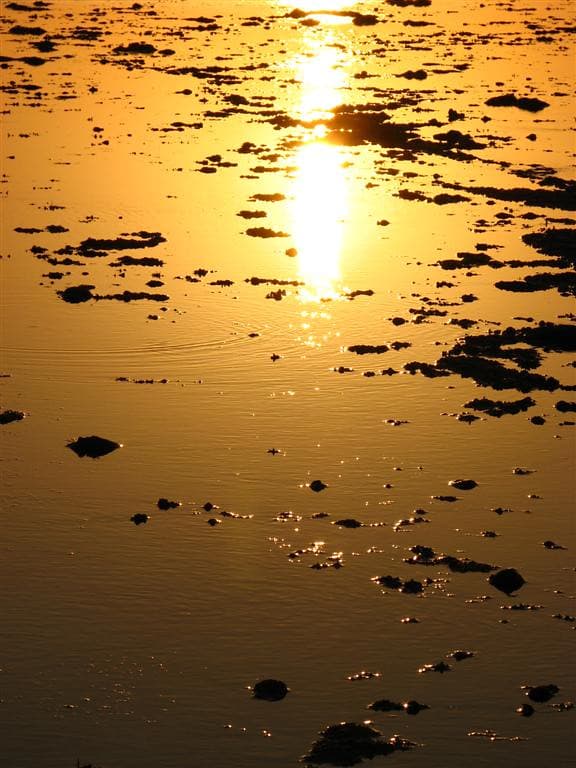
The first thing you notice isn't the wave—it's the sound. Lakey Peak's signature left-hander detonates over shallow reef with a percussive thump that carries across Hu'u Bay, a metronome counting down the seconds before the next set marches in. You'll smell the salt mixed with woodsmoke from beachside warungs grilling ikan bakar, hear the scrape of wax on epoxy as visiting pros tune their quivers beside Indonesian groms clutching duct-taped boards. The beach itself curves along charcoal sand littered with fragments of volcanic rock and bleached coral. Coconut palms lean at improbable angles, their fronds rustling in the trade winds that groom every swell into mechanical perfection. Between the main peak and the neighboring breaks—Nungas, Periscopes, Pipelines—you'll find tide pools warming in the afternoon sun, their edges crusted with sea salt that crunches beneath bare feet. As the equatorial sun descends, the entire coastline transforms. The water shifts from cobalt to molten copper, silhouetting surfers who paddle in reluctantly, unwilling to surrender another flawless session. Fishermen haul wooden canoes above the tideline while you nurse a cold Bintang, sand still clinging to your ankles, watching the sky cycle through shades that no camera quite captures. This is Sumbawa unfiltered: raw, consistent, and utterly addictive.
Places, rentals, tours and events within walking and driving distance of Lakey Beach.
Photos
Lakey Beach is primarily a surf destination with powerful reef breaks, making it challenging for casual swimmers and beginners. The waves break over shallow coral reefs, creating hazardous conditions for inexperienced swimmers. The currents can be strong, particularly during peak surf season. If you're a beginner surfer, consider hiring a local instructor who knows the breaks well. There's a sandy area closer to shore that's safer for wading, but always check conditions with locals first and avoid swimming during high surf.
The prime surf season at Lakey Beach runs from May to October, when consistent swells from the Indian Ocean produce the area's famous barrels. June through August offers the most reliable waves, with offshore winds and swells reaching 4-8 feet. The dry season (April to October) provides the best overall conditions with sunny weather and lighter winds. However, Lakey Beach works year-round; November to March brings less crowded lineups, though waves can be smaller and less consistent. Water temperature stays warm (26-28°C) throughout the year.
Reach Lakey Beach by flying from Bali to Sultan Muhammad Kaharuddin III Airport in Sumbawa Besar (approximately 1 hour). From the airport, it's a 2.5-3 hour drive to Hu'u village where Lakey Beach is located. You can arrange airport transfers through your accommodation or hire a private driver. Alternatively, take a ferry from Lombok to Sumbawa, though this adds significant travel time. Most surf camps and guesthouses offer airport pickup services. The road is paved but winding through mountainous terrain.
Hu'u village has developed a solid surf tourism infrastructure with numerous beachfront guesthouses, surf camps, and small hotels catering to various budgets. You'll find warungs (local eateries) serving Indonesian dishes and several restaurants offering Western food, fresh seafood, and vegetarian options. Most accommodations include restaurants or cafes on-site. Basic amenities like small shops, board repair services, and motorbike rentals are available in the village. While not luxurious, facilities are comfortable and surf-focused. Book accommodation ahead during peak season (June-August) as quality options fill quickly.
Lakey Beach features multiple world-class breaks. Lakey Peak is the most famous, offering both left and right-hand barrels breaking over reef—it's best at mid-to-high tide. Lakey Pipe produces hollow lefts for experienced surfers only. Nungas offers mellower, longer rides suitable for intermediates. Periscopes provides consistent rights further down the beach. Each break works best under different swell and tide conditions, so consult local surfers or guides to find the optimal spot for your skill level and the day's conditions.