Counting the waves…
Counting the waves…

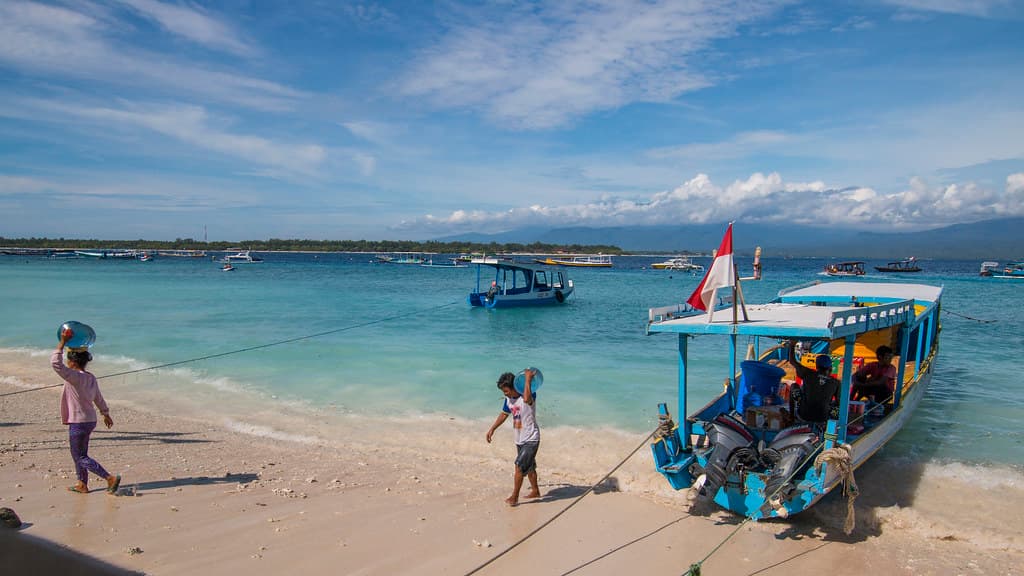
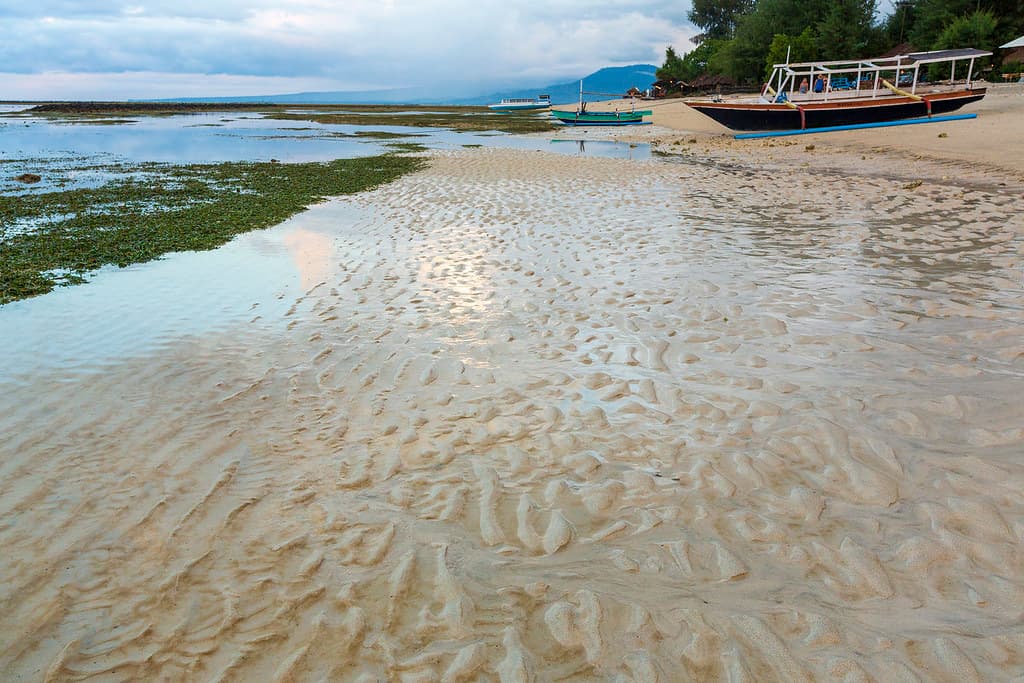
Gili Air occupies the sweet spot between its party-loud sister Trawangan and sleepy Meno—a two-kilometer ring of sand where the loudest engine belongs to a blender at the beachfront café. You arrive by wooden outrigger from Bangsal harbor, the boat nosing onto white sand where ponies and carts wait to haul your pack to guesthouses hidden behind frangipani hedges. No motors allowed here; just pedal-power and the slap of flip-flops on packed earth. The eastern shore delivers the island's best snorkeling. Wade in past moored fishing boats and within three fin-strokes you're hovering over gardens of table coral busy with butterflyfish and blue-spotted rays. Local dive operators mark the drop-off with buoys; beyond that, the seabed plunges into cobalt channels where turtles cruise the thermoclines. Mornings bring glassy conditions and the best visibility—arrive before ten and you'll share the reef with only a handful of free-divers spearing for lunch. Sunset turns the west coast golden. You sprawl in a beanbag at one of the low-slung warungs, feet in the sand, watching the sky bruise purple behind Bali's Mount Agung. Dinner is grilled snapper with sambal matah, lime wedges, and rice still warm from the steamer. The island's rhythm is tidal, unhurried—a place where you lose track of which day it is and stop caring altogether.
Places, rentals, tours and events within walking and driving distance of Gili Air Beach.
Photos
Gili Air Beach is generally safe for swimming and snorkeling, with calm, shallow waters protected by surrounding reefs. The west and south coasts offer the best conditions, particularly during dry season. However, currents can strengthen during monsoon season (November-March), so check local conditions before entering the water. The beach has excellent visibility for snorkeling, with sea turtles and colorful coral visible close to shore. Life-saving equipment is limited, so swim within your ability and avoid snorkeling alone in remote areas.
The best time to visit Gili Air is during the dry season from April to October, when you'll enjoy sunny skies, calm seas, and excellent snorkeling visibility. Peak season runs June through August, bringing more visitors but ideal conditions. The wet season (November-March) brings occasional rain and rougher seas, though the island remains accessible year-round. Water temperatures stay warm at 27-29°C throughout the year. For fewer crowds and good weather, consider visiting in May or September.
Gili Air is accessible only by boat from Lombok or Bali. From Bali, take a fast boat (90 minutes-2 hours) from Padang Bai, Serangan, or Sanur harbors. From Lombok, catch a public boat or fast boat from Bangsal Harbor (15-30 minutes). Several operators run daily services, with prices varying by departure point and boat type. Once on Gili Air, the island is small and vehicle-free—you'll walk, cycle, or take a cidomo (horse cart) to reach different beach areas. No parking needed.
Gili Air offers diverse accommodation from budget homestays to boutique beachfront resorts, concentrated along the east and south coasts. Most beaches have nearby guesthouses within walking distance. The main village area features numerous restaurants serving Indonesian, Western, and seafood dishes, plus beach clubs and cafes scattered around the island. Warungs (local eateries) provide affordable meals, while beachfront restaurants offer sunset dining. Small shops sell basics, though choices are more limited than mainland Indonesia. Most accommodations include or are near dining options.
Yes, Gili Air is excellent for spotting sea turtles while snorkeling directly from the beach. The south and southeast coasts, particularly near the turtle conservation area, offer the best chances of encountering green and hawksbill turtles feeding on seagrass. Early morning snorkeling typically provides the calmest conditions and good visibility. You can rent snorkel gear from beach vendors or dive shops around the island. Remember to maintain a respectful distance—never touch or chase turtles, as they're protected species.