Counting the waves…
Counting the waves…

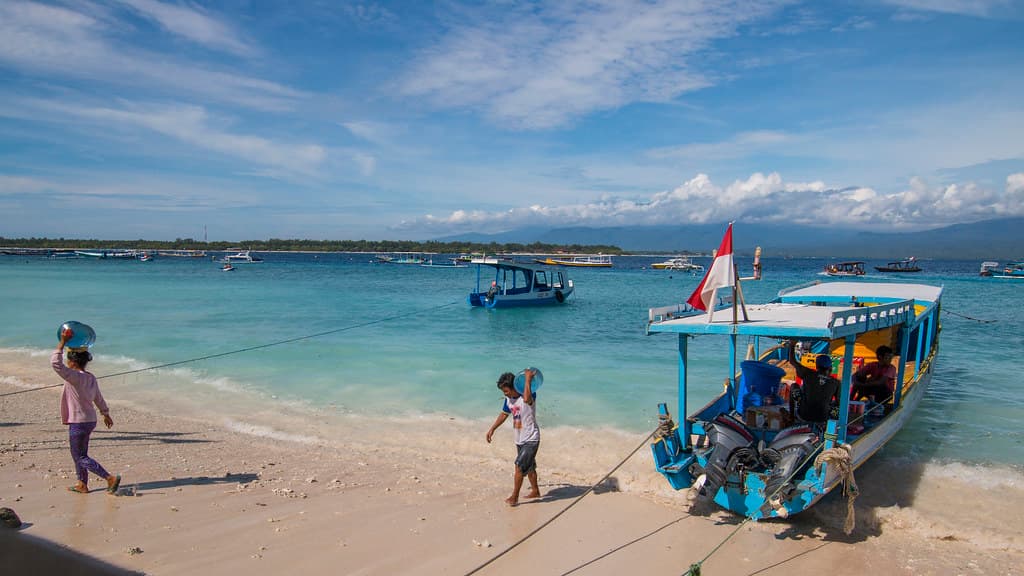
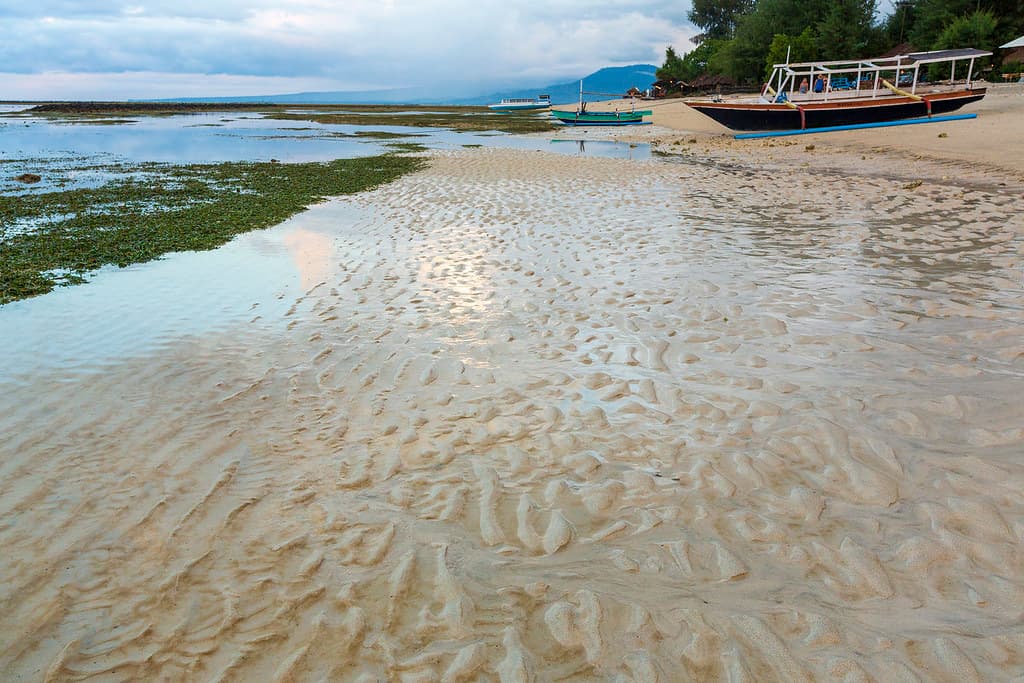
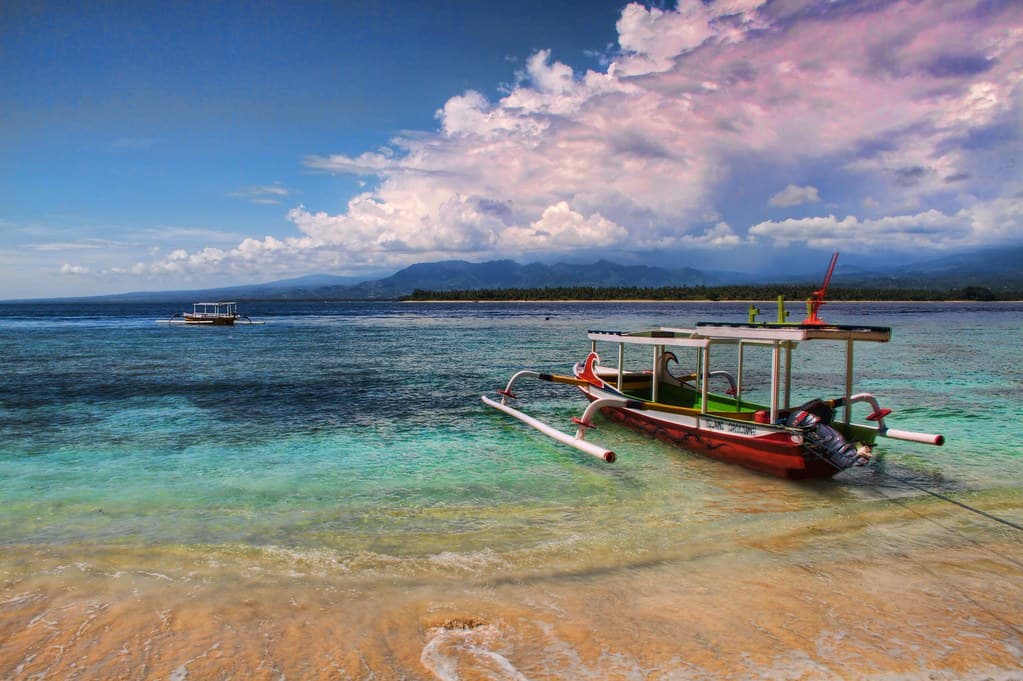
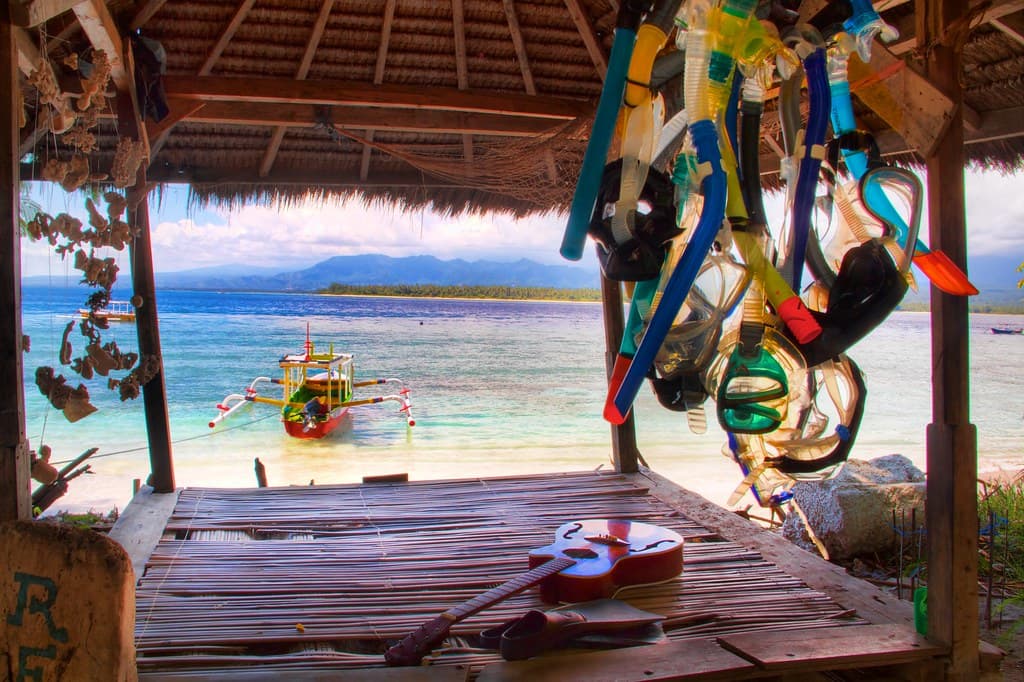
Gili Meno sits between its livelier siblings like a held breath. The island stretches barely two kilometers at its widest point, ringed by a beach that shifts from bone-white on the western shore to pale gold where the morning light hits. You'll find the best swimming on the eastern side, where the reef drops away gently and the current stays mild even during the southeast monsoon. The water here runs shallow for thirty meters out, warm enough that you'll forget you're wearing a swimsuit. Hawksbill and green turtles patrol the seagrass beds just offshore; you'll spot their dark shapes gliding beneath the surface before they rise, prehistoric and unbothered, to breathe. The reef itself begins where the sandy bottom darkens, a garden of table corals and barrel sponges that draws parrotfish, angelfish, and the occasional blacktip reef shark. By late afternoon the beach empties. Local fishermen pull wooden outriggers onto the sand, their nets draped over the gunwales to dry. The sun drops fast here, turning the water from turquoise to copper in the span of twenty minutes. You'll hear the call to prayer drift from the small mosque inland, mingling with the rustle of casuarina trees and the gentle percussion of waves on the reef a hundred meters out.
Places, rentals, tours and events within walking and driving distance of Gili Meno Beach.
Photos
Gili Meno Beach is generally safe for swimming, with calm, shallow waters particularly along the western and southern coasts. The island has no strong currents in protected areas, making it suitable for families and beginners. However, always check local conditions as currents can vary seasonally. The northern coast can experience stronger currents during certain times. Marine life is abundant but mostly harmless; watch for sea urchins in shallow areas. There are no lifeguards on duty, so swim responsibly and stay aware of your surroundings.
Gili Meno is a year-round destination with consistent warm weather. The dry season (May to September) offers the best conditions with sunny skies, calm seas, and excellent visibility for snorkeling. June through August sees the most visitors. The wet season (November to March) brings occasional rain showers but fewer crowds and lower prices. October and April are shoulder months with good weather and moderate tourism. Water temperature remains pleasant year-round at 27-29°C. For optimal snorkeling visibility, visit during the dry season.
Gili Meno has no airport or motorized vehicles. Reach the island via fast boat from Bali (2.5 hours), Lombok (30-45 minutes), or neighboring Gili Trawangan and Gili Air (15 minutes). Boats arrive at the main jetty on the eastern side. Public boat services run daily, while private charters are available. From Lombok's Bangsal Harbor, public boats depart when full. Once on Gili Meno, walk or rent a bicycle to reach different beaches—the island is small and circumnavigable in under two hours on foot.
Gili Meno offers more limited facilities than its busier neighbors but has sufficient amenities. Beachfront accommodations range from budget guesthouses to boutique resorts, concentrated along the eastern and western coasts. Small restaurants and warungs serve Indonesian and Western food, primarily seafood. The island has a relaxed, quiet atmosphere with fewer dining options than Gili Trawangan. Basic shops sell essentials, but selection is limited. Most hotels have restaurants, and some offer beachfront dining. Book accommodation in advance during peak season, as options are fewer than on neighboring islands.
The Meno Wall, off the northwestern coast, is Gili Meno's premier snorkeling site, featuring a dramatic underwater drop-off with excellent coral formations and diverse marine life including turtles, reef sharks, and tropical fish. The underwater sculpture nest (Nest Statues) near the western coast is another unique spot combining art and marine habitat. Southwest beaches also offer good snorkeling directly from shore with healthy coral gardens. Visibility is generally excellent, especially during dry season. Snorkeling gear is available for rent from dive shops and some accommodations around the island.