Counting the waves…
Counting the waves…

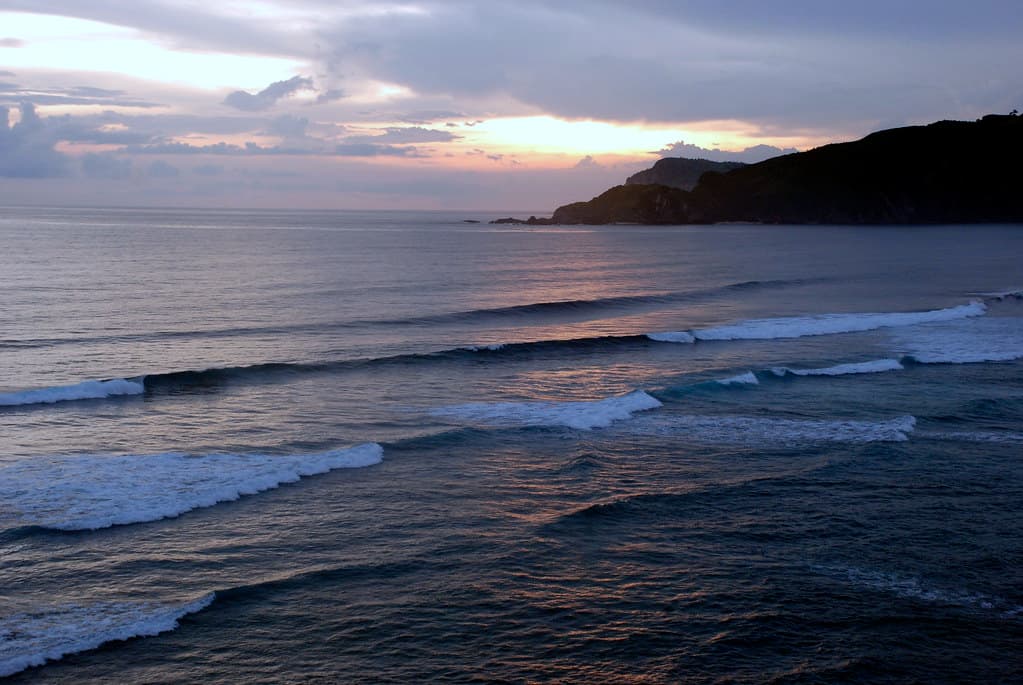
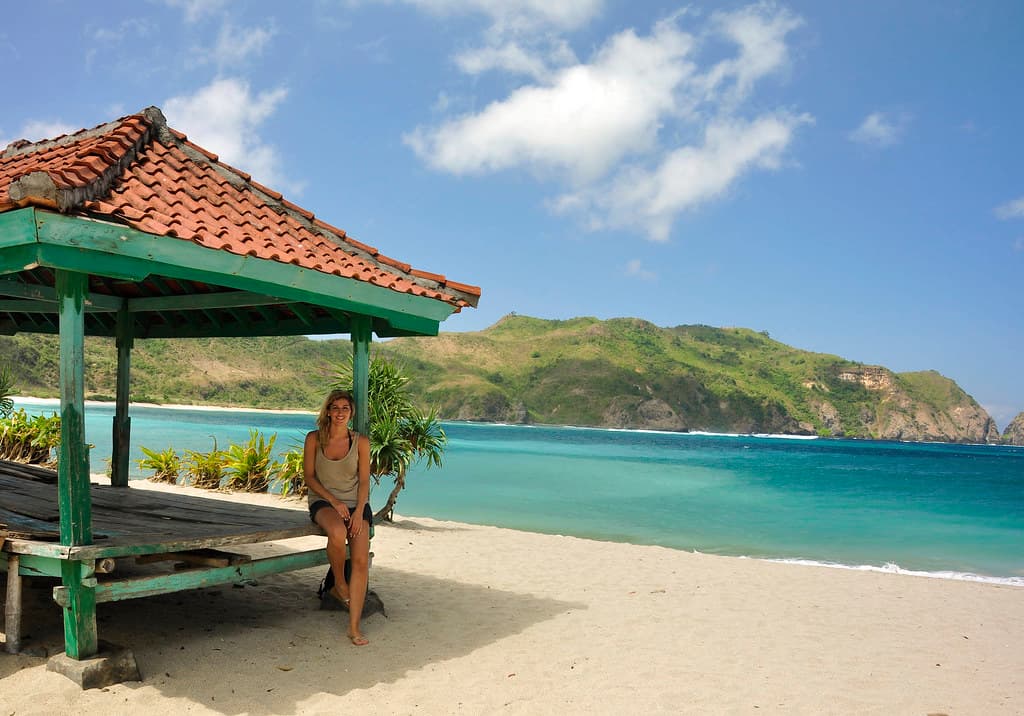
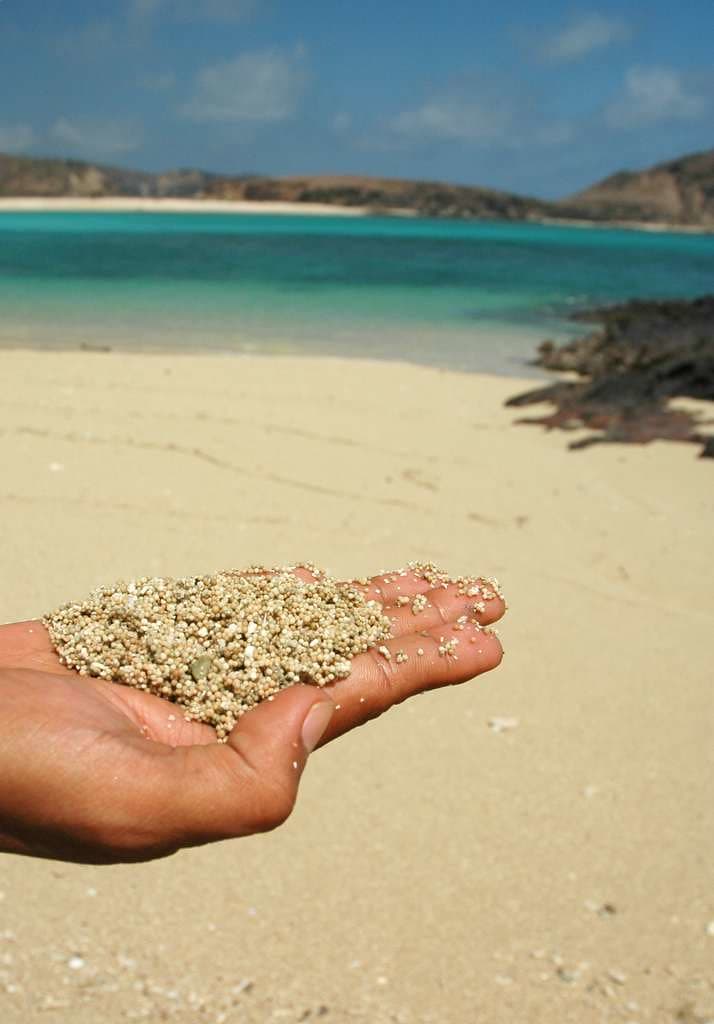
The beach announces itself in two acts. As you crest the coastal road from Kuta, the eastern bay unfurls first—a generous crescent where rolling swells meet shore in rhythmic, white-capped sets. Walk the narrow land bridge to the western bay and the tempo shifts entirely: calmer water, traditional outriggers tied to weathered posts, children splashing in shallows that stay knee-deep for thirty meters out. What sets Tanjung Aan apart is the sand itself. Crouch down and you'll notice the grains are spherical, not jagged—a geological quirk that makes the beach squeak underfoot when dry and pack firm when wet. The texture has drawn comparisons to sugar and salt, but run it through your fingers and you'll find it closer to fine-milled semolina. Under midday sun, the whiteness is almost blinding; by late afternoon, it takes on amber warmth. Beyond the twin bays, grassy headlands rise on either flank, their slopes dotted with grazing water buffalo and the occasional sarong-clad farmer. A single warung cluster anchors the eastern end, serving grilled fish and es kelapa muda under palm-thatch roofs. The scene feels unhurried, even as tour vans arrive from Senggigi. You'll share the sand, but there's enough of it—and the views are generous enough—that solitude comes in pockets.
Places, rentals, tours and events within walking and driving distance of Tanjung Aan Beach.
Photos
Tanjung Aan Beach generally offers calm, swimmable conditions, especially in the sheltered western bay area where the water is typically gentle and suitable for families. However, conditions vary depending on the season and tide. During the wet season (November-March), waves can become stronger and currents more unpredictable. The eastern section tends to have slightly rougher surf. Always check local conditions before entering the water, stay within designated swimming areas, and be cautious during high tide or after storms when currents can strengthen unexpectedly.
Tanjung Aan Beach is accessible year-round, but the dry season (April-October) offers the most reliable weather with sunny skies and calm seas, making it ideal for swimming and beach activities. July and August see peak crowds but also the best conditions. The wet season (November-March) brings afternoon rain showers and occasional rough seas, though mornings are often clear. For fewer crowds and still-good weather, consider visiting during shoulder months like April-May or September-October when you'll enjoy pleasant conditions with more space on the sand.
Tanjung Aan Beach is located about 20 kilometers east of Kuta Lombok and 50 kilometers from Lombok International Airport. Most visitors rent a scooter or car, or hire a driver for the day from Kuta, Senggigi, or Mataram. The road is paved and well-signposted. There's a parking area at the beach entrance with a small fee (typically 5,000-10,000 IDR for scooters, more for cars). The parking lot is a short walk from the sand. Organized tours from major Lombok towns also include Tanjung Aan as a stop.
Tanjung Aan Beach has several simple warungs (local eateries) along the beach serving Indonesian dishes, fresh seafood, and cold drinks at affordable prices. Facilities are basic but adequate for a day visit. For more dining options and accommodations, the nearby town of Kuta Lombok (about 5-10 minutes away) offers numerous hotels, guesthouses, restaurants, and beach clubs ranging from budget to mid-range. Most visitors stay in Kuta and visit Tanjung Aan as a day trip, though a few small guesthouses exist closer to the beach itself.
Tanjung Aan is famous for its distinctive pepper-like sand granules that are coarser and rounder than typical beach sand. The sand has a unique texture that feels almost like tiny beads rolling between your fingers. This characteristic sand, combined with the beach's turquoise waters, creates Lombok's most photogenic shoreline. The beach actually has two bays—the western bay with softer white sand and the eastern bay where the pepper sand is most prominent. This unusual sand composition is a major reason why Tanjung Aan is considered one of south Lombok's signature beaches.