Counting the waves…
Counting the waves…
A refined fusion of water purity, environmental stability, and communal vibrancy for Gili Bola Beach.
View MethodologyAnalyzed via live sensors and environmental data.
Wave height, wind, and atmospheric stability.
Live footfall and crowd balance metrics.
Community reviews and curated sentiment.
“You'll step off a wooden boat onto Gili Bola's shore and hear only the scrape of nets being mended and the snap of canvas sails. The sand runs warm beneath your feet, fine as confectioner's sugar, while the Flores Sea…”
Limited recent visitor reports — live OBI telemetry is your best guide for current conditions.
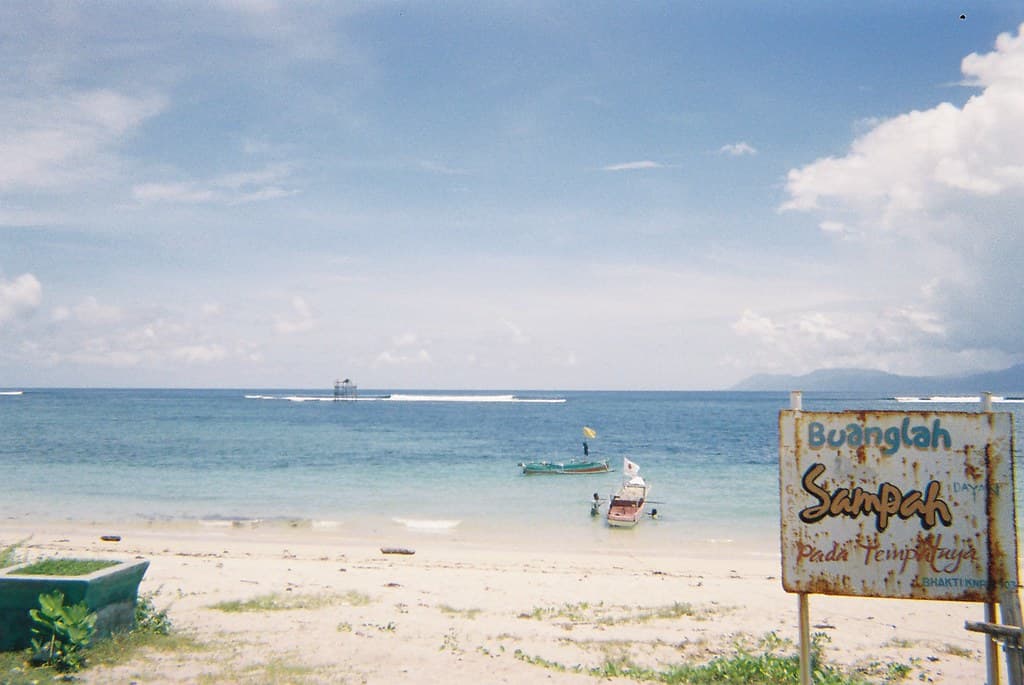
Gili Bola sits three nautical miles from Sape's concrete pier, a forgettable port town that most travelers pass through en route to Komodo. The island itself—barely a kilometer across—holds a single village of stilt houses, a grove of lontar palms, and a crescent of bone-white sand that glows against cobalt water. You'll share the beach with Bajo fishermen repairing nets and children diving for coins tossed by the occasional day-tripper. The shallow bay on the western side warms quickly in the sun, ideal for wading; the eastern shore drops away into cooler depths where eagle rays glide past.
There's no jetty, so your boatman will idle offshore while you wade the last ten meters, sarong bundled above your knees. Low tide exposes a mosaic of tide pools studded with urchins and anemones; high tide erases half the beach. Timing matters here. The few guesthouses on the island run on generator power for three hours each evening, and the only warung serves grilled snapper with sambal that makes your eyes water.
 Credit: Unsplash
Reef Drift
 Credit: Unsplash
Stilt Houses
Eastern drop-off at high tide
Dawn light on fishing village
Western bay ankle-deep mornings
Where it is
Gili Bola Beach
Sape, West Nusa Tenggara, Indonesia
-8.412000°, 118.181000°
Weather
Loading…
Swell
—
Temp
Warm · Restorative
UV Index
Moderate
Wind
—
Tidal State
Last known
Max Sunlight
—
Ideal Shade
—
May - Sep (Peak)
Jan - Dec (Off-season)
Historical data suggests peak visibility and stable sea temperatures occur during the prime visitation window.
Select a category to load nearby places.
Unlock restaurants, luxury stays and curated maritime experiences within 2km
Gili Bola Beach generally offers calm waters suitable for swimming, particularly during dry season months when seas are calmer. However, as this is a remote island beach with no lifeguards on duty, swimmers should exercise caution and assess conditions before entering the water. Currents can strengthen during monsoon season and around tide changes. The beach is relatively undeveloped, so no formal safety services are available. Always swim during daylight hours, stay within your comfort zone, and inform someone of your plans when visiting this isolated location.
The best time to visit Gili Bola Beach is during Indonesia's dry season from April to October, when you'll encounter sunny skies, calmer seas, and minimal rainfall. July and August offer the most reliable weather but can be windier. The wet season from November to March brings unpredictable rain and rougher seas, which may affect boat access to the island. That said, the beach is technically accessible year-round if weather permits boat travel from Sape, though visitors should check local conditions before planning their trip.
Reaching Gili Bola Beach requires taking a boat from Sape port in eastern Sumbawa. From Bima or Sape town, arrange transport to the port, then hire a local fishing boat or charter to Gili Bola island—journey time varies but typically takes 1-2 hours depending on sea conditions. There are no regular scheduled services, so you'll need to negotiate with boat owners directly. No parking is needed as the island itself has no roads or vehicles. This is a genuine off-the-beaten-path destination requiring advance planning and flexible timing.
Gili Bola is an uninhabited or minimally inhabited island with virtually no tourist infrastructure. Don't expect restaurants, hotels, or shops on the island itself. Visitors should bring all necessary supplies including food, water, sun protection, and any camping gear if planning to stay overnight. Most travelers visit as a day trip from Sape, where basic accommodation and local warungs (small restaurants) are available. Pack out all trash as there are no waste facilities. This remains a pristine, undeveloped beach destination suited for adventurous, self-sufficient travelers.
Unlike the famous Gili Islands near Lombok (Gili Trawangan, Meno, and Air), Gili Bola remains virtually unknown to mainstream tourism and sits off Sumbawa's coast near Sape. It offers authentic seclusion without the beach clubs, dive shops, or crowds found at more developed islands. The beach retains its wild, untouched character with pristine white sand and clear waters. Visiting requires genuine adventure spirit and self-sufficiency rather than resort comfort. It's ideal for travelers seeking complete escape and willing to forgo modern amenities for unspoiled natural beauty.
Photos