Counting the waves…
Counting the waves…
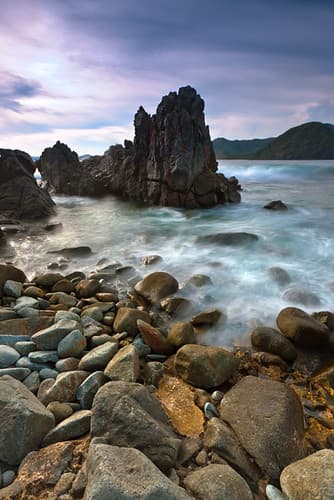
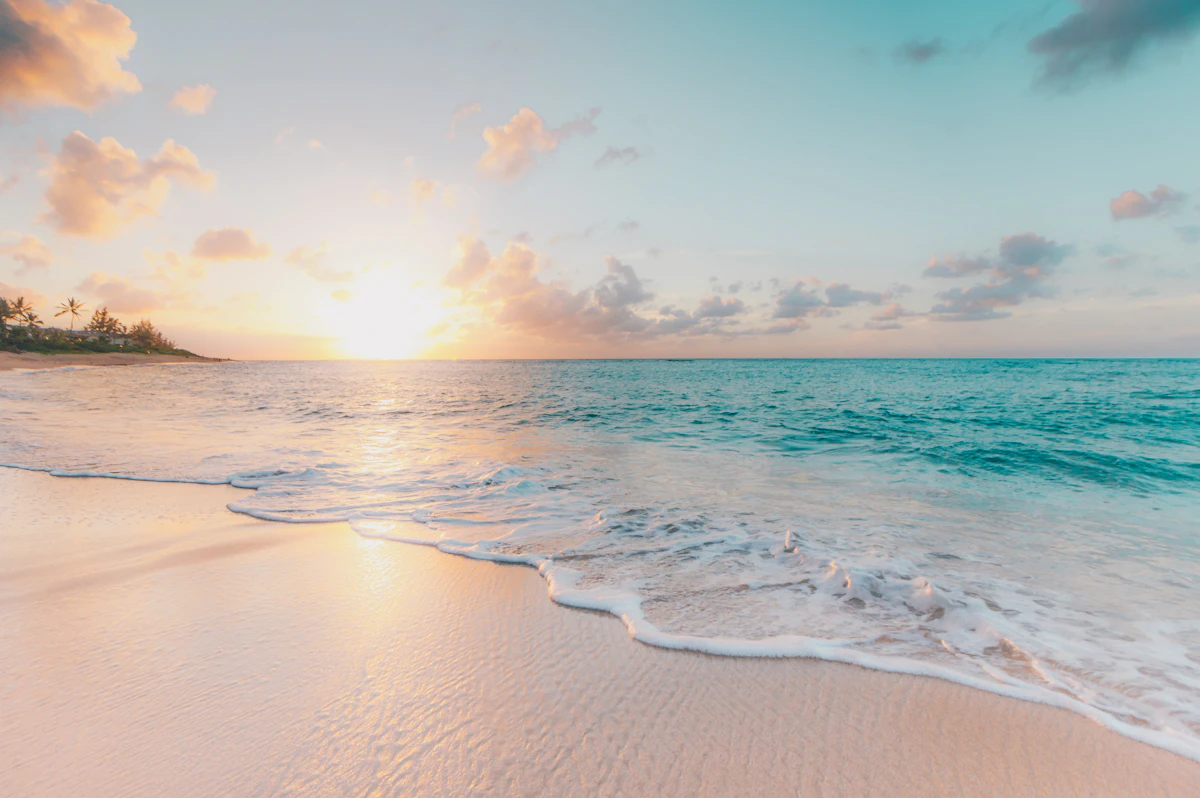
The road to Elak Elak dissolves from asphalt to rutted dirt before you catch your first glimpse of the bay—a slim crescent pressed between scrub-dotted headlands and water that shifts from jade to cobalt depending on the clouds. No beach clubs here, no lineup of sun loungers. Just a stretch of pale sand studded with the occasional coconut husk and fishing net drying in coils. The stillness is near-absolute, broken only by the slap of waves against outriggers and the far-off thrum of a boat engine. You'll wade into bathwater shallows that extend twenty meters before the bottom drops, the sand underfoot fine and cool. Snorkeling the western edge reveals coral gardens nursing damselfish and parrotfish, though the real draw is the solitude—entire hours pass without another swimmer. A handful of warungs perch above the tide line, serving grilled snapper and es kelapa muda under thatched roofs that shudder in the afternoon breeze. Sekotong remains a footnote on most Lombok itineraries, which works in your favor. Elak Elak doesn't cater; it simply exists, unhurried and unadorned, the kind of beach where you measure time by the tide rather than the clock.
Places, rentals, tours and events within walking and driving distance of Elak Elak Beach.
Photos
Elak Elak Beach generally offers calm, shallow waters suitable for swimming, especially during dry season. The bay's protected location in Sekotong reduces strong currents compared to exposed coastlines. However, always assess conditions upon arrival, as waves can increase during monsoon season (November-March). The beach is relatively isolated with limited lifeguard presence, so swimmers should exercise caution and avoid going out too far. Snorkeling is popular near the shore where waters remain tranquil. Check with locals or your accommodation about current conditions before entering the water.
Elak Elak Beach is accessible year-round, but the dry season from April to October offers the most reliable weather with calmer seas and clear skies ideal for beach activities and snorkeling. The wet season (November-March) brings occasional tropical downpours, though rain often comes in short bursts rather than all-day storms. Seas may be choppier during this period. For the clearest waters and most pleasant conditions, visit between May and September. Being a hidden gem, the beach rarely feels crowded regardless of season, offering a peaceful experience throughout the year.
Elak Elak Beach is located in Sekotong Barat, approximately 1.5-2 hours' drive south from Mataram or Senggigi in Lombok. You'll need a scooter or private car, as public transport doesn't reach this remote area. From the main Sekotong road, follow local signs toward the coast along smaller roads that may be unpaved. Basic parking is typically available near the beach entrance. Many visitors arrange transportation through their hotel or hire a driver for the day. The journey involves navigating rural roads, so GPS and asking locals for directions is recommended.
Elak Elak Beach is quite undeveloped with minimal facilities directly on-site. You may find small local warungs (food stalls) offering simple Indonesian meals and refreshments, though availability can be unpredictable. It's wise to bring your own water and snacks. The broader Sekotong area has basic guesthouses and a growing number of small resorts and homestays, mostly concentrated around other beaches in the region. For more dining and accommodation options, staying in nearby Sekotong village or planning a day trip from Senggigi offers more reliable amenities while keeping this hidden beach accessible.
Elak Elak Beach stands out for its untouched, off-the-beaten-path character in Southwest Lombok. Unlike the developed beaches of Senggigi or the Gili Islands, this hidden gem features pristine white sand with minimal crowds and commercial development. The beach offers authentic local atmosphere, with traditional fishing boats often dotting the shoreline. Its location in Sekotong provides stunning views toward nearby small islands and excellent snorkeling opportunities close to shore. The journey to reach it through rural countryside adds to the adventure, rewarding visitors seeking genuine seclusion and natural beauty away from tourist hotspots.