Counting the waves…
Counting the waves…
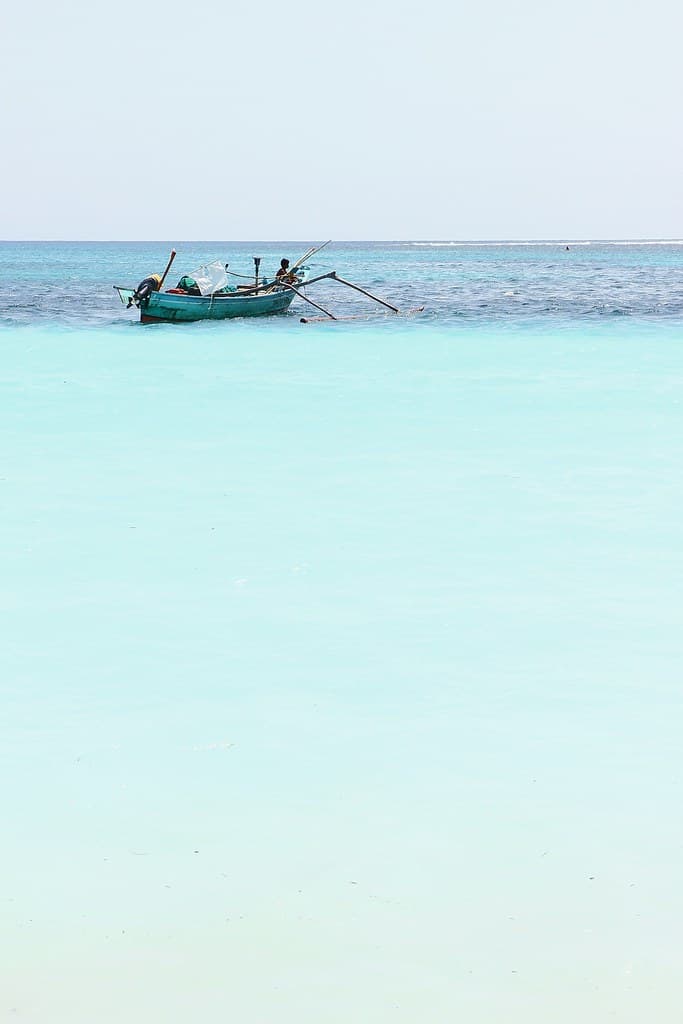
The drive from Taliwang town winds through tobacco fields and past stilt houses where children wave from porches. When the road finally meets the sea, Jelenga Beach unfolds as a charcoal-gray crescent, its volcanic sand hot underfoot by midmorning, cooled by the shallow tidal pools that form between the rocks. The Indian Ocean here doesn't whisper—it announces itself in sets that march toward the point with the regularity of a metronome, breaking left across a forgiving reef that's claimed far fewer boards than Bali's sharper cousins. You'll share the line-up with a handful of Jakarta surfers who've made the pilgrimage and local teenagers on hand-me-down boards, their laughter audible between sets. Onshore, the scene is equally unhurried: a few modest guesthouses, a handful of warungs serving nasi goreng and sweet kopi, and fishermen who launch wooden outriggers through the shorebreak at first light, returning with snapper and squid by noon. The absence of beach clubs and Instagram crowds isn't an oversight—it's the point. Jelenga exists in the Indonesia that predates the influencer economy, where a day's agenda is dictated by tide charts and hunger, not curated itineraries. The sunsets here paint the sky in shades of persimmon and ash, best watched from the sand with a cold Bintang and no agenda beyond the next swell.
Places, rentals, tours and events within walking and driving distance of Jelenga Beach.
Photos
Jelenga Beach is primarily known as a surf destination, which means it typically has strong waves and currents that can make swimming challenging for casual beachgoers. The conditions that attract surfers—powerful swells and breaks—can be dangerous for inexperienced swimmers. If you're not a confident swimmer or surfer, it's best to stay in shallow areas and be cautious of undertows. Always observe local conditions, check with locals about current wave patterns, and never swim alone. The beach is more suitable for surfing than casual swimming.
Jelenga Beach can be visited year-round due to West Nusa Tenggara's tropical climate, but conditions vary by season. The dry season (April to October) generally offers the most consistent surf and pleasant weather with less rainfall. Peak surf conditions typically occur during the southeast trade winds season. The wet season (November to March) brings more rain but can still have good waves. For the best combination of surfing conditions and comfortable weather, plan your visit during the dry months, particularly between May and September.
Jelenga Beach is located in Taliwang, West Nusa Tenggara, on Sumbawa Island. Access typically requires flying to nearby airports and then driving, or taking a ferry from Lombok. From Taliwang town, you can reach the beach by car or motorbike. The road conditions can vary, so inquire locally about the current route status. As a relatively popular surf destination, there is usually parking available near the beach, though facilities may be basic. Renting a scooter or hiring a local driver is often the most practical option.
Jelenga Beach has basic amenities typical of Indonesian surf beaches, with small warungs (local food stalls) offering Indonesian meals and refreshments. Accommodation options in the immediate area tend to be simple, ranging from basic guesthouses to small surf camps. For more extensive facilities and dining choices, Taliwang town is the nearest hub with additional hotels and restaurants. Many surfers stay in modest beachside accommodation to be close to the waves. It's advisable to bring cash, as card facilities may be limited in this area.
Jelenga Beach is known among surfers for its consistent waves and scenic coastal setting in West Nusa Tenggara. The beach offers quality surf breaks that attract both local and international surfers seeking less crowded waves compared to Bali's more famous spots. The surrounding landscape provides a beautiful backdrop while surfing. As Sumbawa remains somewhat off the typical tourist trail, Jelenga Beach offers a more authentic Indonesian surfing experience with opportunities to connect with local surf culture in a less commercialized environment than Indonesia's better-known surf destinations.