Counting the waves…
Counting the waves…
A refined fusion of water purity, environmental stability, and communal vibrancy for Cala Jannita.
View MethodologyAnalyzed via live sensors and environmental data.
Wave height, wind, and atmospheric stability.
Live footfall and crowd balance metrics.
Community reviews and curated sentiment.
“You descend stone steps carved into the cliff face, counting each switchback until the cove opens below: a charcoal crescent barely fifty meters wide. The beach hums with pebbles rolling in the surf, each wave…”
Limited recent visitor reports — live OBI telemetry is your best guide for current conditions.
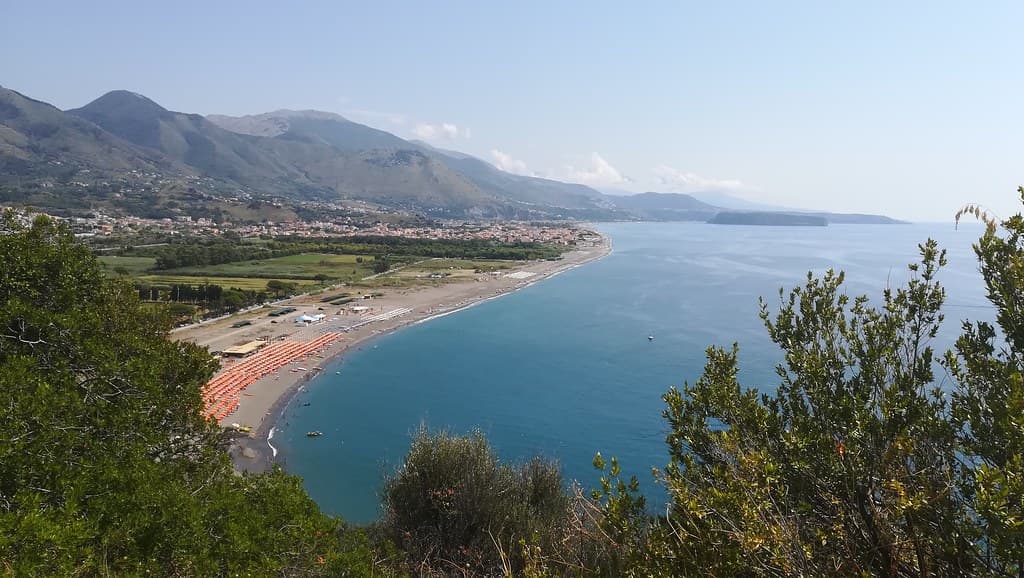
You reach Cala Jannita by following a steep path that zigzags down the rock face, gripping the metal railing as loose scree shifts underfoot. The cove announces itself first by sound—the clatter of wave-rounded stones tumbling in the shore break—then by the shock of dark sand against turquoise water. Volcanic pebbles cover the beach in shades of graphite and rust, warm to the touch by midday, and you spread your towel on top knowing the stones will shift and poke through the fabric.
The cliffs wrap the cove in an amphitheater of limestone and scrub pine, blocking wind and funneling afternoon sun directly onto the narrow shore. To your left, a sea cave yawns in the rock wall, its mouth draped with algae that sways in the tidal pulse. You wade in carefully—the pebbles roll underfoot like marbles—and once you're waist-deep, the bottom gives way to sand and the water clarity startles: you can count your toes three meters down. Snorkelers drift along the cliff base, peering into crevices where damselfish dart.
 Credit: Unsplash
sea waves crashing on shore during daytime
 Credit: Unsplash
body of water near mountain during daytime
Light plays in rock mouth
Clear water reveals fish
Sandy bottom beyond pebbles
Prime Visitation
Best Weather|Less Crowds
Where it is
Cala Jannita
Maratea, Basilicata, Italy
39.987200°, 15.706400°
Weather
Loading…
Swell
—
Temp
Warm · Restorative
UV Index
Moderate
Wind
—
Tidal State
Last known
Max Sunlight
—
Ideal Shade
—
May - Sep (Peak)
Jan - Dec (Off-season)
Best Weather|Less Crowds
Select a category to load nearby places.
Unlock restaurants, luxury stays and curated maritime experiences within 2km
Swimming at Cala Jannita is generally safe for confident swimmers, though the beach has no lifeguard services. The cove's sheltered position usually means calm waters, but depth increases quickly from shore due to the beach's small size. The dark volcanic sand and pebbles provide good footing. Water clarity is excellent, allowing you to see the bottom. Avoid swimming during rough weather or strong winds, which can create currents. The beach's remote nature means limited emergency access, so assess conditions carefully before entering the water.
Visit Cala Jannita on weekday mornings in June or September for the best chance of experiencing its beauty with minimal crowds. The beach's Instagram fame means it's increasingly popular, especially in July and August when even this hidden spot gets busy. Arriving at sunrise or before 9 AM offers the most peaceful experience and best photography light. Avoid August weekends entirely. The beach's tiny size means even a dozen visitors can feel crowded. Consider visiting in May or October if you prioritize solitude over swimming warmth.
Reaching Cala Jannita requires effort and planning. By car, drive the SS18 and watch for small signs; parking is limited along the roadside. From the road, a steep, rough path descends to the beach—the hike takes 15-20 minutes and can be challenging, especially in heat or with children. Wear proper footwear and bring water. Alternatively, boat tours from Maratea marina offer easier access and often include Cala Jannita as a highlight stop. The difficult access is part of what keeps it relatively hidden.
Cala Jannita is completely undeveloped with no facilities whatsoever. There are no restaurants, bars, toilets, changing rooms, or shade structures. Visitors must bring everything they need: food, water, sun protection, and beach equipment. The nearest services are several kilometers away in Maratea or along the coast. Pack out all trash to preserve this pristine environment. The lack of facilities is part of the beach's wild appeal, but requires preparation. Consider the challenging access when deciding what to carry down.
Cala Jannita's exceptional beauty comes from its dramatic contrasts and intimate scale. The small cove features distinctive dark volcanic sand and pebbles against impossibly clear turquoise water, all framed by towering white and grey limestone cliffs. The compact size creates a secret-paradise feeling, while rock formations and cliff angles provide endless photo compositions. The interplay of dark beach, bright cliffs, and jewel-toned sea creates striking color contrasts. Its relatively hidden status and unspoiled nature add to the photogenic appeal, offering that rare untouched Mediterranean beauty.
Photos