Counting the waves…
Counting the waves…
A refined fusion of water purity, environmental stability, and communal vibrancy for Spiaggia della Grotta.
View MethodologyAnalyzed via live sensors and environmental data.
Wave height, wind, and atmospheric stability.
Live footfall and crowd balance metrics.
Community reviews and curated sentiment.
“The cave entrance sits just above the waterline, large enough to swim into at mid-tide. Inside, the light turns aquamarine, reflecting off the water's surface to paint the stone ceiling. Outside, the cove forms a…”
Limited recent visitor reports — live OBI telemetry is your best guide for current conditions.
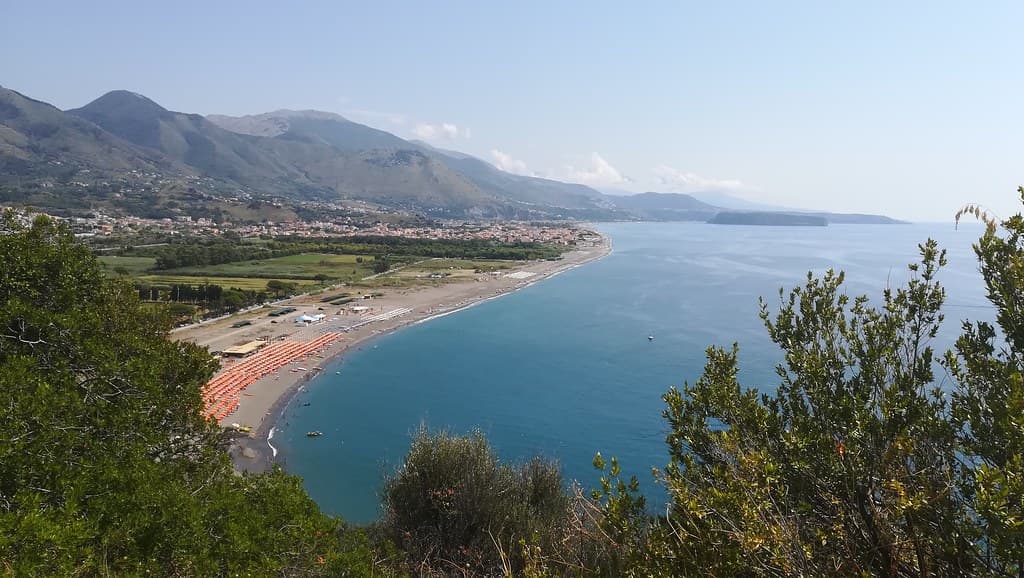
You reach the cove by boat or by a scrambling descent that requires attention—loose rocks, narrow footholds, the occasional need to lower yourself backward until your feet find purchase. The beach, when you arrive, is more white stone than sand, the rocks ranging from egg-sized to large enough to sit on. They're limestone, worn smooth by the Tyrrhenian's constant work, and they shine when wet, brilliant white against the sea's deep blue. The cave dominates the northern end, its opening a dark mouth in the cliff that beckons immediately.
Swimming into the grotto requires timing. At high tide, the entrance sits too low, waves surging in and threatening to scrape you against the roof. At low tide, you can slip inside easily, the water chest-deep, the chamber opening overhead into a dome perhaps five meters high. Light enters through the opening and through cracks in the stone above, creating shifting patterns of illumination that move across the walls as the water outside rises and falls. The temperature drops noticeably inside—the stone holds coolness, and the lack of direct sun keeps the water several degrees colder than the open cove. Small fish shelter here, and the walls below the waterline are thick with organisms that prefer shade—sponges, tunicates, juvenile octopus.
 Credit: Unsplash
sea waves crashing on shore during daytime
 Credit: Unsplash
body of water near mountain during daytime
Timed entry through cave mouth
Interior reflections paint limestone walls
Shade-loving species coat stone below
Prime Visitation
Best Weather|Less Crowds
Where it is
Spiaggia della Grotta
Maratea, Basilicata, Italy
39.990400°, 15.704900°
Weather
Loading…
Swell
—
Temp
Warm · Restorative
UV Index
Moderate
Wind
—
Tidal State
Last known
Max Sunlight
—
Ideal Shade
—
May - Sep (Peak)
Jan - Dec (Off-season)
Best Weather|Less Crowds
Select a category to load nearby places.
Unlock restaurants, luxury stays and curated maritime experiences within 2km
Swimming at Spiaggia della Grotta is generally safe in calm conditions, though as a compact cove near cliffs and caves, caution is necessary. The beach may have rocky areas and uneven underwater terrain typical of Maratea's dramatic coastline. Lifeguards are typically not present at smaller coves like this, so swimmers must independently assess sea conditions and their abilities. The proximity to caves and rock formations makes it particularly important to be aware of your surroundings. Best suited for confident swimmers, the crystal-clear waters allow good visibility. Always check weather forecasts and avoid swimming in rough seas or strong winds.
Visit Spiaggia della Grotta between June and September for optimal swimming and weather conditions. The beach is particularly photogenic throughout the day thanks to its cave and cliff features, making it popular with Instagram enthusiasts. For fewer crowds and better photo opportunities, arrive early morning or late afternoon, especially during July and August. Shoulder months of May, June, and September offer pleasant weather with significantly fewer visitors. Midday sun highlights the cave formations beautifully but brings more heat and people. Consider visiting on weekdays rather than weekends for a more peaceful, intimate experience suitable for photography and exploration.
Spiaggia della Grotta is accessed via Maratea's coastal roads, typically requiring a car to reach the area near the cave-and-cliff shoreline. From Maratea town, follow coastal routes and look for signs or access points to this specific cove. Some beaches in this area may require short walks, descending steps, or paths from roadside parking. Parking is often limited and informal. The beach's compact, hidden nature means GPS coordinates or local guidance can be helpful. Boat access is also possible during summer months, with some local operators offering coastal tours that stop at various coves including those near caves and grottoes.
Spiaggia della Grotta, being a small, natural cove, typically has minimal or no facilities on-site. Visitors should bring all necessary supplies including water, food, sun protection, and beach equipment. For accommodations and dining, the main town of Maratea offers hotels, B&Bs, restaurants, and shops within a reasonable drive. Some seasonal beach clubs along Maratea's coast provide umbrella rentals and refreshments, though not necessarily at this specific cove. The lack of commercial development preserves the natural beauty that makes the beach photogenic. Come prepared for a more rustic beach experience focused on natural scenery rather than amenities.
Spiaggia della Grotta stands out for its dramatic cave and cliff formations that create stunning visual backdrops perfect for Instagram content. The interplay of rock formations, crystalline waters, and natural grottoes provides unique compositional elements not found at standard sandy beaches. The name itself references the grotta (cave), which offers interesting geological features and natural framing for photos. The compact size and intimate setting create atmospheric shots with Maratea's characteristic coastal drama. Crystal-clear waters reveal vibrant turquoise and blue hues that photograph beautifully. The combination of natural architecture and secluded ambiance makes it highly photogenic and share-worthy.
Photos