Counting the waves…
Counting the waves…
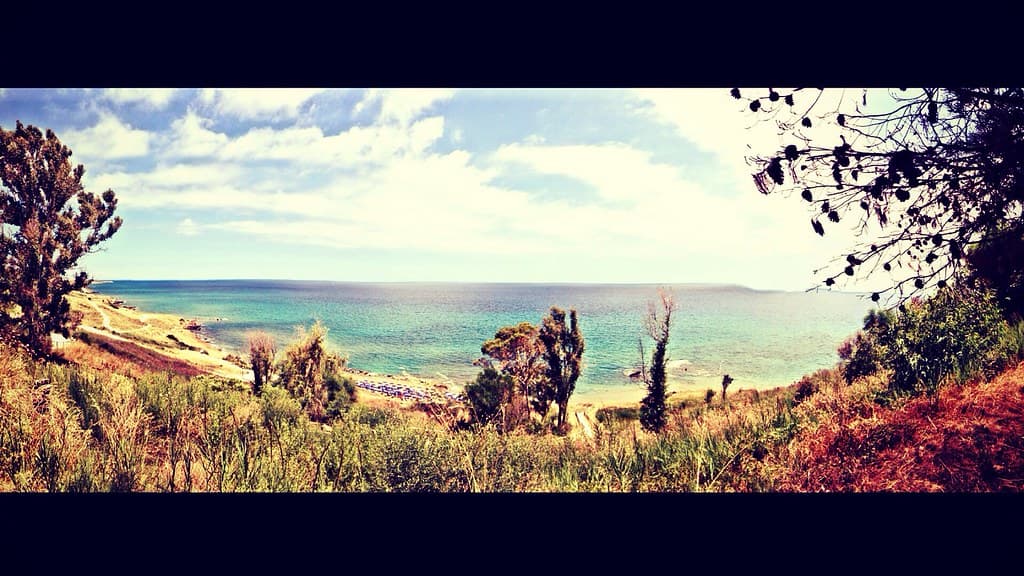
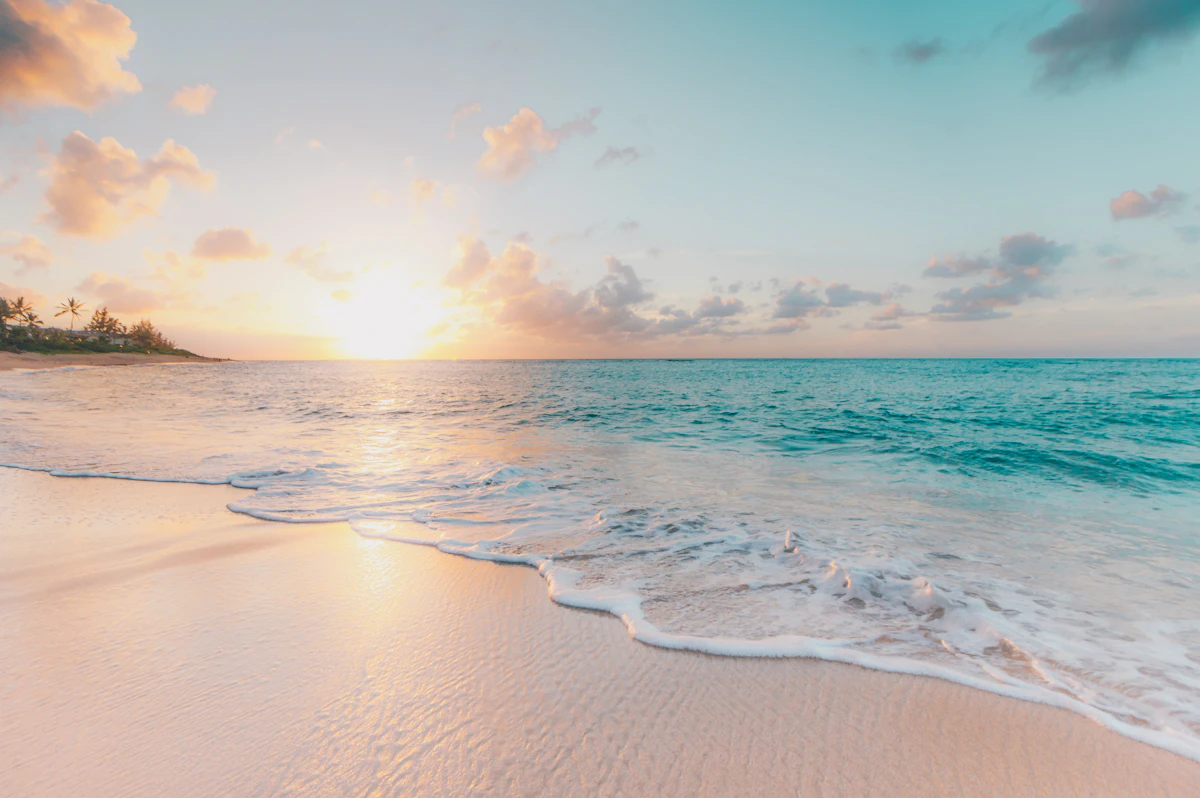
You reach Crotone's beach by simply walking toward the water—no expedition required, no hidden access points, just a direct line from the city center to the sand. The beach unfolds along the urban waterfront, backed by the lungomare promenade where runners and dog-walkers trace the same route locals have followed for generations. The sand is coarse but genuine, the water a shifting blend of blue and green depending on the light and the weather rolling in off the Ionian. This is not a pristine resort beach—it's a city beach, which means you share the space with Crotone itself. Morning swimmers do their laps while the port wakes up in the distance. Families arrive by late morning, claiming spots near the lidos or spreading towels in the free zones. The water is warm and surprisingly clean, the seabed sandy and gradually sloping, and by midday the beach has settled into that particular rhythm of urban seaside life: vendors selling coconuts, teenagers playing music from phones, someone's grandmother reading La Settimana Enigmistica beneath an umbrella. The lungomare comes alive in the evening when the heat breaks—couples strolling, kids on bikes, the smell of fritto misto from the beachfront restaurants mixing with salt air. You can walk from your hotel to the beach in ten minutes, swim before breakfast, return for an afternoon dip, and end the day with Aperol and olives while watching fishing boats return to port. It's beach access as urban amenity, and Crotone wears it well.
Places, rentals, tours and events within walking and driving distance of Crotone City Beach.
Photos
Crotone City Beach is generally safe for swimming, with lifeguards present during summer season at established beach sections. As an urban beach, water quality can vary; check local reports during your visit. The Ionian Sea here is typically calm with gentle waves suitable for families. The sandy bottom slopes gradually. Some areas may have rocks or infrastructure, so swim in designated zones. The beach is well-maintained by the municipality and stabilimenti. Summer conditions are usually excellent, though spring and autumn may bring variable sea states.
Crotone City Beach is accessible year-round, making it convenient for any season. Peak beach season runs June through September with warmest weather and full services. The waterfront promenade offers pleasant walks and dining even in cooler months. For swimming and sunbathing, July and August are ideal but crowded. May, June, and September provide good weather with fewer tourists. The urban setting means restaurants, cafes, and attractions remain open beyond beach season, making spring and autumn attractive for combining beach time with exploring Crotone's archaeology and historic sites.
Crotone City Beach is easily accessible as it anchors the city waterfront. Crotone has its own airport (Sant'Anna Airport) with limited seasonal flights, or reach it from Lamezia Terme airport (90 minutes by car). Regional trains connect Crotone to other Calabrian cities on the Ionian coast. Within the city, the beach is walkable from the centre, or take local buses. Ample parking is available along the waterfront, though spaces fill quickly in summer. The SS106 coastal highway provides straightforward driving access from north or south.
Crotone's urban setting provides extensive accommodation options from beachfront hotels to city-centre bed and breakfasts and apartments at various price points. The waterfront lungomare features numerous restaurants, pizzerias, bars, and gelaterias serving fresh seafood and Calabrian specialties. Beach stabilimenti offer casual dining and refreshments. The city centre, within walking distance, has additional restaurants, cafes, and markets. Supermarkets serve self-catering needs. The range of options exceeds smaller coastal towns. Evening passeggiata culture means lively waterfront dining and socializing, especially in summer.
Crotone City Beach uniquely combines urban convenience with beach access. As Calabria's provincial capital on the Ionian coast, it offers city amenities—museums, archaeological sites, shopping, diverse dining—alongside beachfront relaxation. The ancient Greek heritage (Kroton) adds cultural depth most resort beaches lack. You can explore the castle, archaeological museum, and historic centre, then walk to the beach. The working-city atmosphere contrasts with pure resort towns, providing authentic local life. The waterfront promenade creates a vibrant social scene blending beach culture with urban energy.