Counting the waves…
Counting the waves…
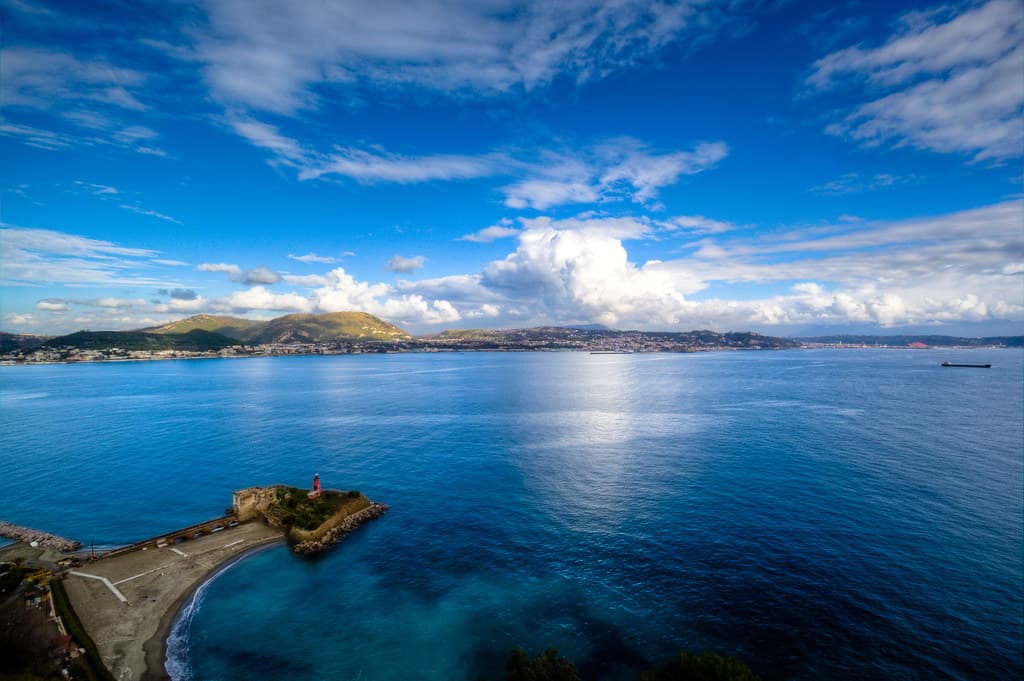
Spiaggia del Poggio hides in plain sight along Bacoli's western edge, a small sandy crescent framed by low tuff cliffs that glow ochre in the afternoon. The beach faces west into the gulf, but the real geography lesson happens behind you: Lago Fusaro, a brackish lagoon separated from the sea by a narrow spit, sits close enough that you can smell its reedy banks between gusts of salt air. This duality—sea and lake, open and enclosed—gives the spot an unusual intimacy. The sand is fine and golden, the water entry gradual. Families claim patches early, spreading towels near the shoreline where the shallows stay warm and waveless. There's no commercial chaos here, no loudspeaker music or jet-ski rental kiosks—just a few seasonal umbrellas, a gelato cart, and the occasional fishing boat puttering past the headland. The locals know the tides, the best hours, the sheltered corners when the scirocco kicks up. What keeps people returning is the sense of enclosure. The cliffs buffer the wind, the lake adds a layer of geographic seclusion, and the small scale ensures you're never competing for space. You'll swim in water so clear you can count the pebbles below, dry off on warm sand, then walk fifty meters to the lagoon's edge where herons stalk the shallows and the Casino Reale sits like a forgotten stage set on its artificial island.
Places, rentals, tours and events within walking and driving distance of Spiaggia del Poggio.
Photos
Spiaggia del Poggio is generally safe for swimming, particularly because it's sheltered and used primarily by locals who know the area well. The beach is family-friendly with calm, shallow waters ideal for children. However, facilities are basic, so bring your own shade, snacks, and water. Always supervise children closely as lifeguard services may not be consistently available. The small size means it's easy to keep an eye on your group, and the local atmosphere creates a relaxed, community feel.
The best time to visit is May, June, or September when weather is warm and sunny but crowds are minimal. July and August bring the hottest temperatures and more local visitors, though this beach rarely becomes overcrowded due to its hidden nature. Weekdays are quieter than weekends year-round. Early morning or late afternoon visits offer the most peaceful experience. Spring and early autumn provide pleasant swimming conditions with water temperatures still comfortable and the advantage of avoiding peak summer heat.
Spiaggia del Poggio is located in Bacoli, part of the Phlegraean Fields area west of Naples. By car, take the SS7 Quater road toward Bacoli and follow local signs; parking can be limited near the beach. Public transport includes taking the Cumana railway from Naples to Baia or Bacoli stations, then walking or taking a local bus. The beach is somewhat tucked away, so ask locals for directions or use GPS coordinates. Having your own transport provides the most flexibility for exploring this less-touristed area.
Bacoli town centre, a short distance from the beach, offers various trattorias, pizzerias, and cafés serving fresh seafood and traditional Campanian cuisine. Accommodation options include small hotels, bed and breakfasts, and vacation rentals scattered throughout Bacoli and nearby Baia. For more extensive lodging choices, consider staying in Pozzuoli or even Naples and making a day trip. Beach facilities are minimal, so bring refreshments or plan to walk to nearby establishments. The area is known for authentic, locally-priced dining rather than tourist-oriented restaurants.
Spiaggia del Poggio stands out for its proximity to Lake Miseno and its position within the historically rich Phlegraean Fields area. Unlike the more famous Amalfi or Sorrento coasts, this beach offers an authentic local experience with minimal tourist infrastructure. The sheltered waters and small scale create an intimate atmosphere perfect for those seeking tranquility. The surrounding area is steeped in ancient Roman history, with archaeological sites nearby. It's ideal for travelers wanting to combine beach relaxation with cultural exploration away from crowded tourist hotspots.