Counting the waves…
Counting the waves…

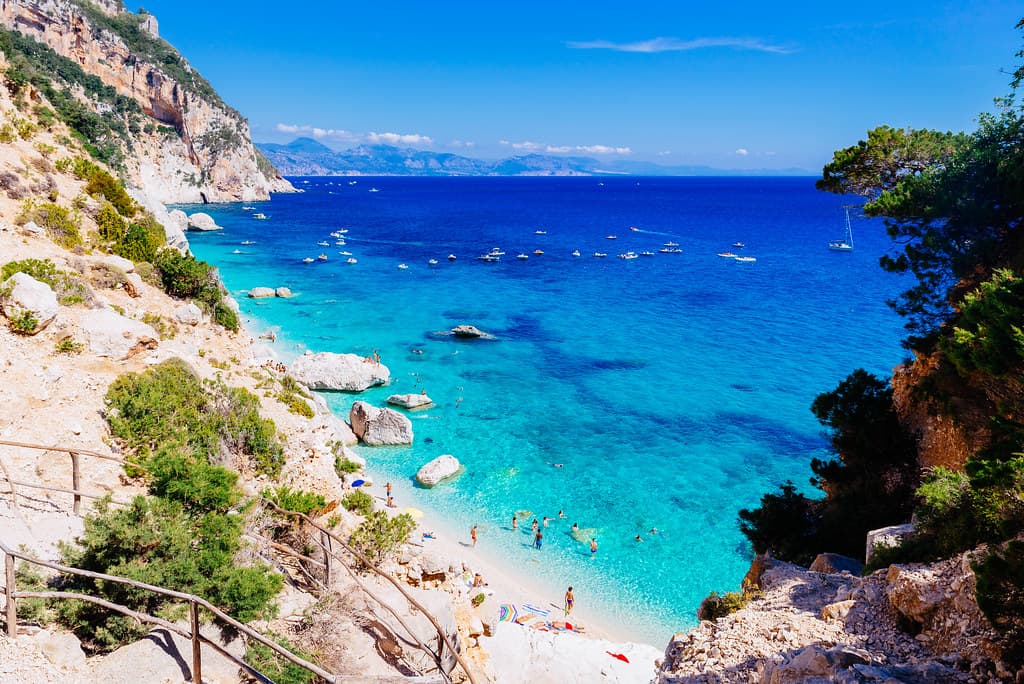
The boat slows as the cove opens before you, cliffs rising three hundred feet in vertical fins of limestone riddled with caves and ledges where wild goats balance impossibly. The beach is small—maybe forty meters of mixed pebbles and coarse sand wedged between rock walls. You wade ashore through water that shifts from deep sapphire to pale jade as the bottom rises, and you notice the temperature drops suddenly where underground streams push through the stones. This cove sits between Mariolu to the north and Goloritzé to the south, less photographed than either but equally dramatic. The rock faces show the violence of their creation—twisted strata, fracture lines, whole sections that look ready to calve into the sea. Maquis clings to every crack: wild olive, lentisk, the occasional splash of yellow broom. The air smells of salt and aromatic shrub, intensified by sun on stone. Snorkeling the northern wall, you follow the cliff face as it plunges underwater, its surface pocked with holes where octopus den and damselfish dart in electric blue streaks. The water is so clear that depth perception fails—what looks like ten feet down is twenty. When you surface, you might see climbers on the high routes above, their chalk bags bright against the gray rock, their voices carrying down in fragments. The cove holds sound strangely, amplifying some noises while swallowing others completely.
Places, rentals, tours and events within walking and driving distance of Cala Biriola.
Photos
Cala Biriola is generally safe for swimming, with calm, clear waters ideal for snorkeling. The cove's sheltered position between dramatic cliffs provides natural protection from strong currents. However, the beach consists of pebbles and rocks, so water shoes are recommended. The seabed drops off relatively quickly, making it less suitable for very young children. Snorkelers will find excellent visibility and interesting underwater rock formations to explore. Always check weather conditions before visiting, as boat access can be affected by rough seas.
The best time to visit Cala Biriola is from late May to early June or September to early October. These shoulder season months offer excellent weather with warm temperatures and clear waters, while avoiding the peak July-August crowds. Morning visits provide the best lighting for photography and cooler temperatures. The cove faces east, so it receives beautiful morning sun. Weather is most stable from June through September, though August sees the highest visitor numbers. Spring and early autumn offer a more peaceful experience with pleasant swimming conditions.
Cala Biriola is accessible primarily by boat from ports like Cala Gonone, Santa Maria Navarrese, or Arbatax. Tourist boats and private charters regularly visit during summer months, often as part of multi-cove tours along the Gulf of Orosei. There is also a challenging hiking trail from the Altopiano del Golgo, which takes several hours and requires good fitness and navigation skills. The hike is not recommended in summer heat. No roads reach the beach, making boat access the most practical option for most visitors.
Cala Biriola has no restaurants, bars, or accommodations directly on the beach. It remains completely undeveloped, which preserves its natural beauty but requires visitors to be self-sufficient. Bring all food, water, and supplies you'll need for the day, and remember to take all rubbish with you. The nearest accommodations and dining options are in towns like Baunei, Santa Maria Navarrese, or Cala Gonone, which serve as bases for exploring the Gulf of Orosei. Many boat tours include lunch or refreshments as part of their package.
Cala Biriola stands out for its dramatic cliff backdrop and position between the gulf's more famous coves, offering a slightly quieter alternative while maintaining the same spectacular turquoise waters. The beach features distinctive white and pink pebbles rather than sand, and the surrounding limestone cliffs create an intimate, enclosed feeling. It's particularly appreciated by snorkelers for its clear waters and underwater rock formations. Being less iconic than neighbors like Cala Mariolu or Cala Goloritzé, it often receives fewer visitors, providing a more tranquil experience while still delivering the stunning scenery.