Counting the waves…
Counting the waves…
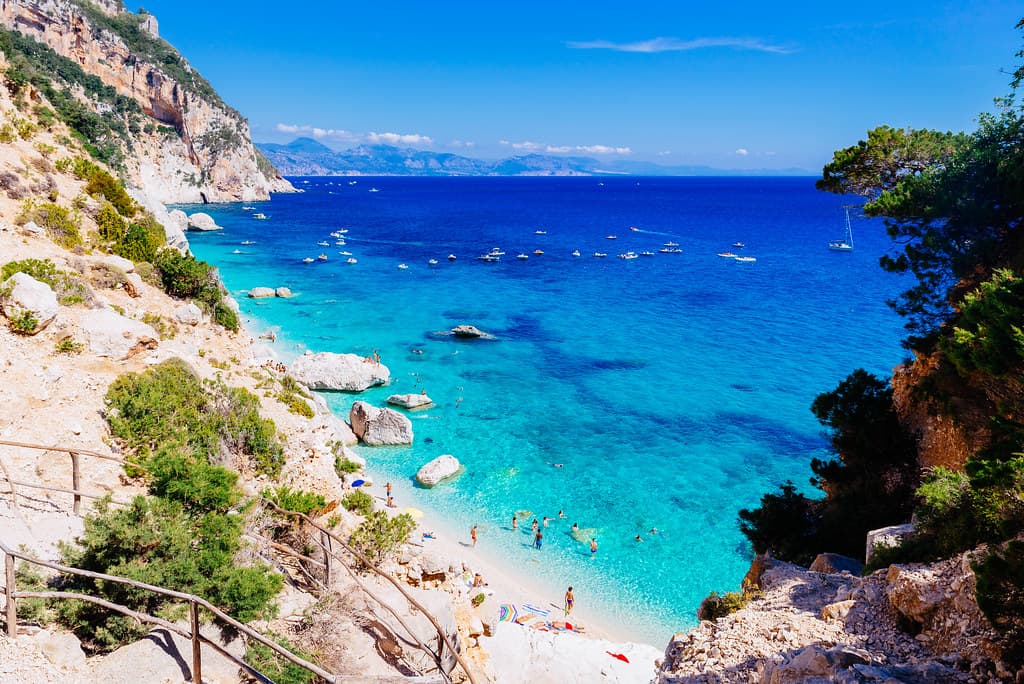
You see the pinnacle from a kilometer offshore, that improbable limestone spire rising from the surf like a monument to geologic violence. As the boat approaches, the scale clarifies—nearly two hundred feet of vertical rock, its surface pocked and weathered, topped with a cap of vegetation that somehow finds purchase in bare stone. The cove itself opens in a perfect arc, cliffs embracing a small beach of rounded white stones that click and shift underfoot with each wave. This is a protected area now, with strict anchoring prohibitions and a daily visitor limit enforced by park rangers who motor between the coves checking permits. The beach is small, perhaps fifty meters of pebbles, and on peak summer days it fills entirely with bodies, towels pressed edge to edge. Yet the water remains extraordinary—that shade of blue that defies accurate description, ranging from deep indigo in the boat channels to pale aquamarine over the white stone bottom. You can read the date on a coin in four meters of water. The pinnacle draws climbers who've secured advance permits through the park authority. You'll see them on the face, moving slowly up routes with names like Sinfonia dei Mulini and Toccata e Fuga, their gear clinking faintly as they work microscopic holds. The rock is fragile, prone to breaking, and the ethics here are strict. Below, snorkelers drift along the base where the tower meets the sea, following a crack system that harbors moray eels and creates a natural aquarium effect as sunlight filters through the clear water onto white stone.
Places, rentals, tours and events within walking and driving distance of Cala Goloritzé.
Photos
Swimming at Cala Goloritzé is generally safe in the sheltered cove area, though there are important considerations. The beach is protected from strong waves, making the water typically calm and clear. However, be aware of the iconic limestone pinnacle and rocky areas when swimming. The seabed consists of pebbles and rocks, so water shoes are recommended. Rock fall from the surrounding cliffs is a rare but documented hazard; avoid sitting directly beneath cliff faces. Swimming near the sea arch can involve currents, so stay within your abilities. Always respect posted warnings and weather conditions.
The ideal time to visit Cala Goloritzé is during June or September when you'll find excellent weather with fewer crowds than peak summer. These months offer warm swimming temperatures and clear skies while avoiding August's intense heat and visitor numbers. If hiking, early morning starts are essential, particularly in summer when temperatures can become dangerously hot on the exposed trail. The beach receives good sunlight throughout the day. Be aware that boat access may be restricted during peak season to protect this UNESCO-listed site, making advance planning important. Spring and autumn offer the most peaceful experience.
Cala Goloritzé can be reached by hiking or boat, with regulations varying by season. The hiking trail from the Altopiano del Golgo takes approximately 1.5-2 hours one way, descending steeply through scenic terrain. The trail requires good fitness, proper hiking shoes, and plenty of water—arrive early to avoid midday heat. Boat access from ports like Cala Gonone is available, though anchoring restrictions protect the cove, so boats typically don't dock directly on the beach. Some operators offer inflatable boat transfers from nearby. Due to its protected status, access numbers may be limited during peak season.
Cala Goloritzé is completely undeveloped and protected as a natural monument, with absolutely no facilities on the beach. There are no restaurants, bars, toilets, showers, or shops. Visitors must be entirely self-sufficient, bringing all necessary food, water (especially important if hiking), sun protection, and shade equipment. Pack out all rubbish to preserve this pristine UNESCO site. If hiking, bring substantially more water than you think you'll need for the strenuous trek. The nearest services are in Baunei or coastal towns like Santa Maria Navarrese, where you'll find accommodations and dining options.
Cala Goloritzé is distinguished by its iconic 143-meter limestone pinnacle that towers beside the beach, creating one of Sardinia's most photographed and recognizable coastal landscapes. This UNESCO-protected natural monument also features a striking natural arch emerging from the sea. The combination of the dramatic rock formations, impossibly turquoise water, and white pebble beach makes it arguably the most scenic cove in the Gulf of Orosei. Its protected status means stricter access limitations than neighboring beaches, helping preserve its pristine character. The challenging hike or boat journey required adds to its appeal as a bucket-list destination.