Counting the waves…
Counting the waves…
A refined fusion of water purity, environmental stability, and communal vibrancy for Bue Marino Beach.
View MethodologyAnalyzed via live sensors and environmental data.
Wave height, wind, and atmospheric stability.
Live footfall and crowd balance metrics.
Community reviews and curated sentiment.
“The inlet announces itself with a temperature drop—locals call it Bue Marino for the sea oxen that once sheltered here. Limestone ledges jut over navy water that refuses the sun's warmth, even in August.”
Limited recent visitor reports — live OBI telemetry is your best guide for current conditions.
You'll descend a footpath that cuts through wild fennel and prickly pear, your sandals scuffing on volcanic tuff worn smooth by centuries of fishermen. The trail ends abruptly at a jagged apron of rock where the sea hammers in through a narrow mouth, funneling swells against walls that rise sixty feet on either side. No sand softens the entry—you commit to a jump or scramble down the rust-colored ledges slick with algae.
The water hits like a slap. Even in July, thermoclines keep the inlet ten degrees cooler than the beaches on Favignana's eastern shore. Locals say underground springs feed in from the karst aquifer beneath the island, though no one has proven it. What's certain is the color: a blue so saturated it looks bottled, deepening to indigo where the rocky floor drops beyond thirty feet. You'll see grouper finning in the shadows and, if you're early, an old-timer lowering an octopus trap from the ledge where he's been fishing since before the tuna mattanza ended.
 Credit: Unsplash
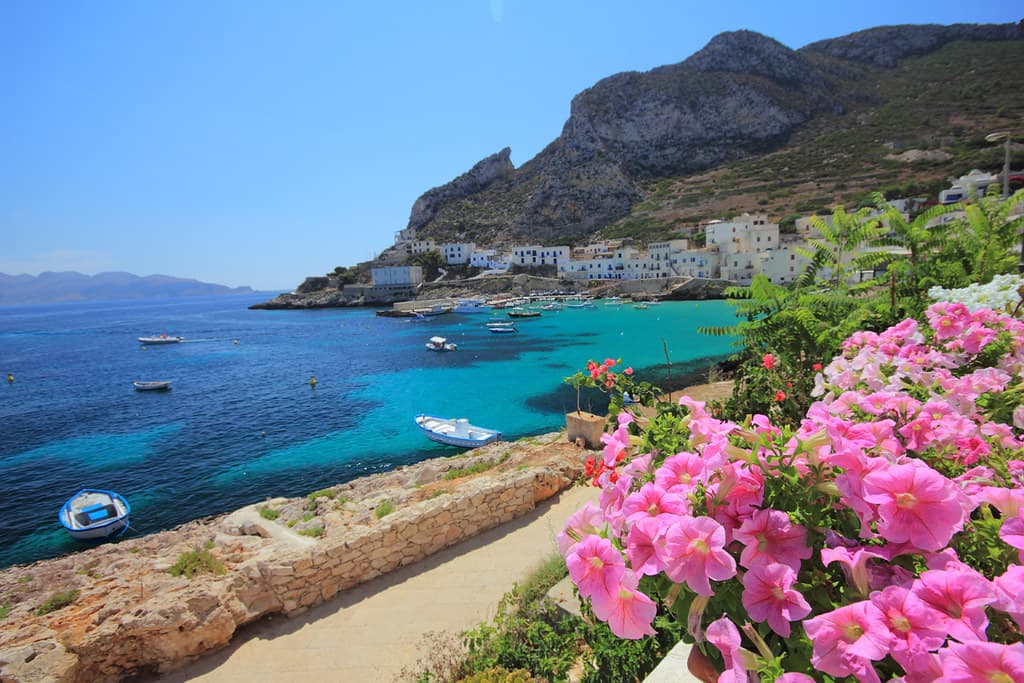
high-angle photography of blue beach
 Credit: Unsplash
brown rock formation on sea during daytime
Ledges from six to fifteen feet
Grouper and octopus below ledges
Rust-streaked volcanic walls at noon
Prime Visitation
Less Crowds
Where it is
Bue Marino Beach
Favignana, Sicily, Italy
37.940000°, 12.317000°
Weather
Loading…
Swell
—
Temp
Warm · Restorative
UV Index
Moderate
Wind
—
Tidal State
Last known
Max Sunlight
—
Ideal Shade
—
May - Sep (Peak)
Jan - Dec (Off-season)
Historical data suggests peak visibility and stable sea temperatures occur during the prime visitation window.
Near Bue Marino Beach
Explore dining, stays, nightlife, and activities near Bue Marino Beach in Favignana, Italy. Every listing below is a real place linked to this beach — open a card for reviews, maps, and booking options.
Food, cafés, and dining close to Bue Marino Beach — curated from places linked to this beach.
Stays and lodging options near Bue Marino Beach for your beach trip.
Activities, tours, and attractions near Bue Marino Beach.
Select a category to load nearby places.
Unlock restaurants, luxury stays and curated maritime experiences within 2km
Swimming at Bue Marino requires confidence and caution due to the rocky environment and deep water. There's no gradual sandy entry; the water deepens quickly from the rocks. The inlet is generally sheltered, but currents can develop, especially when winds increase. No lifeguards are present, and facilities are absent. Wear protective water shoes when entering over sharp volcanic rocks. The dramatic depth and rocky surroundings appeal to experienced swimmers and snorkelers. Check weather conditions before visiting, and avoid swimming alone or in rough seas.
Visit early morning or late afternoon during summer months to avoid peak crowds. May, June, and September offer pleasant weather with significantly fewer visitors compared to July and August. Favignana becomes busy during Italian holidays, so avoid weekends and major holiday periods. Weekday visits provide more tranquility. The beach's rocky nature and lack of facilities naturally limit crowds compared to Favignana's sandy beaches. Early season (May) and late season (October) offer solitude, though water temperatures are cooler. Sunset visits provide beautiful light for photography.
Bue Marino is located on Favignana's northern coast and is accessible by bicycle, scooter, or car from the main town. The island is small and relatively flat, making cycling popular; rental shops are abundant in Favignana town. Follow coastal roads and signs toward the northern coves; parking is available near the access point. A short walk over rocks leads to the inlet. Some boat tours include stops here, offering a scenic water approach. Bicycles are recommended for the environmental benefits and ease of navigating the island's narrow roads.
Bue Marino has no facilities, restaurants, or services, so come prepared with water, snacks, and sun protection. Favignana town, approximately 15-20 minutes away by bike or scooter, offers numerous restaurants, cafes, bars, and shops. Accommodations range from hotels to B&Bs and vacation rentals, all located in or near the town center. Most visitors base themselves in Favignana town and explore different beaches daily. Pack out all trash to preserve the natural environment. The nearest beach clubs with amenities are at other locations around the island.
Bue Marino is renowned for its dramatic rocky inlet and extraordinarily deep blue water, created by the volcanic rock formations and significant depth close to shore. The name means 'sea ox' or refers to monk seals that historically inhabited the area. The surrounding cliffs create a sheltered, intimate atmosphere different from sandy beaches. Snorkeling reveals clear underwater visibility and marine life among the rocks. The geological formations provide excellent photo opportunities. Its hidden location down a rocky path makes it feel more secluded and authentic than more accessible beaches.
Photos