Counting the waves…
Counting the waves…
A refined fusion of water purity, environmental stability, and communal vibrancy for Cala Rossa.
View MethodologyAnalyzed via live sensors and environmental data.
Wave height, wind, and atmospheric stability.
Live footfall and crowd balance metrics.
Community reviews and curated sentiment.
“You descend through terraced cuts in the rock, following paths carved by quarrymen who extracted the island's soft stone for a century. The cove opens suddenly—a flooded excavation where the sea has reclaimed industrial…”
Limited recent visitor reports — live OBI telemetry is your best guide for current conditions.
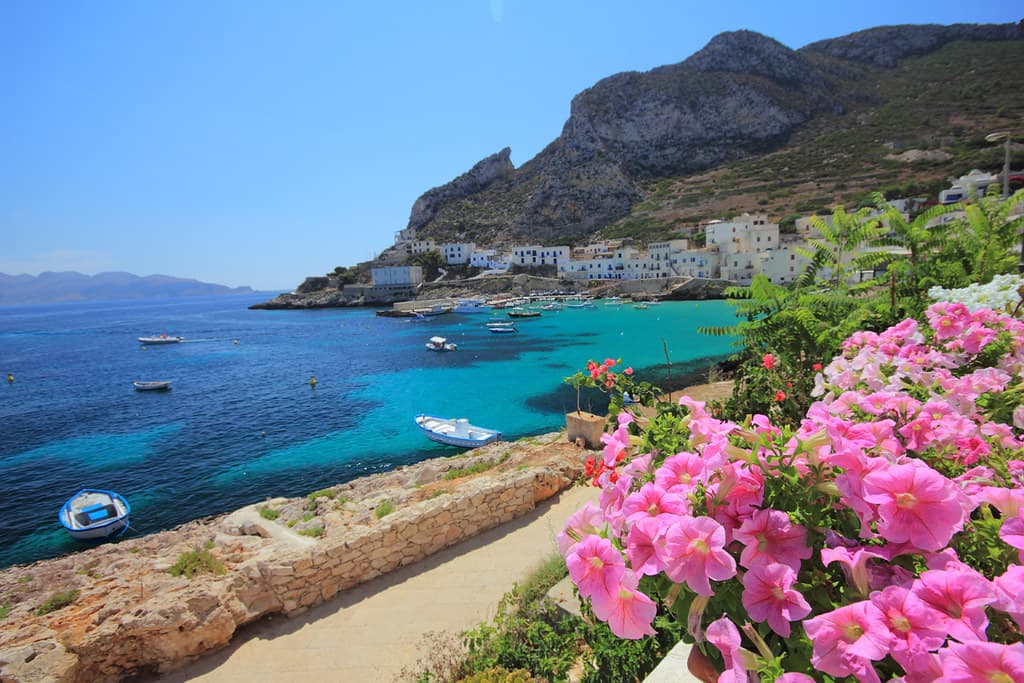
The cliffs glow ochre and burnt sienna, stained by iron oxide that leached from the tufa stone when workers cut into the hillside. These are not natural formations but the walls of an open-pit quarry abandoned in the 1960s, now polished smooth by winter storms. You enter the water from flat ledges that once served as loading platforms for barges carrying stone to North Africa. Below the surface, submerged cutting marks grid the rock like oversized tile work.
The depth drops to forty feet within a few strokes from shore, the bottom a jumble of discarded stone blocks softened by Neptune grass. Visibility routinely exceeds eighty feet on calm days—you can count the spines on sea urchins clustered in shadowed undercuts twenty feet down. The water temperature runs several degrees cooler than the open coast, fed by a freshwater spring that bubbles up along the northern wall, creating shimmering distortions where salt and fresh water meet.
 Credit: Unsplash
high-angle photography of blue beach
 Credit: Unsplash
brown rock formation on sea during daytime
Explore submerged stone cutting marks
Leap from former loading ledges
Iron-stained cliffs at golden hour
Prime Visitation
Best Weather
Where it is
Cala Rossa
Favignana, Sicily, Italy
37.932000°, 12.331000°
Weather
Loading…
Swell
—
Temp
Warm · Restorative
UV Index
Moderate
Wind
—
Tidal State
Last known
Max Sunlight
—
Ideal Shade
—
May - Sep (Peak)
Jan - Dec (Off-season)
Historical data suggests peak visibility and stable sea temperatures occur during the prime visitation window.
Near Cala Rossa
Explore dining, stays, nightlife, and activities near Cala Rossa in Favignana, Italy. Every listing below is a real place linked to this beach — open a card for reviews, maps, and booking options.
Food, cafés, and dining close to Cala Rossa — curated from places linked to this beach.
Stays and lodging options near Cala Rossa for your beach trip.
Bars and evening spots near Cala Rossa.
Activities, tours, and attractions near Cala Rossa.
Select a category to load nearby places.
Unlock restaurants, luxury stays and curated maritime experiences within 2km
Cala Rossa is generally safe for swimming during calm conditions, with crystal-clear shallow waters ideal for snorkeling. However, the cove features rocky areas and no sandy beach, so water shoes are highly recommended. There are no lifeguards on duty, and facilities are minimal. The sea can become choppy during windy periods, particularly with afternoon winds common in summer. Sharp rocks both in the water and along the shoreline require caution when entering and exiting. The exceptional water clarity makes it perfect for observing marine life, but always check weather conditions before visiting.
The best time to visit Cala Rossa is from May to September when weather is warmest and ferries to Favignana run frequently. June and September offer ideal conditions with fewer crowds than peak July-August, when the cove can become very busy. Morning visits are recommended to avoid afternoon winds and secure easier access to the rocky platforms. Arrive early in summer months, as parking and space on the rocks fill quickly. Water temperatures are comfortable from June through September. Spring and early autumn provide pleasant weather with more solitude, though some services may be limited.
Cala Rossa is located on Favignana's eastern coast, approximately 4 kilometers from Favignana town. The most popular way to reach it is by renting a bicycle or scooter from the numerous rental shops near the ferry port—the ride takes about 15-20 minutes on relatively flat roads. You can also drive or take a taxi, with limited parking available near the cove. Some visitors join organized boat tours that stop at Cala Rossa along with other island coves. Walking is possible but takes about an hour in heat with limited shade.
Cala Rossa itself has no restaurants or facilities—it's a natural, undeveloped cove. Visitors should bring water, snacks, and sun protection as there's minimal shade. The nearest dining options are in Favignana town, where you'll find numerous restaurants serving fresh seafood and Sicilian cuisine. Most visitors stay in Favignana town, which offers hotels, B&Bs, vacation rentals, and agriturismos ranging from budget to upscale options. Staying in town is practical as it's the island's hub with all services, markets, and the ferry port within walking distance.
Cala Rossa stands out for its dramatic landscape shaped by former tuff stone quarries, creating unique geometric rock formations in striking reddish-orange hues that contrast beautifully with the turquoise water. These abandoned quarries form natural platforms and pools perfect for sunbathing and accessing the sea. The rocks' distinctive color comes from iron-rich minerals, giving the cove its name "Red Cove." Unlike sandy beaches, this otherworldly setting feels almost sculptural, with carved stone creating private nooks and sheltered swimming areas. The combination of crystal-clear water and unusual geology makes it one of Sicily's most photographed coastal spots.
Photos