Counting the waves…
Counting the waves…
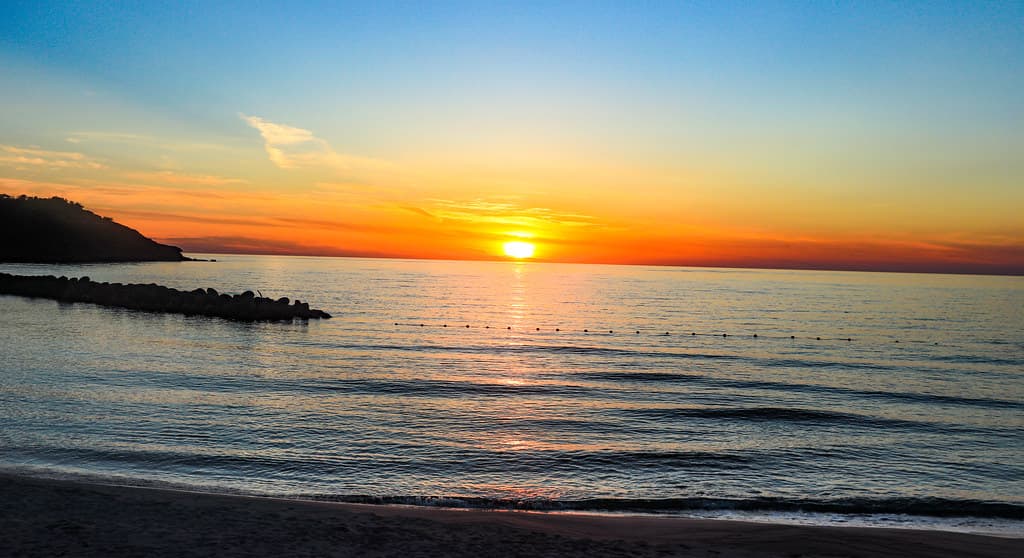
Wakimoto Beach stretches along Oga Peninsula's eastern coast, a protected strip where the sea loses its usual ferocity and families spread picnic blankets beneath gnarled black pines. The beach curves gently, bordered by low volcanic cliffs that shield swimmers from stronger currents found elsewhere on this rugged peninsula. You'll notice the absence of resort trappings—no jet skis, no hawkers—just a car park, changing rooms, and the rhythmic hiss of foam meeting sand. The water warms considerably by June, and you can wade out fifty meters before it reaches your shoulders. Children dig moats while their parents float on rental tubes, and the atmosphere remains decidedly local: bento boxes instead of beach clubs, vinyl sun shelters rather than designer umbrelgas. On clear days, you'll spot fishing boats tracing the horizon, their white wakes bright against slate-blue water. Oga's dramatic coastline—known for its namahage folklore and craggy sea stacks—makes Wakimoto's gentleness feel intentional, as though the peninsula carved out this single cove specifically for swimming. The beach operates year-round, though autumn and spring visitors come for solitude rather than immersion, walking the tideline as cold waves polish beach glass and volcanic pebbles to an oiled sheen. By sunset, the mountains across Oga Bay turn violet, and the temperature drops quickly.
Places, rentals, tours and events within walking and driving distance of Wakimoto Beach.
Photos
Wakimoto Beach is one of Oga Peninsula's most popular family-friendly swimming destinations. The beach features calm, shallow waters ideal for children and less experienced swimmers. Lifeguards are typically on duty during the summer swimming season (July-August). The gentle slope and sandy bottom make it safer than many rocky Akita coastlines. However, always check local conditions before entering the water, as the Sea of Japan can experience sudden changes. Jellyfish may appear in late summer, so inquire locally about current conditions during your visit.
The official swimming season runs from mid-July through mid-August when water temperatures are warmest and facilities are fully operational. During these peak months, expect temperatures around 25-30°C with the most services available. However, Wakimoto Beach offers scenic beauty year-round. Spring and autumn provide pleasant weather for beachcombing and coastal walks without crowds. Winter visits showcase dramatic Sea of Japan storms and potential sunset views, though swimming is not recommended. For the classic beach experience with amenities, plan your visit during the summer season.
Wakimoto Beach is located on the Oga Peninsula, approximately 40 minutes by car from JR Oga Station. If driving, take Route 101 along the coast; free parking lots are available near the beach, though they fill quickly during peak summer weekends. Public transportation is limited, so renting a car from Akita City is recommended for flexibility. Some visitors combine their trip with tours to nearby Namahage Museum. The beach is well-signposted from main roads, making it relatively easy to navigate even for first-time visitors.
During summer, temporary beach huts and vendors sell snacks, drinks, and light meals including yakisoba and shaved ice. Restrooms, changing facilities, and outdoor showers are available in season. For more substantial dining, several seafood restaurants in nearby Oga serve fresh local catches. Accommodation options are limited directly at the beach; most visitors stay in Oga City or make it a day trip from Akita City. Convenience stores for supplies are available within a short drive. Bring your own beach equipment, as rental options are minimal.
Yes, Wakimoto Beach's location on the Oga Peninsula places you in the heart of Namahage country. The famous Namahage Museum and Shinzan Folklore Museum are approximately 15-20 minutes away by car, where you can learn about these traditional demon-like deities that are unique to the Oga region. Many visitors combine a beach day with cultural exploration of these UNESCO-recognized folklore traditions. The Oga Aquarium (GAO) is also nearby. This makes Wakimoto Beach an excellent base for experiencing both coastal recreation and Akita's distinctive cultural heritage.