
Counting the wavesβ¦
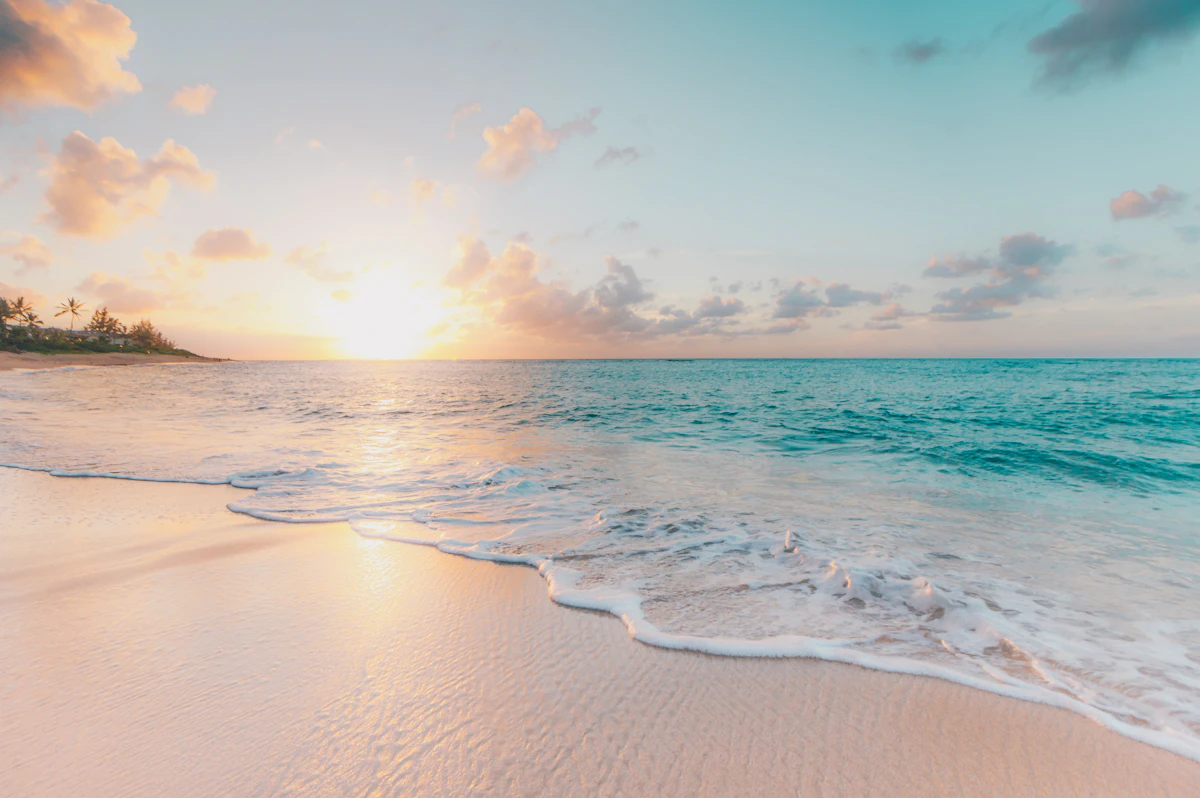
Wakimoto Lagoon sits in a rare pocket of calm along Oga's otherwise wave-battered eastern shore. A slender barrier of sand and stone separates the lagoon from the Sea of Japan, creating a protected basin where the water barely ripples even when whitecaps foam offshore. The beach itself is a mix of fine gray sand and smooth stones worn round by centuries of tide, and the shallow lagoon warms noticeably by midday, making it inviting even when the open sea runs cold. You'll find the rhythm here dictated by fishing boats rather than beach crowds. Local crews motor into the lagoon at dawn, unloading their catch near weathered wooden docks while egrets stalk the shallows for baitfish. The volcanic cliffs ringing the northern edge glow rust-orange in late afternoon light, their layered strata a record of ancient eruptions that shaped this peninsula. Visit during any season and the lagoon reveals different moods: spring brings migratory birds that rest on the sandbars, summer turns the water bath-warm, autumn paints the surrounding hills in copper, and winter offers solitude broken only by the call of black-tailed gulls. There are no vendors, no umbrellas for rentβjust you, the brackish water, and the smell of salt mixing with pine resin from the woods behind the beach.
Places, rentals, tours and events within walking and driving distance of Wakimoto Lagoon Beach.
Photos
Wakimoto Lagoon Beach offers generally calm, shallow lagoon waters that are typically safer than open ocean beaches, making it suitable for families and less confident swimmers. The protected lagoon environment creates milder wave conditions. However, always check local conditions before entering the water, as currents and weather can vary. There may be limited lifeguard services since this is a more secluded beach, so exercise personal caution. Avoid swimming during stormy weather or when warning flags are posted, and supervise children closely near water.
While listed as year-round, the most comfortable swimming season runs from July through August when temperatures are warmest. Spring (May-June) and autumn (September-October) offer pleasant weather for beach walks and scenic photography with fewer crowds, though water may be cool. Winter visits appeal to those seeking solitude and dramatic coastal landscapes, but swimming isn't recommended due to cold temperatures. Summer weekends can be busier with domestic tourists. Check weather forecasts before visiting, as the Oga Peninsula experiences seasonal winds and occasional storms.
Wakimoto Lagoon Beach is located on the Oga Peninsula in Akita Prefecture. The most practical access is by car, as public transportation to this hidden beach is limited. From Oga city center, follow coastal roads toward the western peninsula areas. Given its secluded nature, parking facilities may be basic or informal roadside parking near beach access points. A rental car from Akita city (approximately 1-1.5 hours drive) provides the most flexibility. GPS coordinates or a Japanese navigation app will help locate this lesser-known destination.
As a hidden, less developed beach, Wakimoto Lagoon has minimal on-site facilities. Don't expect beach cafes, restrooms, or changing rooms directly at the beach. Visitors should bring their own food, drinks, and supplies. The nearest restaurants and convenience stores are likely in Oga town or nearby coastal settlements. For accommodation, consider staying in Oga city or at ryokan (traditional inns) elsewhere on the peninsula, which offer local seafood and hot spring baths. Plan ahead and come prepared for a more rustic beach experience.
Wakimoto Lagoon Beach features distinctive lagoon waters formed by the coastal geography of the Oga Peninsula, creating a sheltered swimming environment separate from the rough Sea of Japan. This lagoon formation produces exceptionally calm, clear waters with unique ecological characteristics different from typical open beaches. The scenic setting combines tranquil turquoise shallows with dramatic coastal rock formations typical of the rugged Oga coastline. The lagoon's protected nature makes it special for peaceful swimming and nature observation, offering a serene alternative to the region's more exposed beaches.