Counting the waves…
Counting the waves…
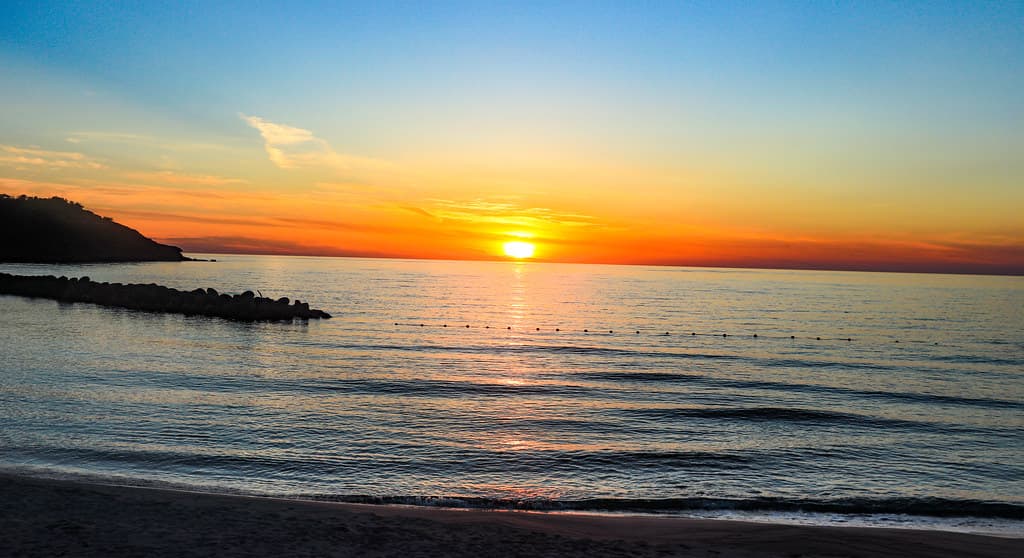
You'll find Wakimoto North Beach where Oga Peninsula's spine slopes gently toward the sea, a shoreline that refuses to be rushed. The sand extends farther than most beaches along this craggy stretch of Akita's coast, giving you room to walk until other beachgoers become silhouettes. Black pines lean inland, permanently shaped by winter winds that sweep across from Siberia, and the beach takes on different moods with the seasons—gentle lapping in summer, fierce whitecaps when autumn storms roll in. Local families spread picnic blankets near the access points on weekends, while fishermen cast lines from the northern rocks where the beach curves into rougher territory. The water temperature climbs to swimmable levels by late June, though it never loses its bracing edge. You'll notice the lack of commercial clutter: no beach clubs, no umbrella rentals, just a functional parking area and the kind of simplicity that's become rare along Japan's more famous coasts. The extended shoreline means you can claim your own patch of sand even during Obon holidays, when most Japanese beaches turn into shoulder-to-shoulder affairs. Bring what you need in a cooler—the nearest convenience store sits a ten-minute drive back toward town—and settle in for the kind of afternoon where the only agenda is watching fishing boats trace slow lines across the bay.
Places, rentals, tours and events within walking and driving distance of Wakimoto North Beach.
Photos
Wakimoto North Beach offers generally calm waters suitable for swimming during summer months, making it family-friendly. However, always check local conditions before entering the water, as the Sea of Japan can experience sudden changes in currents and waves. There are no lifeguards on duty year-round, so swim at your own risk and supervise children closely. The extended shoreline provides ample space to find calmer spots. Avoid swimming during rough weather or high winds, which are more common in autumn and winter.
While accessible year-round, late June through August offers the warmest weather for swimming and beach activities, with temperatures reaching 25-28°C. Spring (April-May) and autumn (September-October) provide pleasant conditions for scenic walks along the extended shoreline without summer crowds. Winter visits offer dramatic coastal scenery and potential sunset views, though temperatures drop significantly and swimming isn't advisable. July and August are peak season for families. Consider visiting during weekdays for a quieter experience, especially if you're interested in photography or peaceful beach walks.
Wakimoto North Beach is located on the Oga Peninsula in Akita Prefecture. By car, it's approximately 45-60 minutes from central Akita City via Route 101. The beach has parking facilities available, though capacity and fees may vary seasonally. Public transportation is limited; renting a car is recommended for visiting beaches on the Oga Peninsula. The nearest train station is Oga Station on the JR Oga Line, but you'll need additional transportation from there. GPS navigation works well in this area for driving directions.
Dining options directly at Wakimoto North Beach are limited, so plan accordingly. The broader Oga area offers seafood restaurants and local eateries, particularly in nearby Oga City and coastal towns, where you can enjoy fresh catches from the Sea of Japan. For accommodations, consider staying in Oga City or at coastal inns and guesthouses within the peninsula, offering traditional Japanese hospitality. Some ryokan feature hot springs with ocean views. During peak summer season, advance booking is recommended as options fill quickly.
The extended shoreline at Wakimoto North Beach provides expansive views and ample space for long coastal walks, making it ideal for families who want room to spread out and explore. Unlike crowded beaches, the lengthy stretch means you can often find secluded spots even during busier periods. The shoreline offers excellent opportunities for beachcombing, photography of coastal landscapes, and watching dramatic Sea of Japan sunsets. The openness also creates impressive vistas of the Oga Peninsula's rugged coastline, particularly scenic during golden hour.