Counting the waves…
Counting the waves…
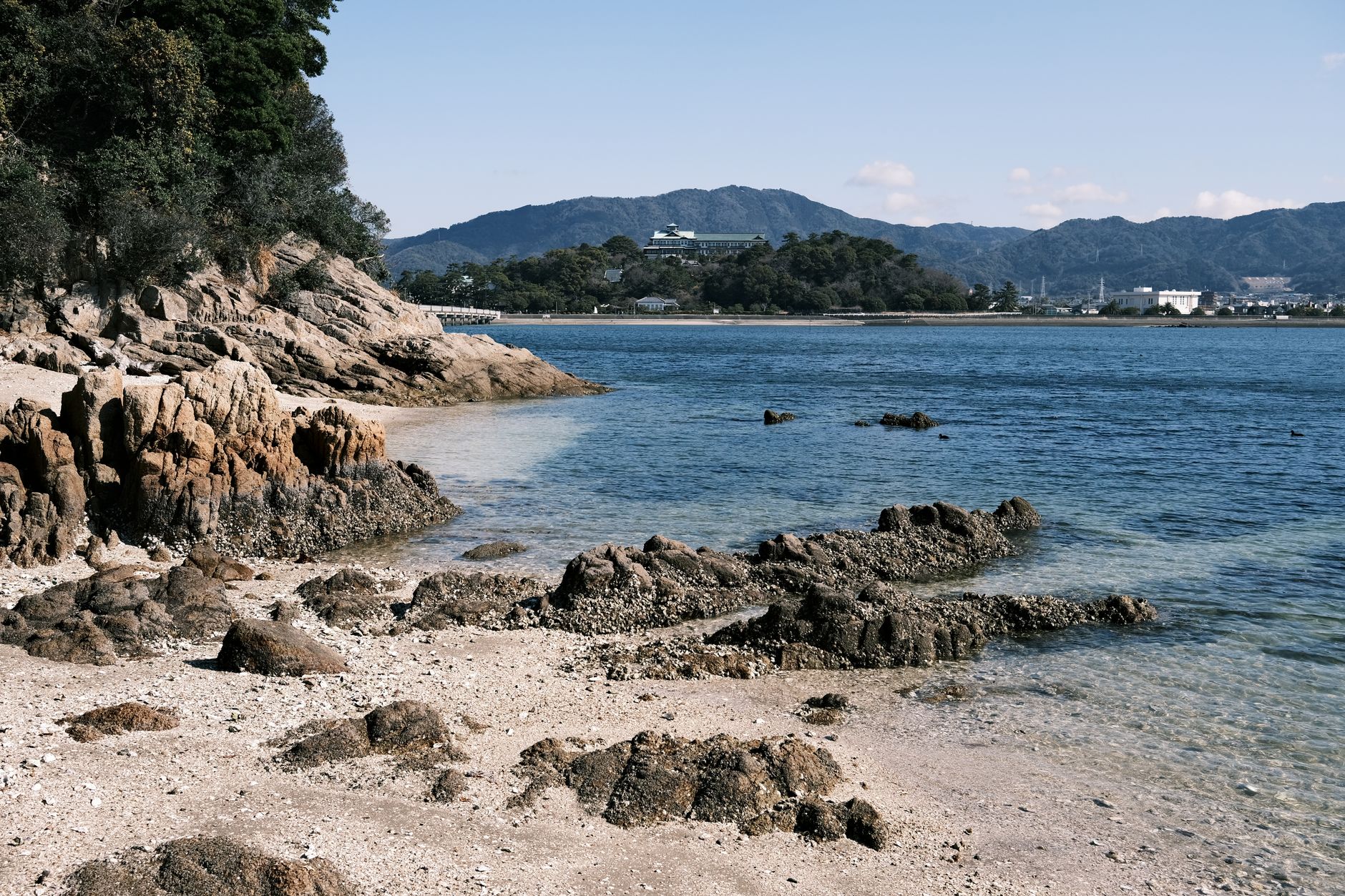
The road to Wakimoto narrows as you leave behind the tourist bustle of Oga's western shores, winding through cedar groves until asphalt gives way to gravel. Below, the beach spreads in a tight crescent, its shoreline composed of smooth river stones that clatter with each retreating wave. Black basalt columns jut from the tide line like the exposed ribs of an ancient creature, testament to the peninsula's volcanic birth. You descend a rutted path to the water's edge, where the air tastes of brine and kelp. Tide pools trap miniature ecosystems—urchins, anemones, hermit crabs navigating their shelled cities. The sea churns in shades of indigo and pewter, its surface ruffled by the same winds that bend the shore pines into sculptural arcs. In autumn, the cliffs flush rust and amber; in winter, spray freezes into delicate lattices on the rocks. No vendors interrupt the rhythm of surf on stone. No umbrellas dot the strand. Wakimoto demands nothing but your attention to the elemental exchange between land and water, offering in return a privacy that feels increasingly rare along Japan's well-traveled coasts. Bring what you need; the beach provides only its untouched self.
Places, rentals, tours and events within walking and driving distance of Wakimoto Remote Beach.
Photos
Swimming conditions at Wakimoto Remote Beach vary considerably with weather and season. As an undisturbed, remote beach without lifeguards or safety infrastructure, swimmers should exercise caution. The Sea of Japan can produce strong currents and unpredictable waves, particularly during autumn and winter months. Always check local weather conditions before visiting. The beach's remote nature means emergency services would take longer to arrive. If you plan to swim, go during calm summer days, never swim alone, and stay close to shore.
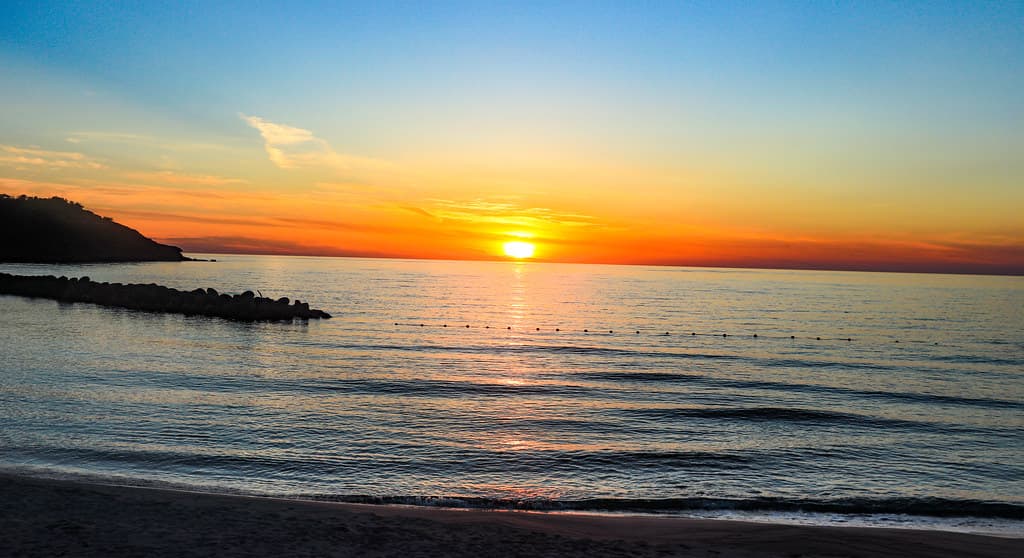
While accessible year-round, summer months (June-August) offer the most pleasant weather with temperatures ranging 20-30°C and calmer seas. Spring and autumn provide dramatic scenery with fewer visitors, though waters are cooler and winds stronger. Winter visits reveal striking coastal landscapes and powerful waves, but require warm clothing and careful navigation of potentially icy paths. For swimming and beach activities, July and August are ideal. Sunrise and sunset visits are particularly scenic throughout the year due to the beach's excellent coastal views.
Wakimoto Remote Beach is best reached by car, located along Oga Peninsula's western coast. From Oga city center, follow coastal roads toward the Monzen area; the journey takes approximately 30-40 minutes. Parking facilities are limited—expect small informal parking areas rather than designated lots. Public transportation options are sparse, making rental cars the most practical choice. Roads can be narrow and winding in places. GPS coordinates or a detailed map are recommended, as English signage may be limited in this remote area.
As a remote, undisturbed beach, Wakimoto has minimal on-site facilities—no restaurants, shops, or public restrooms directly at the beach. Visitors should bring food, water, and supplies from Oga city or nearby towns. The closest accommodations and dining options are in Monzen or central Oga, roughly 20-30 minutes away by car. Basic facilities may be found in small fishing villages along the peninsula. Plan accordingly for a self-sufficient beach visit, including bringing portable shade and removing all trash with you.
Wakimoto's defining characteristic is its undisturbed, pristine nature—lacking commercial development that marks many Japanese beaches. The dramatic rocky coastline, rugged cliffs, and raw Sea of Japan scenery create a wild, untouched atmosphere rare in accessible coastal areas. Its location on Oga Peninsula offers unique geological formations and exceptional sunset views. The beach remains relatively unknown even among domestic travelers, providing genuine solitude. This authentic, uncommercialized experience appeals to photographers, nature enthusiasts, and those seeking peaceful coastal scenery away from tourist crowds.