Counting the waves…
Counting the waves…
A refined fusion of water purity, environmental stability, and communal vibrancy for Ajigasawa Beach.
View MethodologyAnalyzed via live sensors and environmental data.
Wave height, wind, and atmospheric stability.
Live footfall and crowd balance metrics.
Community reviews and curated sentiment.
“Volcanic sand stretches beneath your feet as you watch fishing boats cut across steel-gray swells. The Sea of Japan crashes louder here than on the Pacific side, and the air carries salt mixed with grilled squid from…”
Higher weekend density may affect water purity and crowd scores temporarily.
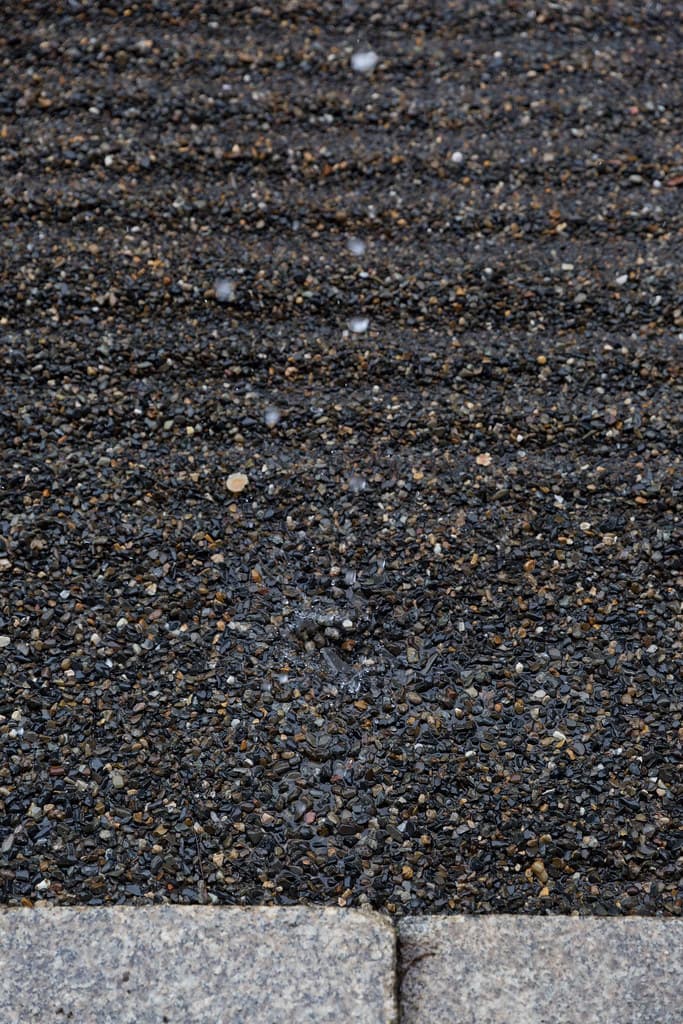
Ajigasawa Beach unfolds along the western edge of Aomori Prefecture, where the Tsugaru coastline trades the tourist gloss of southern beaches for something more utilitarian and honest. Dark sand, heavy with iron and sediment from nearby Mount Iwaki, absorbs the sun's heat by midday. The Sea of Japan here is moody—calm enough for families to wade on summer mornings, then churning with whitecaps by afternoon when the offshore winds pick up.
The town of Ajigasawa built its livelihood on fishing, not tourism, and the beach reflects that pragmatism. Concrete tetrapods guard sections of the shore against winter storms. Local families claim their spots early on weekends, setting up vinyl tarps and coolers filled with onigiri and barley tea. You'll hear more Tsugaru dialect than English, and the only music is the rhythmic crash of waves and the occasional loudspeaker from a passing fish truck.
 Credit: Unsplash
a group of people standing on top of a sandy beach
 Credit: Unsplash
A view of a beach from a hill
Volcanic beach, gentle summer shallows
Boardwalk vendors, caught that morning
Inland volcano frames the shoreline
Where it is
Ajigasawa Beach
Ajigasawa, Aomori, Japan
40.781200°, 140.030600°
Weather
Loading…
Swell
—
Temp
Warm · Restorative
UV Index
Moderate
Wind
—
Tidal State
Last known
Max Sunlight
—
Ideal Shade
—
May - Sep (Peak)
Jan - Dec (Off-season)
Historical data suggests peak visibility and stable sea temperatures occur during the prime visitation window.
Select a category to load nearby places.
Unlock restaurants, luxury stays and curated maritime experiences within 2km
Ajigasawa Beach is generally safe for swimming during summer months when lifeguards are typically on duty. The beach faces the Sea of Japan, which can have moderate waves and currents, so swimmers should exercise caution and follow posted warnings. Water conditions vary by season, with calmer seas in summer and rougher waters during autumn and winter. Always check local conditions before entering the water, and supervise children closely. The gradual slope makes it relatively family-friendly, but be aware of changing tides and weather patterns common to the Sea of Japan coast.
The peak season for Ajigasawa Beach is July through August when temperatures are warmest and swimming is most comfortable. However, the beach is accessible year-round for walking and enjoying coastal scenery. Summer offers the best weather for beach activities, with temperatures ranging from 20-25°C. Spring and autumn provide quieter visits with cooler temperatures, ideal for beachcombing and photography. Winter can be harsh with cold winds and rough seas, but offers dramatic coastal views. If you're planning to swim, visit between late June and early September for the most pleasant conditions.
Ajigasawa Beach is located in Ajigasawa town in western Aomori Prefecture. From Hirosaki, take the JR Gonō Line to Ajigasawa Station, then it's approximately a 10-minute walk to the beach. If driving, the beach is accessible via Route 101 along the coast. Parking is available near the beach, with designated lots that typically have space during off-peak seasons. During summer weekends and holidays, parking can fill up quickly, so arriving early is recommended. The beach's urban location makes it one of the most accessible coastal areas in the region.
Being in an urban setting, Ajigasawa Beach has convenient access to local restaurants, convenience stores, and shops within walking distance in Ajigasawa town. The area is known for fresh seafood, particularly squid and other Sea of Japan catches. Beach houses and seasonal food stalls may operate during summer months. Basic facilities like public restrooms and changing areas are typically available at the beach. For lodging, local minshuku (guesthouses) and small hotels can be found in town. Vending machines and convenience stores provide easy access to drinks and snacks year-round.
Ajigasawa Beach is notable for its stunning sunsets over the Sea of Japan, which draw photographers and visitors throughout the year. The beach serves as a gateway to exploring Aomori's western coastline and is part of the scenic Tsugaru region. The area has cultural significance tied to local fishing traditions and is known for views of nearby mountains. During certain times of year, visitors can experience the dramatic contrast between the sea and mountainous backdrop. The beach's accessibility makes it a popular spot for locals and visitors seeking a straightforward coastal experience in Aomori Prefecture.
Photos